Magnetic Circuit Building Sets for Kids Ages 9–12
A parent-friendly guide to magnetic circuit building sets for ages 9–12. Learn what to look for, age fit, safety notes, and the types that best teach hands-on electronics through snap-together play.
Compare prices and availability
Check current prices and availability for this guide on eBay.
As an eBay Partner, we may be compensated if you make a purchase.
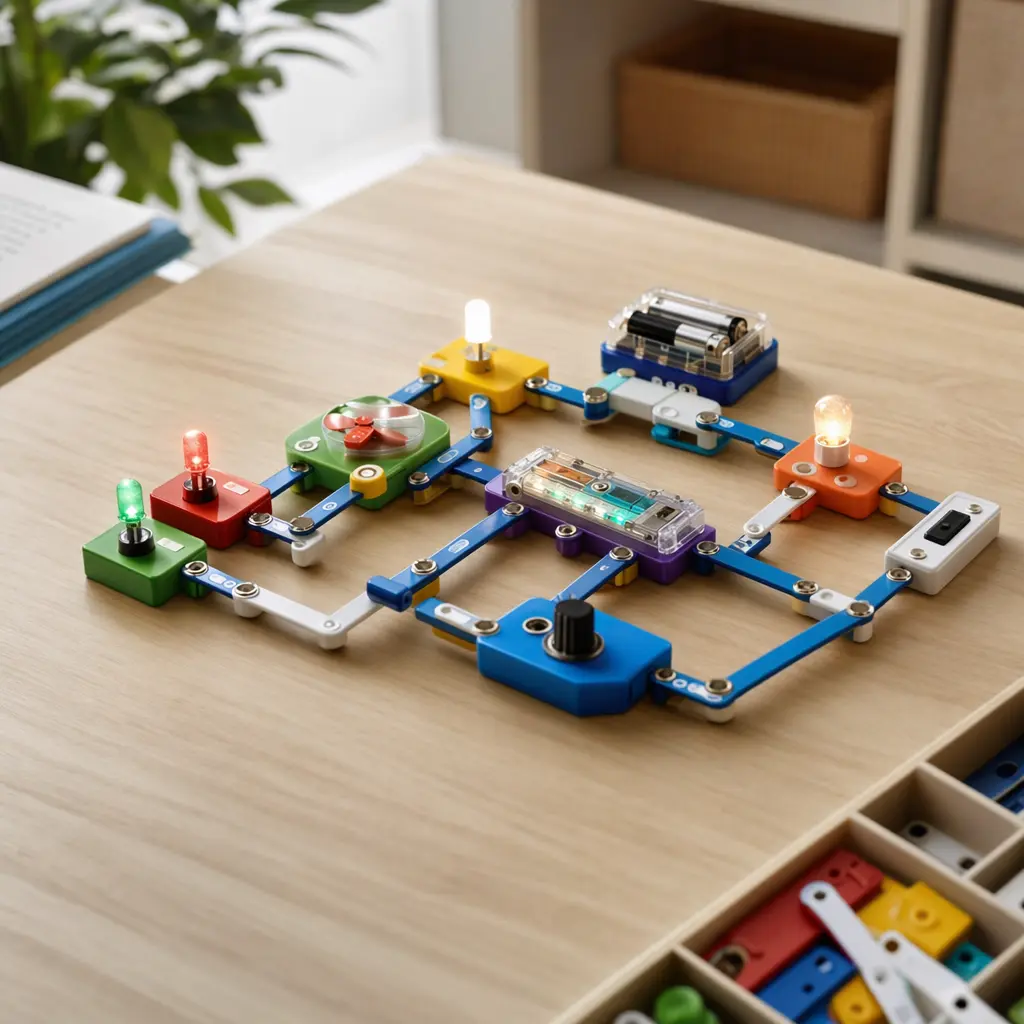
Magnetic circuit building sets are hands-on electronics kits designed to help kids ages 9–12 understand how real circuits work. Using snap-together, magnetized pieces, these sets turn abstract ideas like current, switches, and resistance into something kids can see and control. For parents, they offer a screen-free way to build STEM skills through open-ended play.
What to look for
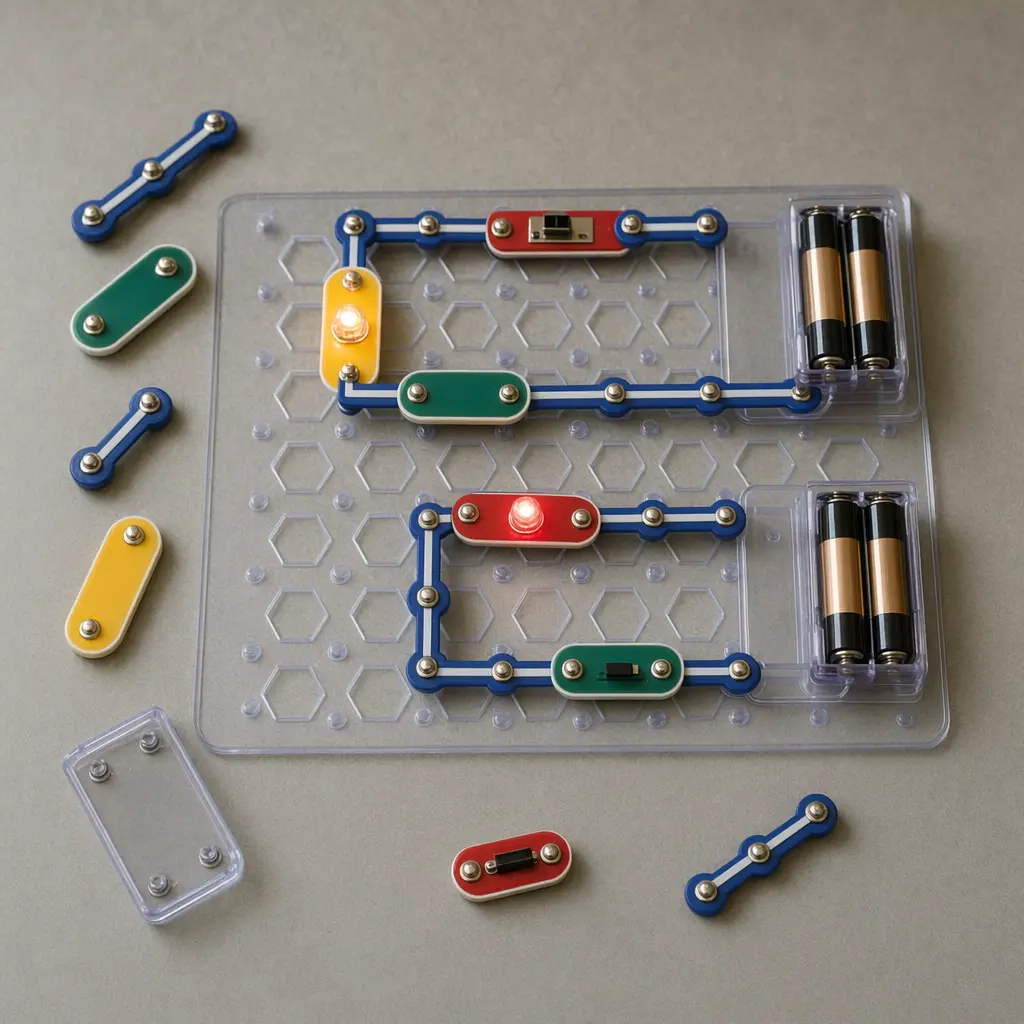
Not all magnetic circuit sets are the same. Some focus on basic cause-and-effect, while others introduce more advanced electronics ideas. For kids in the 9–12 range, look for sets that balance ease of use with room to grow as skills improve.
- Strong, well-aligned magnets that hold pieces together during play
- Clearly marked components such as power sources, switches, lights, and motors
- Expandable designs that allow kids to build multiple circuit layouts
- Instruction guides with challenges that progress from simple to complex
- Durable plastic housings that protect electronic parts
Age suitability
Magnetic circuit building sets aimed at ages 9–12 usually assume basic reading skills and an ability to follow multi-step instructions. Younger kids may enjoy snapping pieces together, but older elementary and middle school children are better able to grasp concepts like closed circuits, polarity, and troubleshooting when something doesn’t work as expected.
Standout categories or types
Magnetic circuit sets generally fall into a few broad categories. Understanding these can help you match a kit to your child’s interests and learning goals.
- Introductory circuit kits that focus on lights, switches, and simple power flow
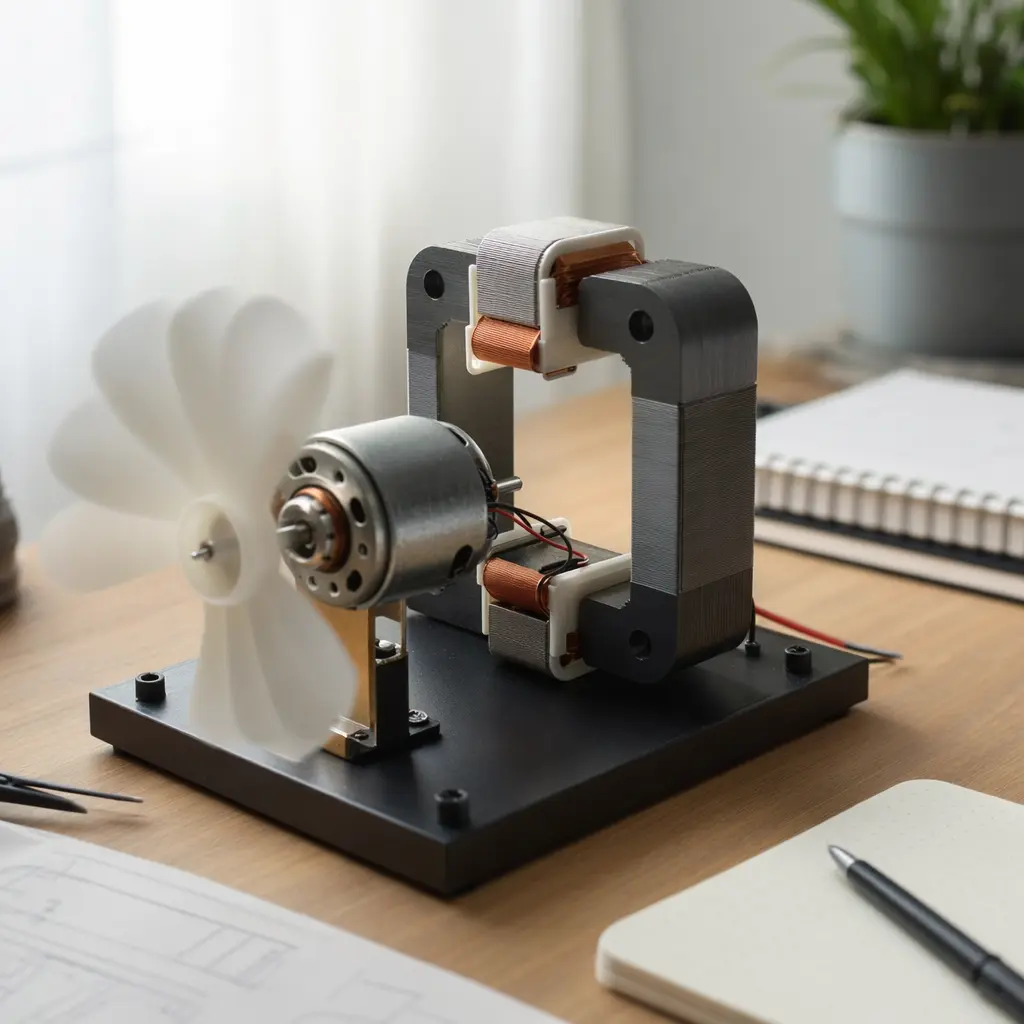
- Motion and motor kits that add spinning parts, fans, or moving elements
- Logic-based sets that introduce sensors, alarms, or simple automation
- Expansion-focused kits designed to combine with other STEM building systems
Some families prefer sets that emphasize free building, while others like challenge-based kits with step-by-step projects. Both approaches can be effective; the best choice depends on whether your child enjoys experimenting independently or following guided activities.
Frequently asked questions
Do magnetic circuit sets really teach electronics?
Yes. By snapping parts together and seeing immediate results, kids learn how components interact. Concepts like completing a circuit or reversing polarity become visual and hands-on rather than theoretical.
Are these sets better than traditional wire-based kits?
Magnetic sets are generally easier to use and reduce frustration from loose wires. Traditional kits can offer more realism, but magnetic designs are often more approachable for beginners in this age group.
How long do kids typically play with them?
Playtime varies by child, but sets with multiple challenges or expansion options tend to stay interesting longer. Many kids return to them repeatedly as they think up new circuit ideas.
Do they require extra tools or supplies?
Most magnetic circuit sets are self-contained. Some may need batteries, which are usually standard sizes and easy to replace.
Magnetic circuit building sets can be a smart choice for families looking to encourage curiosity about how things work. With the right level of challenge and good safety habits, they offer a practical introduction to electronics that feels more like play than a lesson.