Bananagrams Duel and the Rise of Faster Word Games
Bananagrams Duel trims the original word-building formula into a fast two-player contest, showing how modern tabletop games are leaning toward shorter rounds, portability, and quick rematches.
Compare prices and availability
Check current prices and availability for this guide on eBay.
As an eBay Partner, we may be compensated if you make a purchase.
Bananagrams Duel arrived at a moment when tabletop gaming was already shifting toward shorter play sessions and smaller groups. The original Bananagrams built its reputation on quick-thinking wordplay without a board, but the Duel version tightens the format even further for head-to-head competition. Instead of recreating the large-group energy of classic crossword-style games, it leans into speed, portability, and the kind of rapid rematch rhythm that works equally well at a kitchen table, in a café, or while traveling. That smaller focus is a big reason the game has managed to feel new rather than simply reduced.
Where it came from
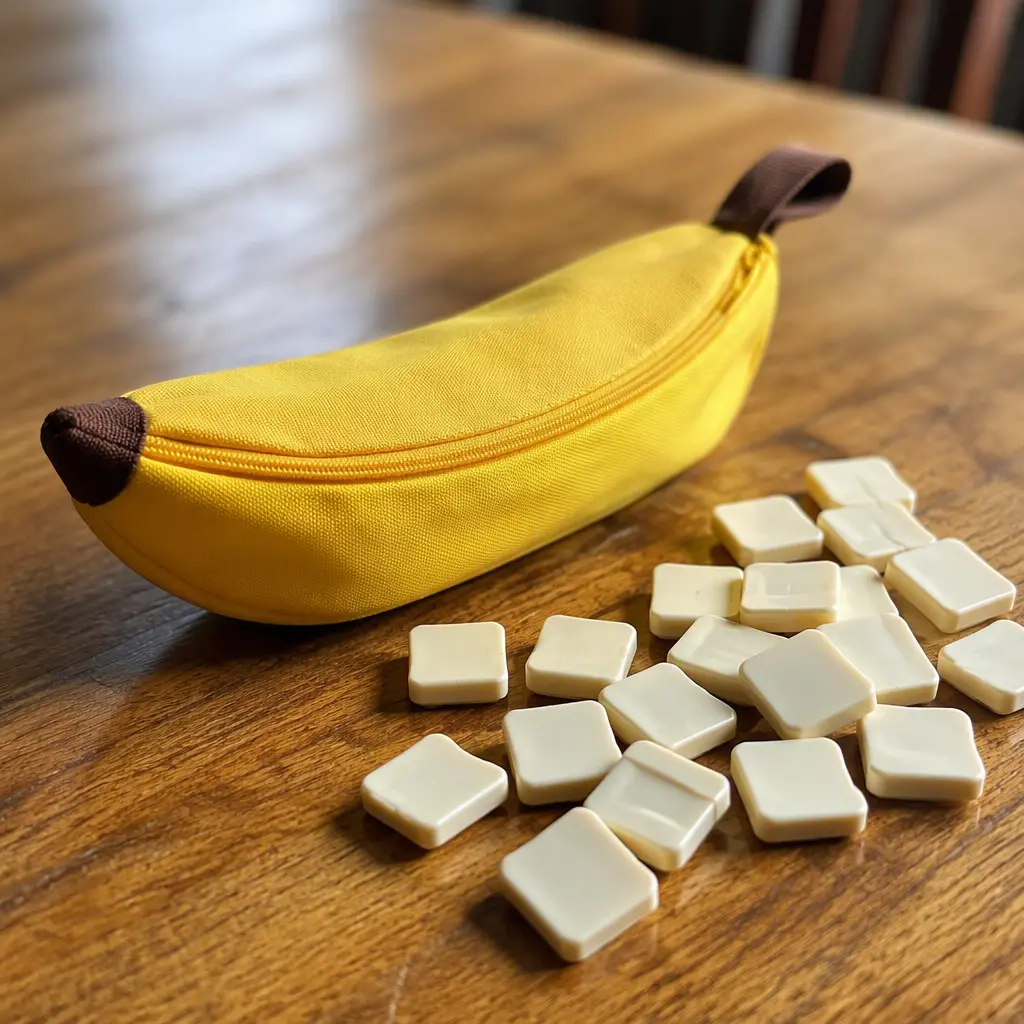
The original Bananagrams launched in the mid-2000s and quickly stood out because it removed several barriers common to traditional word games. There was no board to unfold, no score sheet to maintain, and no waiting for turns. Players simply grabbed letter tiles and built their own connected word grids as fast as possible. The banana-shaped pouch became part of the toy's identity, helping the game feel casual and portable rather than formal or academic.
Bananagrams Duel, introduced in 2023, reflects how tabletop publishers now think about modern family gaming habits. Many households and friend groups play in pairs more often than in large gatherings, especially during travel, weeknight downtime, or quick breaks between activities. By tailoring the game specifically for two people, the designers could create tighter pacing and more direct competition while keeping the recognizable tile-based format that made the original game successful.
Why it works
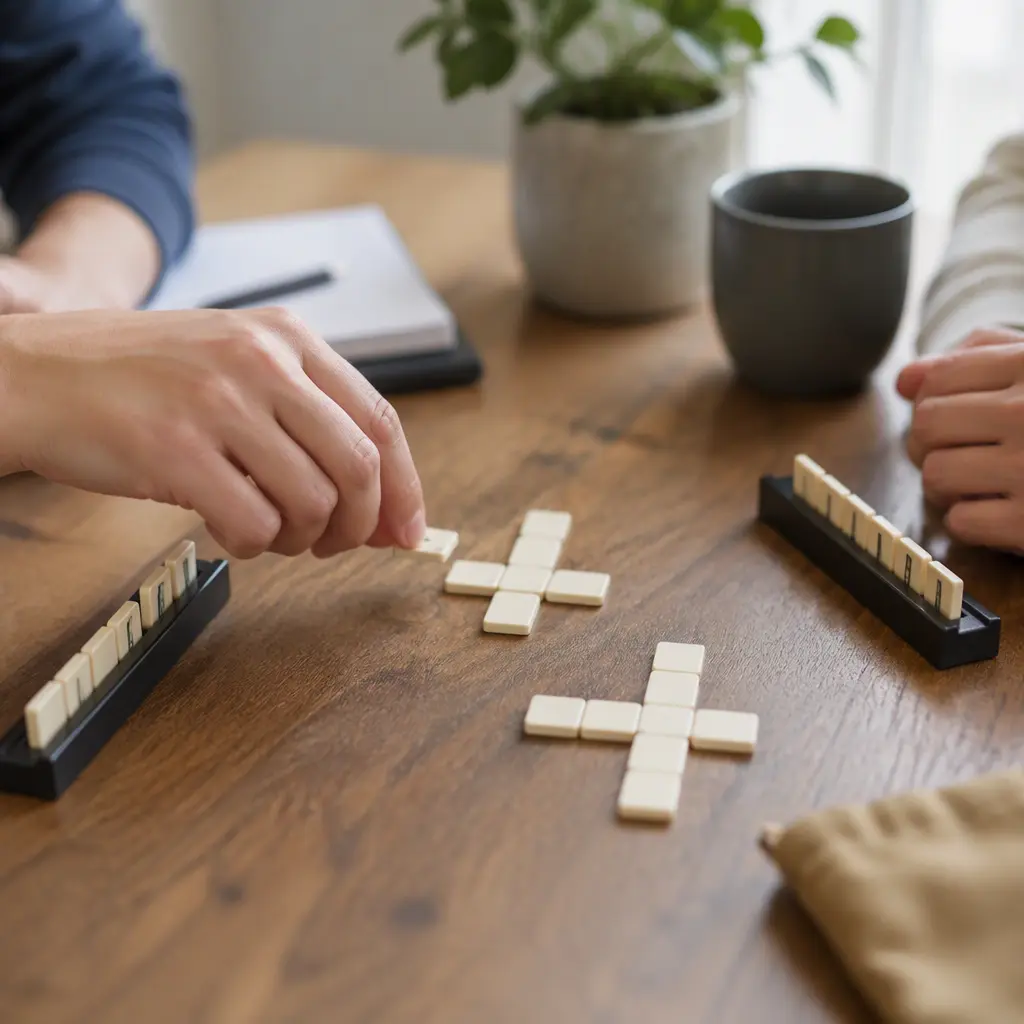
The strongest part of Bananagrams Duel is how little setup stands between players and the game itself. A round begins quickly, and the pressure comes from constantly reorganizing words under time constraints rather than waiting through long turns. That immediacy gives the game broad appeal. Younger players can focus on spelling and pattern recognition, while adults often enjoy the race-like tension and strategic rearranging that develops as the tile pool changes.
Unlike some word games that reward deep vocabulary above all else, Bananagrams Duel also rewards flexibility. Players frequently break apart existing words and rebuild sections of their grid to adapt to awkward letters. That creates a more kinetic feel than traditional crossword play. The game becomes less about crafting perfect words and more about maintaining momentum under pressure.
- Fast setup and short rounds encourage repeat play
- Portable format fits travel and small spaces
- Simultaneous play removes long waits between turns
- Letter-tile gameplay mixes vocabulary with pattern solving
- Two-player structure creates direct competition without needing teams
Who it's for
Bananagrams Duel works best for players who already enjoy language games but want something lighter and quicker than a traditional crossword-style experience. Older children can treat it as a spelling challenge, while teens and adults often approach it more competitively. Because rounds are brief, the game also suits players with shorter attention spans or households where finding time for a longer board game can be difficult. Adults who grew up with classic word games may appreciate how the Duel version keeps the familiar tile-based concept while adapting it to contemporary gaming habits focused on portability and replayability.
Variants and what to look for today
The broader Bananagrams family now includes several variations designed around different age groups and play styles. Some versions simplify spelling for younger children, while others add thematic twists or alternate rules. Duel stands out because it narrows the experience instead of expanding it. That focus makes it particularly appealing for couples, roommates, and families with only two active players at a given moment.
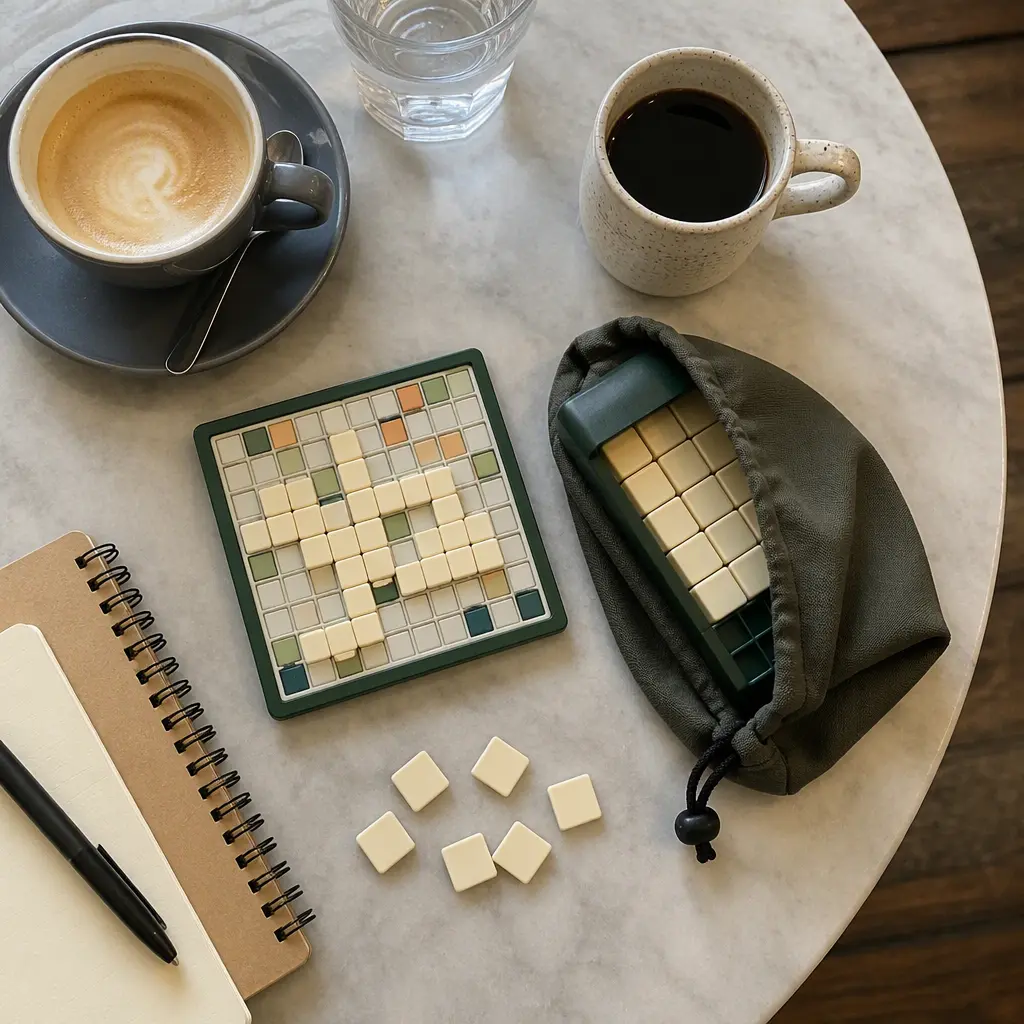
When shopping today, buyers will mostly encounter compact travel-friendly editions and mainstream retail versions. The main thing to watch for is tile quality. Good sets use durable, easy-to-read letter tiles that stay consistent after repeated handling. Generic imitations sometimes use thinner tiles or lower-contrast lettering that can slow gameplay and reduce readability under indoor lighting.
- Look for sturdy letter tiles with clear printing
- Compact storage pouches help keep pieces organized
- Travel-oriented editions are often easier to transport
- Family-focused versions may include simpler rules for younger players
- Avoid poorly made copies with lightweight or uneven tiles
Frequently asked questions
Is Bananagrams Duel very different from the original game?
The core idea remains the same: players build connected word grids from letter tiles as quickly as possible. The main difference is pacing and scale. Duel is specifically balanced for two players, creating more direct head-to-head tension and faster rounds.
Can younger children play it?
Children with basic reading and spelling skills can participate, especially with relaxed house rules. Competitive speed play tends to favor older kids and adults, but families often adapt the pace to make rounds more approachable.
Does it work well as a travel game?
Yes. Portability is one of the strongest aspects of the Bananagrams line. The compact pouch and lack of a board make the game practical for vacations, waiting rooms, cafés, and small tables where larger games would be inconvenient.
Why do word games remain popular in the digital era?
Physical word games offer a tactile experience that apps do not fully replace. Rearranging tiles by hand, reacting in real time, and sharing the same play space creates a social rhythm that still appeals to families and casual players.
Bananagrams Duel shows how long-running game brands can stay relevant without abandoning what made them recognizable in the first place. Rather than adding complicated mechanics or heavy strategy layers, it refines the original formula into something faster and more focused. That approach mirrors a larger trend across contemporary tabletop gaming: smaller boxes, quicker sessions, and games that are easy to replay at a moment’s notice. For players who enjoy word puzzles but want less downtime and more momentum, the Duel format fits comfortably into modern gaming habits.