Big Wheels Monster Trucks and the Rise of Oversized Preschool Ride-Ons
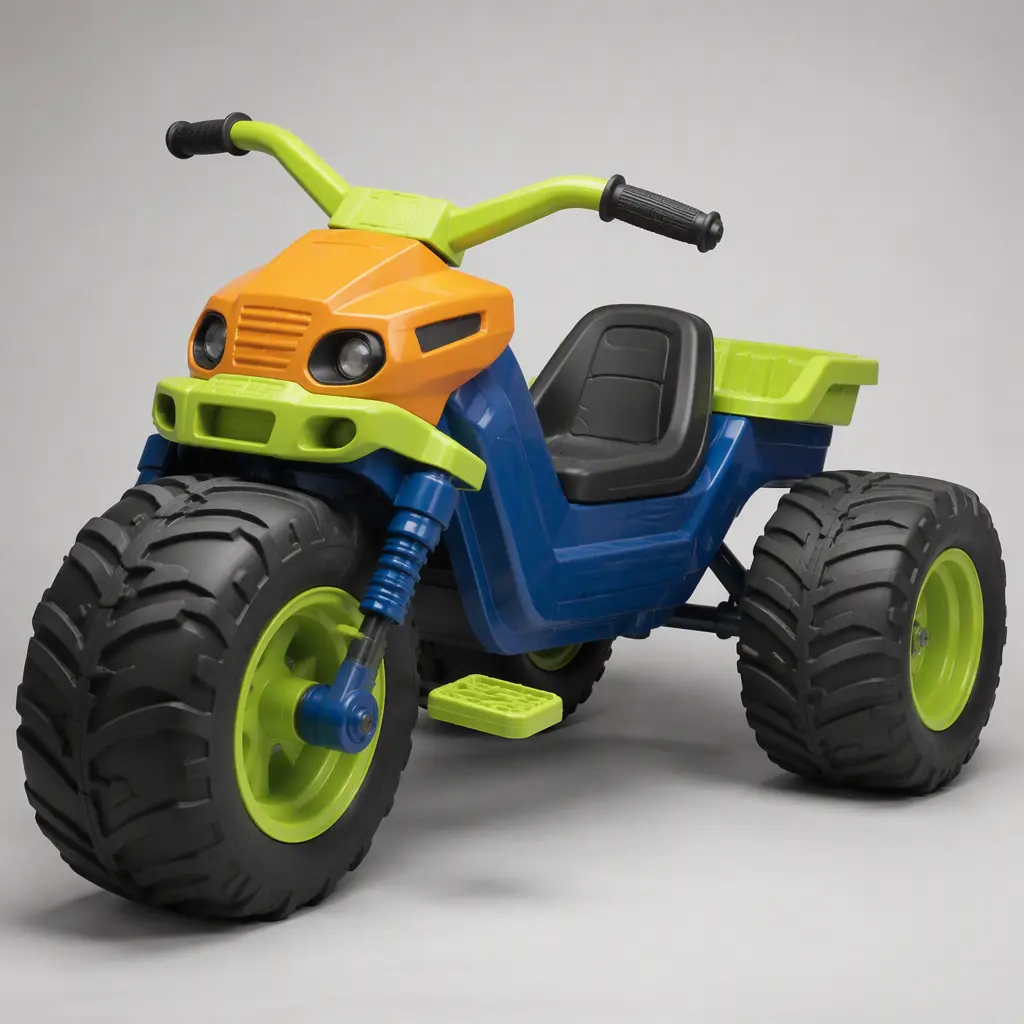
Big Wheels Monster Trucks turned the familiar ride-on tricycle into a chunky, monster-truck-inspired toy built for younger kids who wanted bigger wheels, louder styling, and outdoor play with attitude.
Compare prices and availability
Check current prices and availability for this guide on eBay.
As an eBay Partner, we may be compensated if you make a purchase.
Big Wheels Monster Trucks arrived at a moment when preschool ride-on toys were becoming less about simple transportation and more about fantasy play. Traditional tricycles and low-slung plastic riders had already been staples for decades, but oversized wheels, lifted frames, and monster-truck styling brought a different kind of energy to the category. The appeal was easy to understand: younger children could imagine themselves driving the same towering machines they saw at arena shows, toy aisles, and on television, while still using a toy scaled safely for sidewalks, driveways, and backyard play.
Where it came from
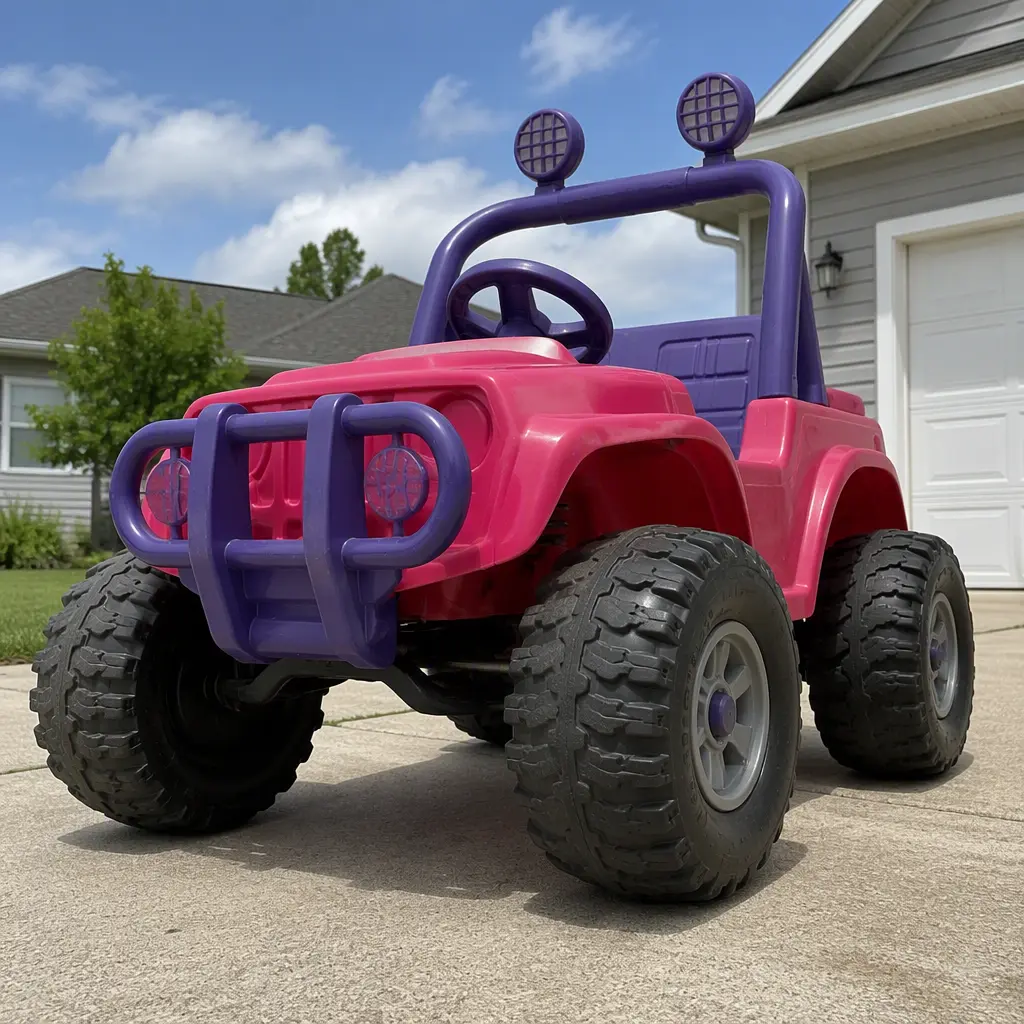
The broader Big Wheel category dates back to the late 1960s and became one of the defining ride-on toys of the 1970s thanks to its oversized front wheel and low center of gravity. By the 2000s, toy makers were experimenting with more aggressive styling across children's products, borrowing visual cues from BMX bikes, motocross, and monster trucks. Around 2007, monster-truck-themed ride-ons started appearing more prominently in stores as manufacturers recognized that preschoolers were drawn to exaggerated proportions and vehicle fantasy.
These toys were designed less as realistic cycling tools and more as confidence-building outdoor play vehicles. The oversized wheels made small riders feel powerful and adventurous, while the stable plastic construction helped younger children develop steering, pedaling, and coordination skills. The monster-truck influence also reflected a larger trend in toy design during the 2000s: giving preschool products the same bold visual language seen in entertainment and sports culture, but adapted for younger ages.
Why it works
The design succeeds because it translates the visual excitement of monster trucks into something children can physically control. Large wheels instantly change the toy's proportions, making it appear tougher and more dramatic than a standard tricycle. Wide wheelbases and low seating positions also create a sense of stability that can help less experienced riders feel comfortable. Even children who are still learning to pedal often enjoy simply pushing the toy with their feet and steering around obstacles.
Another important factor is the connection between motion and imagination. Preschool ride-ons work best when they encourage pretend play alongside physical activity. Monster-truck styling gives children a ready-made story: climbing imaginary hills, crushing pretend obstacles, or racing around the yard. The toy becomes more than a vehicle and starts functioning as a prop for active play scenarios.
- Oversized wheels that create a dramatic visual profile
- Low riding positions that improve stability for younger riders
- Chunky molded plastic bodies built for outdoor use
- Simple steering and pedaling mechanics for beginner riders
- Monster-truck-inspired styling that encourages imaginative play
Who it's for
Big Wheels Monster Trucks are generally aimed at preschool and early elementary-age children who are ready for basic ride-on coordination but may not yet be comfortable on a bicycle. The wide stance and approachable speed make them appealing for children learning balance and steering in controlled outdoor spaces. Parents often appreciate that these toys encourage physical movement without requiring batteries or screens. There is also a nostalgic adult audience that remembers classic Big Wheel-style toys from earlier decades and enjoys seeing updated versions that borrow from modern vehicle culture.
Variants and what to look for today
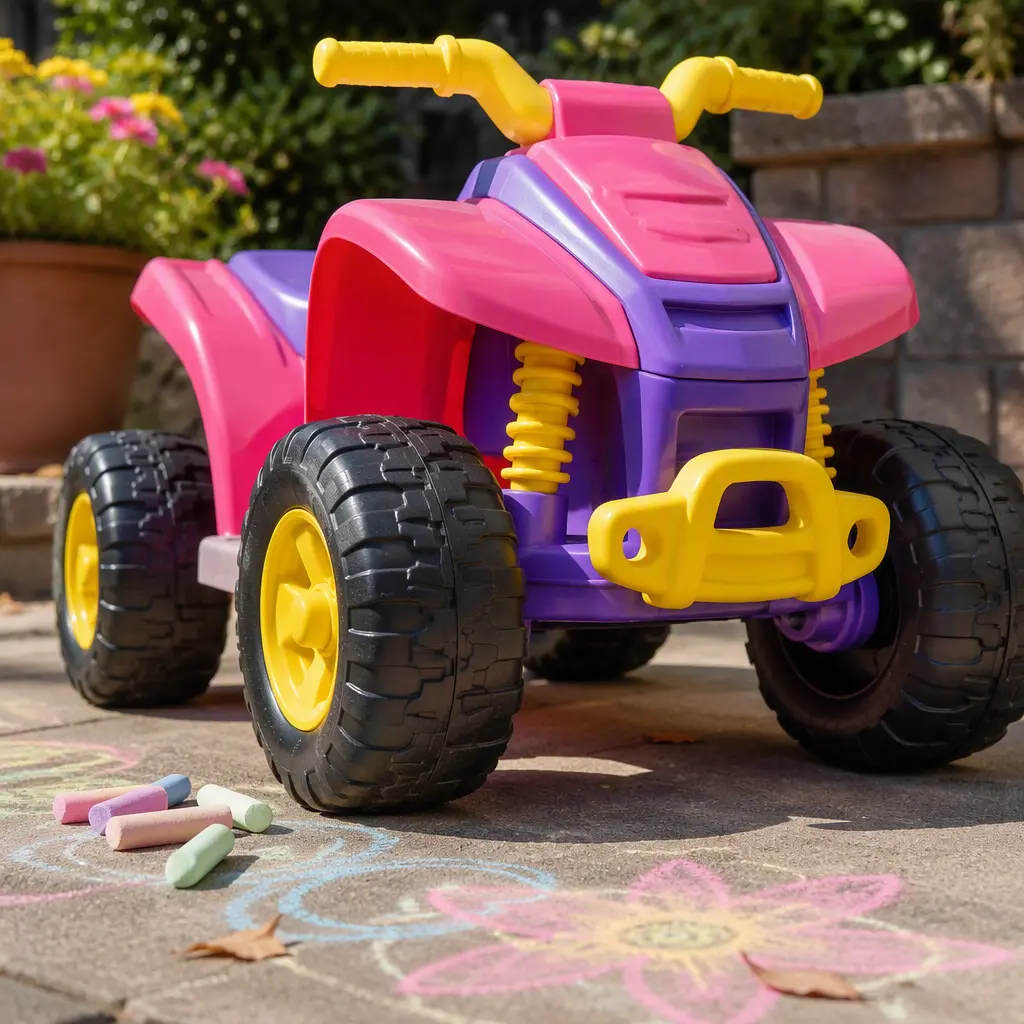
Modern monster-truck ride-ons come in several forms. Some follow the classic Big Wheel formula with one oversized front wheel and a reclining seat, while others use four chunky wheels for added balance. Certain designs focus on exaggerated tire tread and lifted styling, while others emphasize comfort with wider seats and easier-grip handlebars. Battery-powered versions also exist, though many families still prefer pedal or foot-powered models because they are lighter, quieter, and simpler to maintain.
When shopping today, the most important factors are build quality, wheel durability, and size suitability. Outdoor ride-ons take heavy wear from pavement, curbs, and weather exposure. Thicker molded wheels and reinforced axles generally hold up better over time. It is also worth checking seat adjustability and rider weight guidance so the toy remains comfortable as a child grows.
- Look for stable wheel spacing and sturdy steering connections
- Choose a size appropriate for the child's height and leg reach
- Check whether replacement wheels or parts are available
- Avoid extremely lightweight plastic designs that flex heavily outdoors
- Store ride-ons indoors or under cover to reduce sun fading and cracking
Frequently asked questions
Are monster-truck ride-ons different from classic Big Wheels?
They share the same basic idea of low-to-the-ground riding, but monster-truck versions emphasize oversized tires, lifted styling, and more rugged visual details. Some also use four-wheel layouts instead of the traditional large front wheel design.
What age group are these toys best suited for?
Most are designed for preschoolers and younger elementary-age children. The exact fit depends on the rider's height and coordination, so checking manufacturer sizing guidance is important before buying.
Do they work well indoors?
They are primarily outdoor toys because the larger wheels and wider turning radius need open space. Smooth driveways, patios, sidewalks, and playground paths tend to work best.
Why do oversized wheels matter so much?
Large wheels create visual excitement, but they also help the toy roll more smoothly over cracks, bumps, and uneven pavement. For children, the oversized proportions can make the riding experience feel more adventurous and dramatic.
Big Wheels Monster Trucks show how a simple toy category can evolve by borrowing ideas from larger entertainment trends. By combining the approachable mechanics of preschool ride-ons with the exaggerated look of monster trucks, manufacturers created toys that felt energetic, playful, and immediately recognizable. The formula remains popular because it taps into two things children rarely outgrow: the thrill of motion and the excitement of pretending to drive something much bigger than themselves.