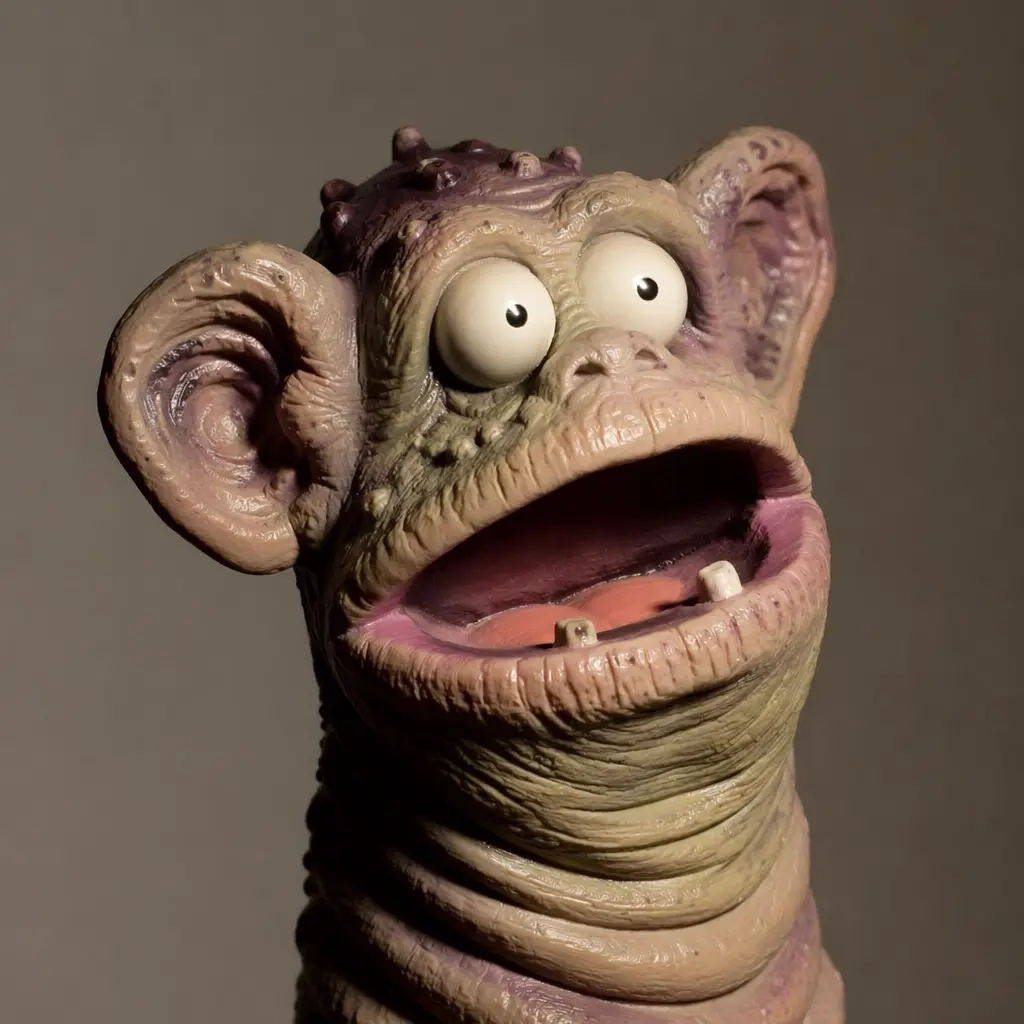
Boglins: The grotesque hand puppets that ruled the late ’80s
Boglins were rubbery, snarling hand puppets that turned kids into monster ventriloquists in the late 1980s. Equal parts gross and funny, they left a lasting mark on toy shelves—and memories.
Compare prices and availability
Check current prices and availability for this guide on eBay.
As an eBay Partner, we may be compensated if you make a purchase.
In the late 1980s, toy aisles were crowded with friendly mascots and heroic figures—but Boglins went the other way. These rubbery, grotesque hand puppets looked like they’d crawled out of a dungeon, snarling and squinting from behind plastic prison-cell boxes. Kids loved them precisely because they were weird, ugly, and a little bit forbidden. Boglins didn’t just sit on a shelf; they stared back, daring you to put your hand inside and bring the monster to life.
Where it came from
Boglins debuted in 1987, created by British designers Tim Clarke and Maureen Trotto, and brought to mass-market shelves through Mattel. Clarke was already known for creature work in film and television, and that monster-maker DNA showed. Unlike most dolls of the era, Boglins leaned heavily into practical-effects aesthetics: asymmetry, wrinkles, and expressive rubber faces that looked hand-sculpted rather than factory-smoothed.
The original concept was simple but clever. Each Boglin was a hand puppet with a distinct personality, packaged in a plastic crate that suggested it was dangerous cargo. The backstories were intentionally silly—more gross-out humor than genuine horror—which made them acceptable to parents while still thrilling kids who wanted something edgy.
Why it works
Boglins succeeded because they handed control to the child. Once your hand slipped inside, the toy wasn’t a static monster anymore—it talked, argued, and caused trouble. The puppetry element encouraged imaginative play in a way action figures didn’t, and the exaggerated faces made even simple movements feel expressive.
- Soft, flexible rubber that allowed wide mouth movement
- Distinctive, intentionally grotesque facial designs
- Built-in personalities that sparked role-play
- Packaging that doubled as world-building
There was also a social component. Boglins were perfect for show-and-tell, sleepovers, and backyard performances. Kids could stage arguments between monsters or use them as a mouthpiece for jokes they might not otherwise tell. The toy gave permission to be loud, rude, and imaginative.
Who it’s for
Originally, Boglins were aimed at elementary-school-aged kids, roughly 6 to 10, who were ready for slightly scary humor without true fright. Today, their audience is split. Nostalgic adults remember them fondly, while kids who enjoy monsters, puppets, or Halloween-style fun still find them appealing. They’re less about gentle pretend play and more about performance and personality.
Variants and what to look for today
During their original run, Boglins came in several waves, with different color schemes, expressions, and themes. Some leaned more comical, others more monstrous. In recent years, the brand has seen revivals that stay close to the original look while using modern materials and packaging.
If you’re shopping today, focus on overall condition and feel. The charm of a Boglin is in its rubbery expressiveness, so hardened or cracked material can dull the experience. Modern reissues are often sturdier for play, while vintage examples appeal more to collectors and display.
Frequently asked questions
Are Boglins scary for young kids?
They’re more silly than scary, but the exaggerated faces can be intense for very young children. They’re best for kids who already enjoy monster-themed toys or shows.
Do Boglins encourage imaginative play?
Yes. As hand puppets, they naturally invite storytelling, voice work, and performance, often pulling kids into longer, more elaborate play sessions.
Are modern versions different from the originals?
Modern releases typically use updated materials and safer packaging but aim to replicate the original designs and personalities that fans remember.
Can adults enjoy them too?
Absolutely. Many adults enjoy Boglins as nostalgic display pieces or quirky desk companions, even if they’re no longer staging puppet shows.
Boglins didn’t last forever on toy shelves, but their impact stuck. They proved that kids didn’t just want heroes and pets—they wanted weird, expressive creatures that talked back. Decades later, those rubbery faces still grin from memory, reminding us that sometimes the strangest toys leave the strongest impressions.