Cranium: The party game that proved every kind of smart counts
Launched in 1998, Cranium reshaped party games by celebrating many kinds of intelligence—creative, verbal, physical and logical—and turning group play into an all-skills affair.
Compare prices and availability
Check current prices and availability for this guide on eBay.
As an eBay Partner, we may be compensated if you make a purchase.
In the late 1990s, party games were often split into two camps: trivia-heavy quizzes for the quick thinkers, or physical games that favoured confidence and speed. Cranium arrived with a different idea. What if a single game could give everyone at the table a moment to shine—whether they loved wordplay, enjoyed acting things out, or preferred building and drawing? That simple question helped turn Cranium into one of the most recognisable party games of its era.
Where it came from
Cranium was created in 1998 by a small group of friends who wanted a game that felt more inclusive than traditional trivia. Instead of testing a narrow band of knowledge, they built a format that rewarded creativity, communication and teamwork. The original release stood out immediately, with its bright presentation and an emphasis on shared laughs rather than quiet concentration.
The game’s rise was helped by strong word-of-mouth. Families, offices and friend groups discovered that Cranium worked just as well at a dinner party as it did at a casual game night. Over time, it became a staple in the “bring it out when everyone’s over” category, cementing its place among classic party games.
Why it works
At the heart of Cranium is the idea that intelligence isn’t one-size-fits-all. Players work in teams and move around the board by completing different types of challenges, each tapping into a different skill. Because success doesn’t depend on just knowing facts, quieter players and confident performers alike get their chance to contribute.
The pace is another part of its appeal. Short, timed tasks keep energy high and prevent overthinking. Even when a team fails, the attempt is usually entertaining enough to keep everyone engaged.
- A mix of creative, verbal, logical and physical challenges
- Team-based play that reduces pressure on individuals
- Simple rules that are easy to explain to new players
- A light, humorous tone that encourages laughter over competition
Who it’s for
Cranium is best suited to mixed-age groups and gatherings where not everyone shares the same interests. Older children can play alongside adults, and it’s particularly popular with families who want a game that doesn’t feel like homework. Adults also return to it for parties because it lowers the barrier to entry—no specialist knowledge required, just a willingness to join in.
Variants and what to look for today
Over the years, Cranium has appeared in multiple editions and themed versions, often adjusting question styles or updating components to suit different audiences. Some versions lean more heavily into family-friendly content, while others are designed for adults and social gatherings.
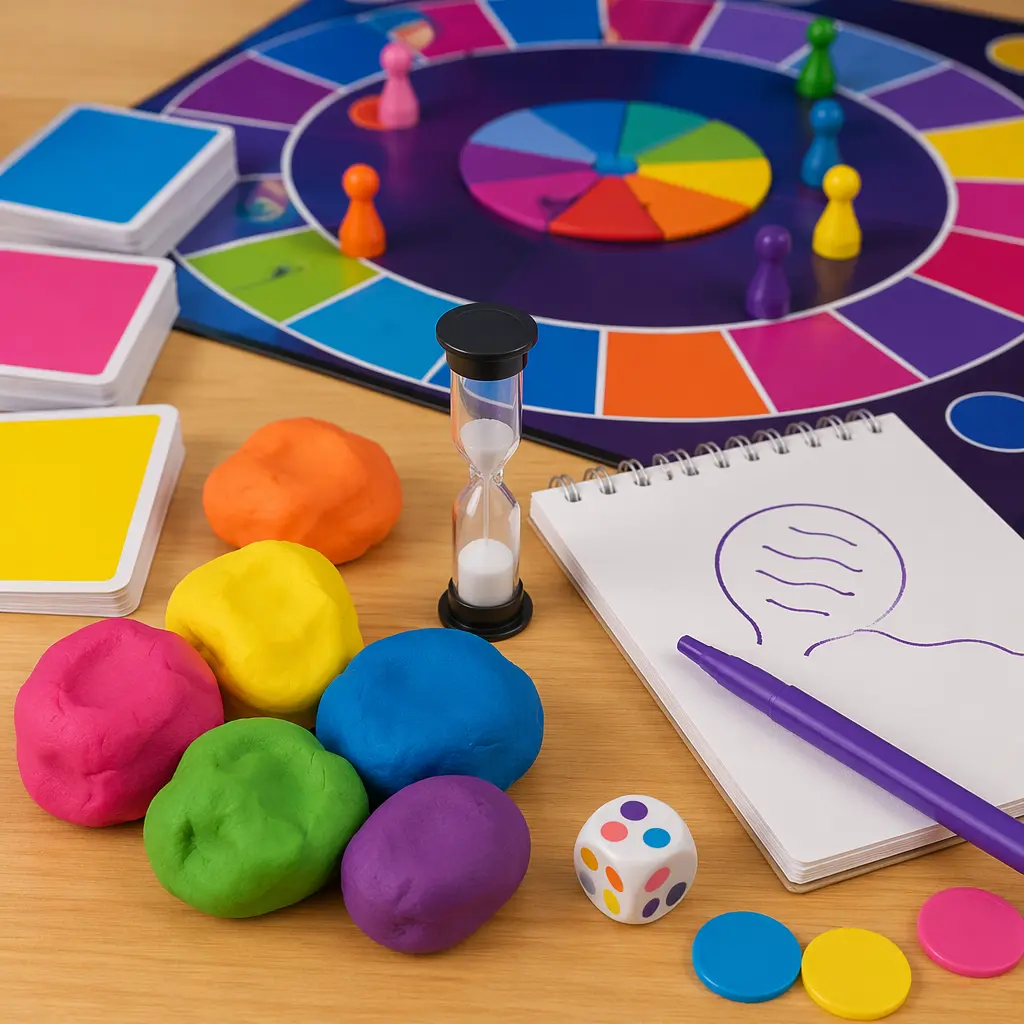
If you’re picking up Cranium today, look for a complete set with all core components—cards, timer, clay and drawing materials are essential to the experience. Be cautious with very cheap copies or poorly stored second-hand sets, as missing pieces can limit certain challenge types and reduce the game’s variety.
Frequently asked questions
How long does a typical game of Cranium last?
Most games run between 45 minutes and an hour, depending on group size and how strictly you follow the timer. Many groups play casually and don’t mind stretching the experience.
Do you need to be good at trivia to enjoy it?
Not at all. While some challenges involve general knowledge, many rely on drawing, acting or wordplay, giving everyone a fair shot regardless of trivia skills.
Is Cranium suitable for smaller groups?
It works best with at least four players so teams can form, but creative house rules can make it enjoyable with fewer people.
Why has Cranium endured when many party games fade?
Its inclusive design keeps it relevant. Because it values many kinds of participation, it adapts well to changing tastes and generations.
More than two decades on, Cranium still feels like a game made for people, not just players. Its lasting lesson is simple but powerful: when you recognise different kinds of smart, everyone has more fun.