DIY Slime Kits: How chemistry became a creative ritual
DIY slime kits turned simple chemistry into a hands-on craft kids love. From glue and activator to glitter and foam, here’s how slime became a modern play ritual—and what to know today.
Compare prices and availability
Check current prices and availability for this guide on eBay.
As an eBay Partner, we may be compensated if you make a purchase.
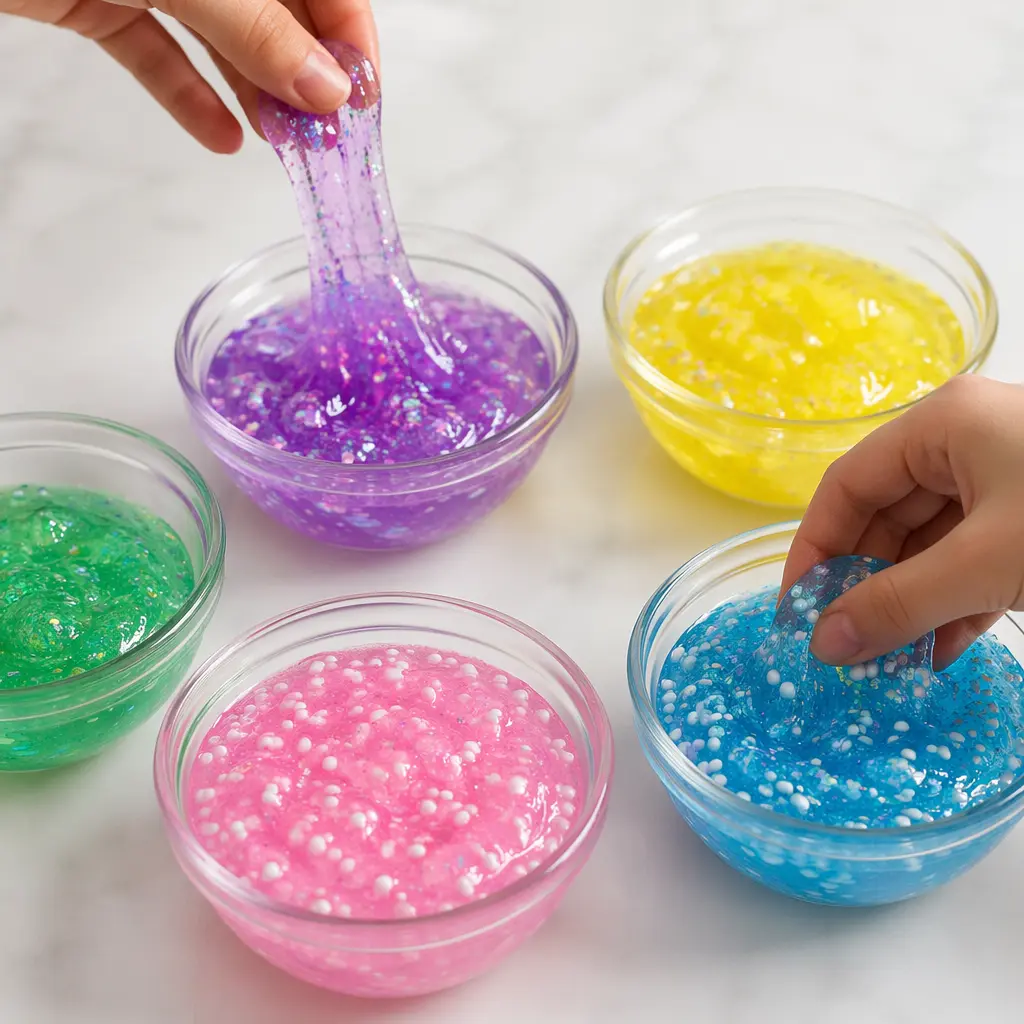
DIY slime kits are an unlikely modern classic: part craft project, part science experiment, part stress toy. With a few everyday ingredients—glue, an activator, and color—kids get to make something stretchy, squishy, and uniquely theirs. What started as a niche internet trend quickly turned into a hands-on ritual in homes, classrooms, and birthday parties, blending creativity with basic chemistry in a way that feels playful rather than instructional.
Where it came from
Slime itself isn’t new—stretchy polymer toys have existed for decades—but DIY slime kits emerged in the 2010s alongside social video platforms and a renewed interest in hands-on making. Early slime recipes circulated online, often shared by kids and teens experimenting with household supplies. Brands soon packaged those ingredients into kits, making the process easier, safer, and more consistent for families.
The original appeal was accessibility. Unlike many crafts, slime didn’t require fine motor precision or expensive tools. The goal wasn’t a perfect finished object but the experience of mixing, watching a liquid transform, and adjusting the texture until it felt “just right.” That sense of control and discovery helped slime move from trend to staple.
Why it works
At its core, slime is a simple chemistry lesson in disguise. When glue and activator combine, long polymer chains form, changing the mixture’s texture. Kids don’t need to know the science terms to feel the cause-and-effect. Add too much activator and it stiffens; add lotion or water and it softens again. The feedback is immediate and satisfying.
- Open-ended creativity with colors, textures, and add-ins
- Clear cause-and-effect that encourages experimentation
- Tactile, sensory play that can be calming or energizing
- Low barrier to entry—no special skills required
Design-wise, kits succeed because they balance freedom with guardrails. Pre-measured ingredients reduce mess and frustration, while optional extras—glitter, foam beads, charms—let kids personalize their slime without overwhelming them.
Who it’s for
DIY slime kits typically suit school-age kids, roughly 6 and up, with adult supervision. Younger children enjoy the sensory aspect but may need help measuring and mixing. Older kids and teens often treat slime as a creative hobby, tweaking recipes and textures. There’s also quiet adult appeal: many parents admit the repetitive kneading is oddly relaxing, making slime a shared activity rather than a drop-off toy.
Variants and what to look for today
Modern DIY slime kits come in a wide range of styles. Some focus on classic glossy slime, while others lean into textures like fluffy, crunchy, or butter-soft. Ingredient quality matters: clear instructions, sealed containers, and kid-safe formulations make a big difference in the experience.
When shopping today, look for kits that explain the process clearly and include storage containers—fresh slime lasts longer when kept airtight. Be cautious with unbranded bundles that skip instructions or safety guidance; inconsistent activators can lead to brittle or sticky results that frustrate kids.
Frequently asked questions
Is slime safe for kids?
Most reputable kits are designed for children and use non-toxic ingredients, but adult supervision is recommended. Slime is not edible, and younger children may need reminders not to put it in their mouths.
Why did slime become so popular?
Slime’s rise combined social sharing with sensory satisfaction. Watching textures stretch and swirl on video sparked curiosity, while making it at home delivered a hands-on payoff that screens alone couldn’t match.
How long does homemade slime last?
Stored in an airtight container, slime can last several weeks. Exposure to air, heat, or dirt shortens its lifespan, so clean hands and proper storage matter.
Does slime have educational value?
Yes—without feeling like homework. Slime introduces basic chemistry concepts, measurement, and problem-solving, all wrapped in a playful, self-directed activity.
DIY slime kits endure because they respect kids’ curiosity. They don’t dictate a single outcome; they invite tweaking, fixing, and trying again. In a world of push-button entertainment, the simple act of mixing glue and activator still feels a little bit magical—and that’s why slime keeps stretching into new generations of play.