The Fidget Cube: How six tiny switches captured a modern habit
Born in 2016, the Fidget Cube turned everyday fidgeting into a pocket-sized toy. Its mix of clicks, spins, and textures explains why it spread so fast—and why it still resonates.
Compare prices and availability
Check current prices and availability for this guide on eBay.
As an eBay Partner, we may be compensated if you make a purchase.
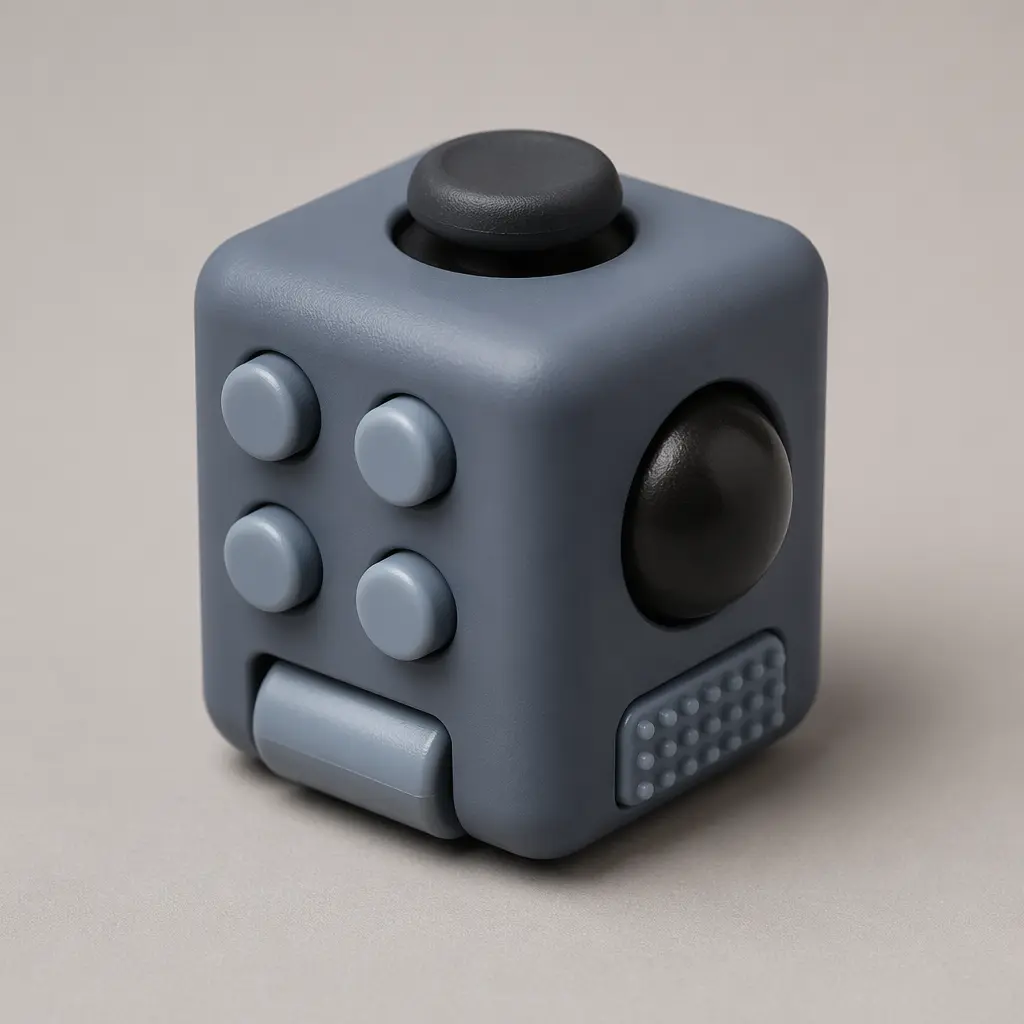
The Fidget Cube arrived quietly, then suddenly seemed to be everywhere: on office desks, in classrooms, and tucked into coat pockets. With six sides of clicks, rolls, and spins, it didn’t ask to be played with so much as fiddled with. That low-key promise—something to do with your hands while your mind stayed elsewhere—helped turn a tiny plastic cube into one of the defining toys of the 2010s.
Where it came from
The Fidget Cube was created in 2016 by two designers who wanted a focused alternative to noisy, distracting habits like pen clicking or foot tapping. Rather than inventing a single gimmick, they bundled several familiar fidget actions into one object: a clicker, a spinner, a rocker, and textured surfaces.
Its rise coincided with a growing conversation around attention, anxiety, and sensory needs—especially in schools and workplaces. Crowdfunding helped the idea spread quickly, and within months the cube became shorthand for a broader category: small, tactile toys designed not for games, but for self-regulation.
Why it works
At heart, the Fidget Cube works because it respects how people actually fidget. Most fidgeting isn’t rhythmic or goal-oriented; it’s exploratory. The cube’s six sides invite that wandering attention, letting users move from click to roll to spin without thinking.
Unlike puzzles or games, there’s no right way to use it. Each interaction is brief, repeatable, and satisfying in a slightly different way, which keeps the hands busy without demanding focus.
- Multiple tactile actions in one compact object
- Silent and clicky options for different settings
- No learning curve or rules
- Durable design meant for constant handling
Who it’s for
The Fidget Cube is typically recommended for older children, teens, and adults. It’s especially popular with students who need a quiet outlet during lessons and adults who want something to occupy their hands during meetings or screen time. While often associated with focus and anxiety support, many users simply enjoy it as a desk companion—something to fiddle with while thinking.
Variants and what to look for today
Since the original release, countless variations have appeared. Some stick closely to the six-sided format, while others remix the idea with different shapes or added textures. Materials range from lightweight plastic to heavier metal versions designed for a more premium feel.
When choosing one today, it’s worth paying attention to build quality. Loose buttons, sharp seams, or overly loud clicks can undermine the experience. Simpler designs often hold up better than ones overloaded with gimmicks, especially if the cube will live in a pocket or backpack.
Frequently asked questions
Is a Fidget Cube a toy or a tool?
It sits somewhere in between. While sold as a toy, many people use it as a focus or stress-management aid rather than for play in the traditional sense.
Does it really help with concentration?
For some people, yes. Light, repetitive hand movement can help maintain attention, though results vary from person to person.
Are they suitable for young children?
They’re generally better for older children, as small parts and hard materials may not be ideal for toddlers.
How long do they last?
A well-made cube can last years, but cheaper versions may wear out quickly due to constant clicking and handling.
Nearly a decade after its debut, the Fidget Cube feels less like a fad and more like a snapshot of modern life. It captured a moment when people openly acknowledged their need to fidget—and offered a simple, pocket-sized answer that still earns its place on the desk.