GeoSafari: The toy line that turned backyards into field labs
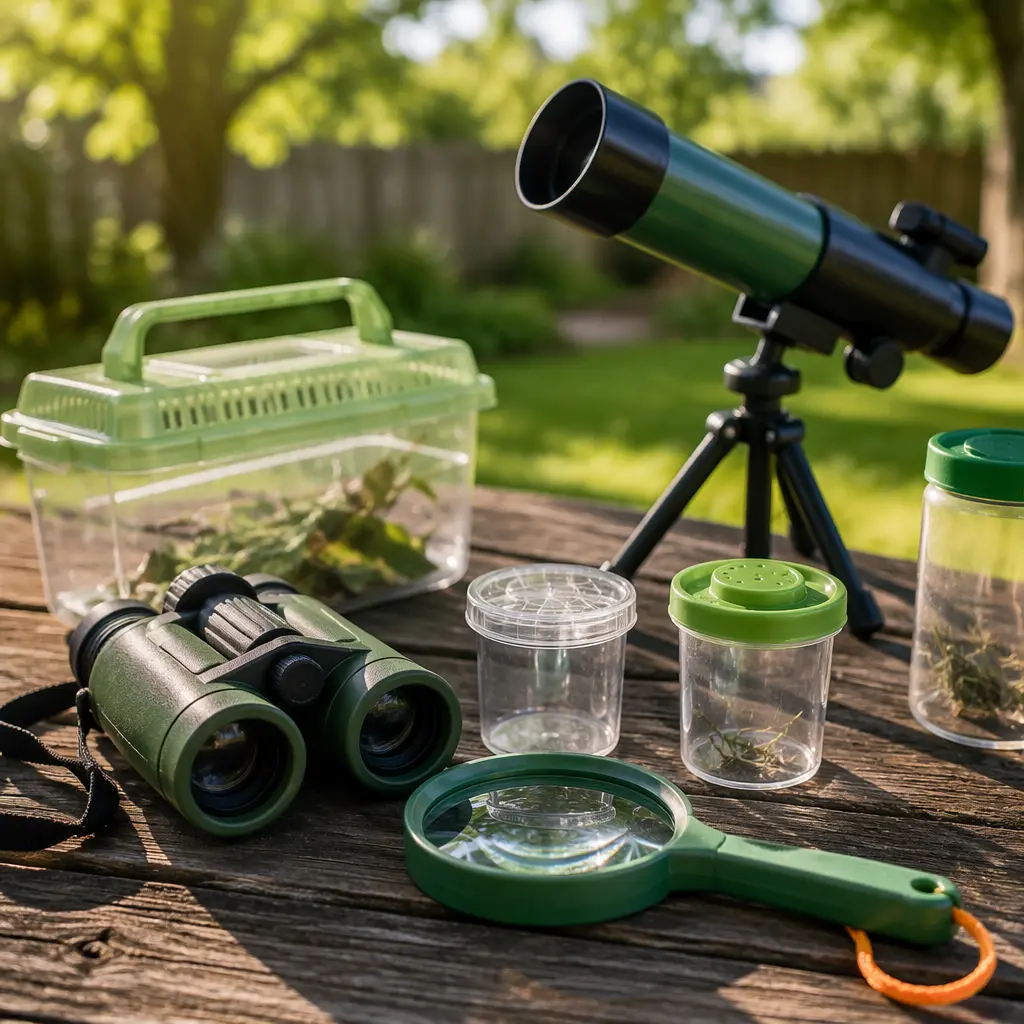
GeoSafari blended kid-friendly gadgets with hands-on science, giving children tools that made bugs, rocks, stars, and backyard exploration feel like genuine field research.
Compare prices and availability
Check current prices and availability for this guide on eBay.
As an eBay Partner, we may be compensated if you make a purchase.
Long before app-connected microscopes and coding kits became standard entries in the STEM aisle, GeoSafari built its reputation around a simpler idea: children are naturally curious, and giving them tools that resemble real scientific equipment can turn ordinary outdoor play into active investigation. The line combined approachable educational concepts with durable, field-ready gadgets that encouraged kids to observe birds, inspect rocks, study insects, and look at the night sky with the mindset of a researcher instead of a passive learner. For many families in the 1990s and early 2000s, GeoSafari products became a bridge between classroom science and hands-on discovery at home.
Where it came from
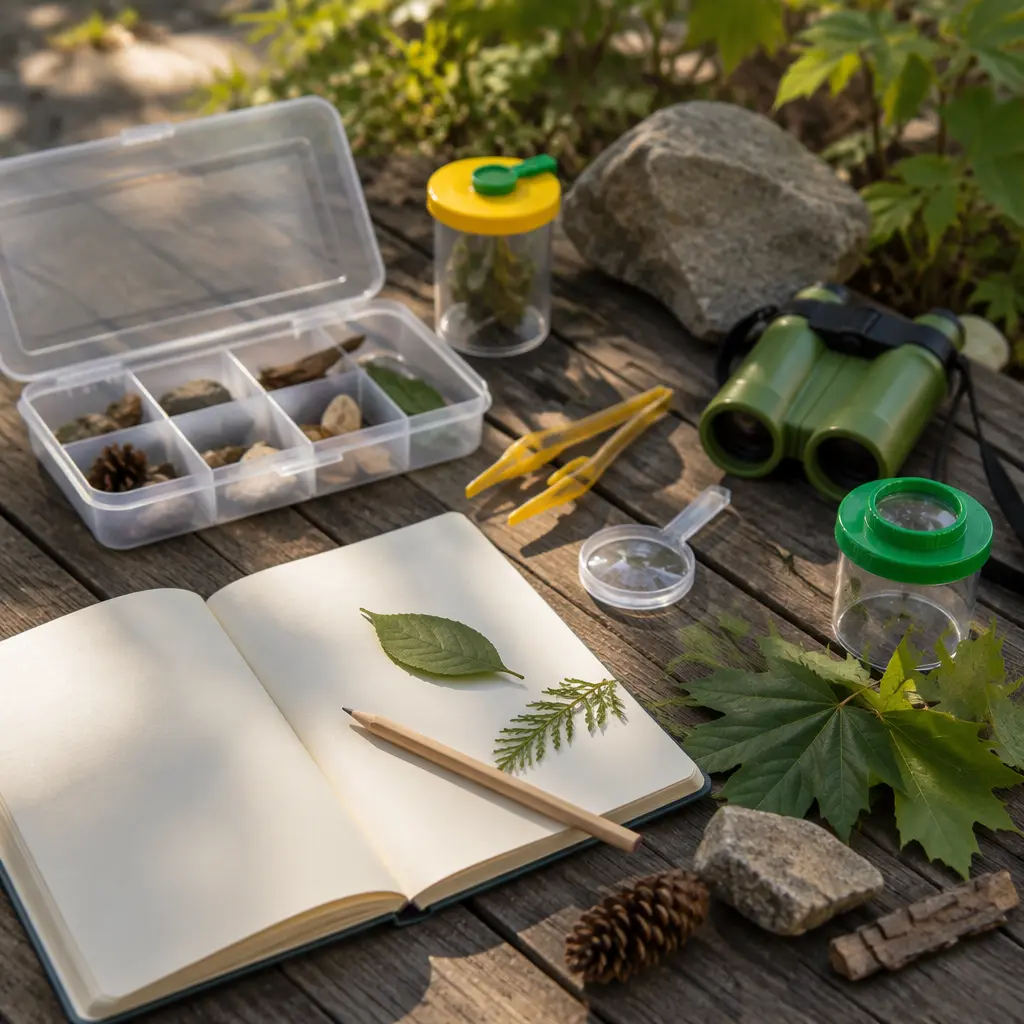
GeoSafari emerged in 1989 through Educational Insights, a company focused on classroom-oriented learning products and hands-on educational play. The timing mattered. Schools and parents were increasingly interested in science education that moved beyond memorization, and toy makers were beginning to experiment with products that could blend entertainment with practical learning. Instead of centering the line around a single mascot or fictional universe, GeoSafari focused on tools and experiences: binoculars for observation, microscopes for close study, talking globes, bug viewers, telescopes, and science kits designed to make children feel capable and independent.
The line drew inspiration from real field equipment used by biologists, geologists, and astronomers, but scaled those ideas down for younger users. Many products were intentionally chunky and oversized, making them easier for children to grip and more durable during outdoor use. Bright colors and simple controls kept the toys approachable, while the branding leaned into adventure and exploration rather than pure academics. That balance helped GeoSafari avoid feeling like homework, even when parents bought the products specifically for educational value.
Why it works
The most effective GeoSafari toys share a common design principle: they give children a job to do. A magnifier invites inspection. A bug viewer encourages collection and observation. A telescope creates a reason to look up at the sky after dark. Instead of rewarding children with lights, sounds, or scripted outcomes alone, the toys rely on discovery and attention. That style of play tends to last longer because the environment itself keeps changing. A backyard, park, beach, or campsite becomes part of the toy.
Another reason the line endured is that it treated scientific curiosity as active and physical. Many STEM toys focus on screens or guided activities, but GeoSafari products often ask children to move around, gather information, compare findings, and make observations on their own. Parents appreciated the educational angle, while kids enjoyed the sense of independence that came from carrying equipment that looked similar to adult tools.
- Field-style tools designed for outdoor exploration
- Large, durable controls suited to younger hands
- Activities built around observation and discovery
- Science themes covering nature, astronomy, geography, and biology
- Open-ended play that works indoors or outdoors
Who it's for
GeoSafari has traditionally worked best for elementary-age children, especially kids who enjoy collecting objects, asking questions about nature, or spending time outdoors. Simpler products can appeal to preschoolers with supervision, while older children often gravitate toward telescopes, microscopes, or more detailed science sets. The line also developed a following among parents and educators looking for screen-light activities that encourage independent thinking. Adults who grew up with GeoSafari in the 1990s often remember the products with a particular kind of nostalgia because they represented exploration rather than competition or media tie-ins.
Variants and what to look for today
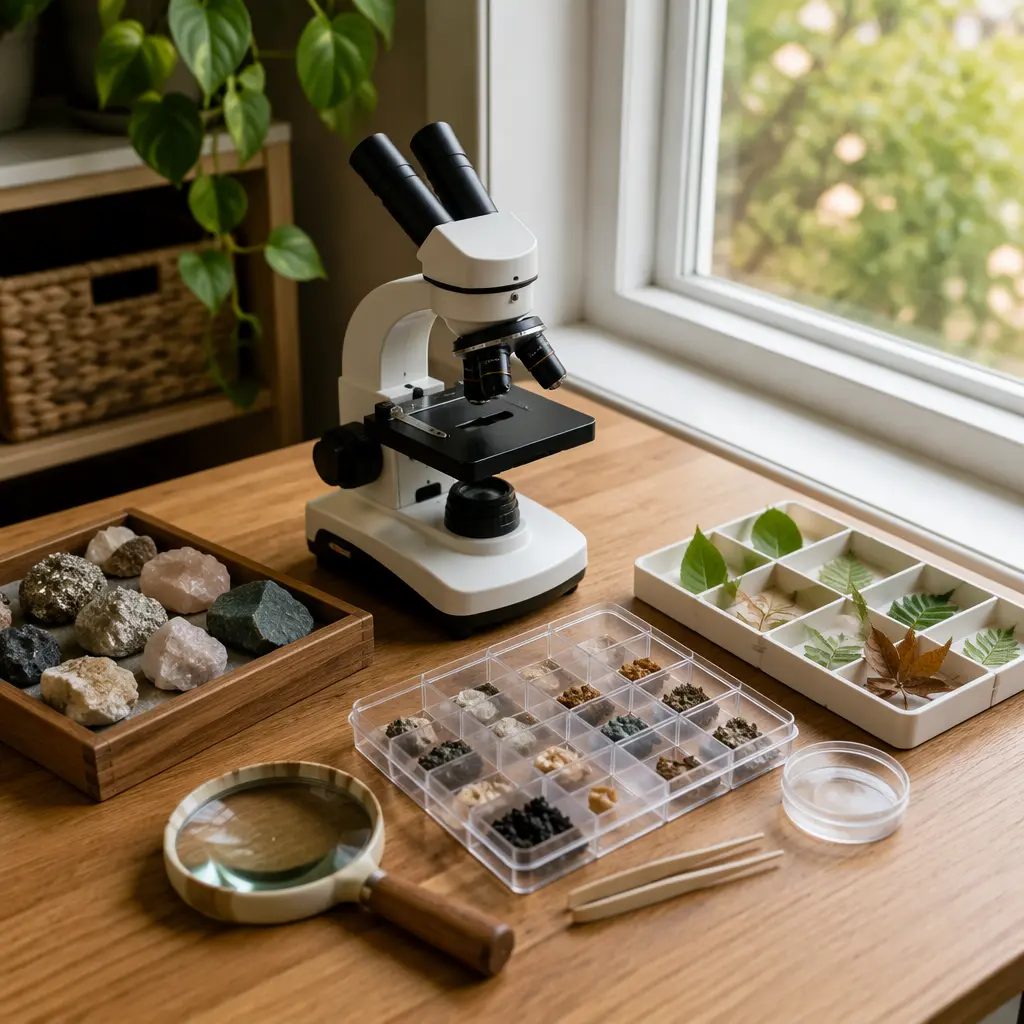
The GeoSafari name has covered a wide range of products over the decades, from simple handheld viewers to electronic learning systems. Some of the best-known categories include binoculars, talking educational globes, bug-catching kits, microscopes, telescopes, and interactive quiz-style learning devices. Because the line evolved over time, older products often have a more rugged, analog feel, while newer releases may include audio features, digital elements, or updated educational content.
For families shopping today, durability and clarity are usually more important than extra features. Optical toys such as microscopes or binoculars can vary widely in quality, especially among inexpensive imitations that prioritize appearance over function. Looking for sturdy hinges, smooth focus controls, and simple operation is often more useful than chasing novelty features. Vintage GeoSafari items are also common in secondhand markets, and many still hold up well because they were originally designed for classroom or repeated home use.
- Look for sturdy construction and easy-to-use controls
- Check battery compartments carefully on older electronic items
- Optical clarity matters more than exaggerated zoom claims
- Complete kits with trays or specimen containers tend to age better
- Avoid heavily worn lenses or cracked plastic on secondhand finds
Frequently asked questions
Was GeoSafari mainly a classroom brand?
It developed strong ties to education because Educational Insights supplied schools and learning programs, but many GeoSafari products were designed for home use as well. The line succeeded by making educational play feel adventurous instead of formal.
Are older GeoSafari toys still usable?
Many are. Simpler tools such as binoculars, bug viewers, or basic microscopes can remain functional for decades if stored properly. Electronic products may need battery cleaning or replacement parts, but the physical construction on older items is often surprisingly durable.
What made GeoSafari different from other STEM toys?
The line focused heavily on observation and exploration in real environments. Rather than teaching through quizzes alone, many products encouraged children to gather information directly from nature, weather, geography, or the night sky.
Do children still connect with this style of toy today?
Yes, especially when the toys are used as part of an activity rather than left on a shelf. Backyard bug hunts, camping trips, nature walks, and stargazing sessions still give these products a strong sense of purpose that translates well across generations.
GeoSafari arrived at a moment when educational toys were beginning to move beyond flash cards and electronic quizzes, and its best products still feel relevant because they trust curiosity to do most of the work. The line showed that a toy microscope or pair of binoculars could become more than a novelty if children were encouraged to use them as real tools. That approach helped transform ordinary backyards, parks, and sidewalks into places worth investigating, which remains a powerful idea in STEM play decades later.