Hatchimals: The toy that turned waiting into play
First launched in 2016, Hatchimals made patience part of the fun. This editorial profile looks at how the egg-hatching plush became a modern icon—and what matters when buying one today.
Compare prices and availability
Check current prices and availability for this guide on eBay.
As an eBay Partner, we may be compensated if you make a purchase.
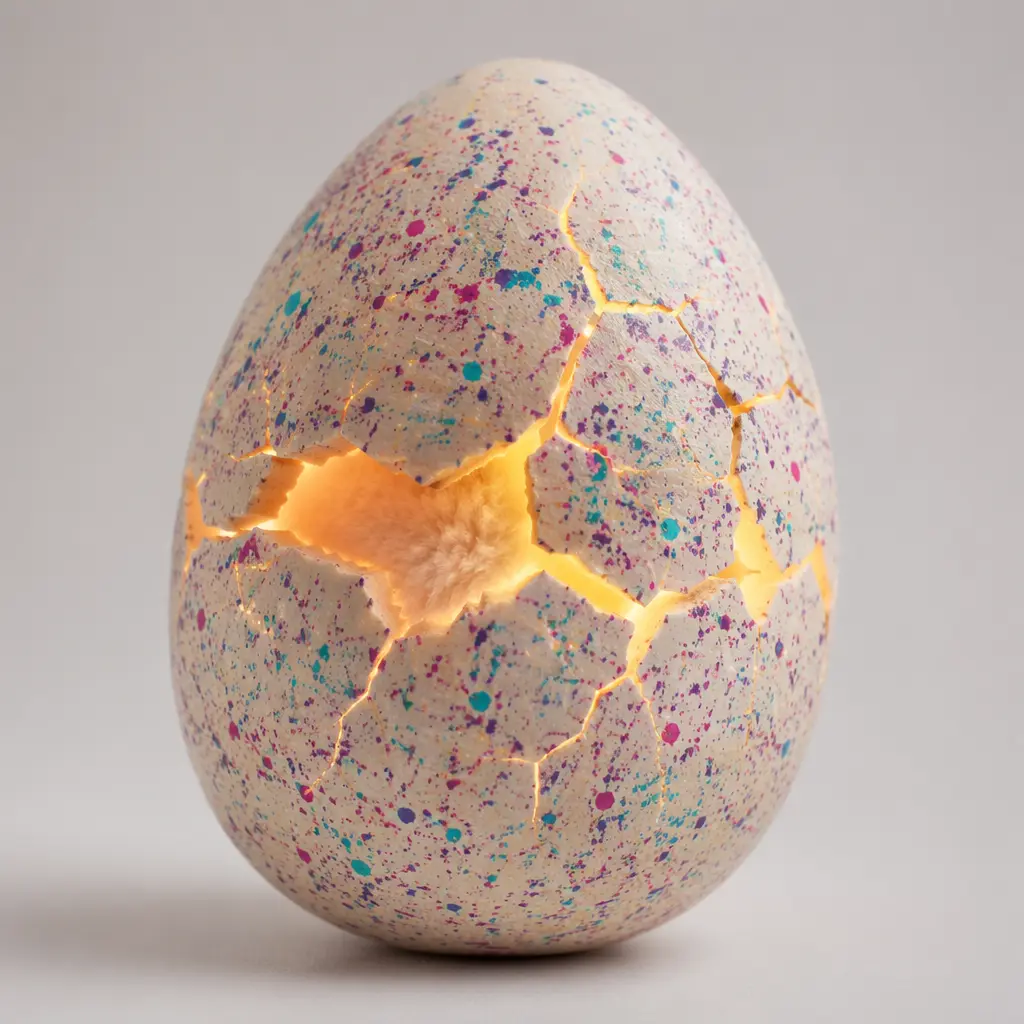
For a brief, noisy moment in the mid-2010s, it felt like every child wanted the same thing: an egg that would hatch. Hatchimals weren’t just another plush toy—they were an event. You didn’t open the box and meet the toy straight away. You had to care for it, wait, and watch as it slowly broke out of its shell. That simple twist turned a familiar category into one of the most talked-about toy launches of the decade.
Where it came from
Hatchimals arrived in 2016 from Spin Master, a Canadian toy company already known for combining traditional play with light technology. The idea was deceptively simple: a plush creature that ‘hatches’ from an egg only after a period of interaction. Children were encouraged to rock the egg, tap it, and respond to sounds and lights, simulating care before the big reveal.
The original purpose was emotional as much as mechanical. Hatchimals were designed to build anticipation and attachment, borrowing cues from virtual pets and surprise toys while grounding the experience in something soft and physical. At a time when unboxing videos were booming online, Hatchimals cleverly made the unboxing itself the toy.
Why it works
At heart, Hatchimals succeed because they pace the experience. Instead of instant gratification, they stretch play over time. The egg responds with sounds and lights, giving feedback that something is happening, even if nothing looks different yet. That sense of progress keeps children engaged.
Once hatched, the toy shifts gears. It becomes a more familiar interactive plush—reacting to touch, making noises, and encouraging nurturing play. The transition from mystery object to companion is the core design trick.
- A physical hatching process that feels earned, not automatic
- Simple interactivity that responds to care and attention
- A surprise element without being disposable or one-use
- Soft, cuddly materials once the egg is open
Who it's for
Hatchimals are typically aimed at early primary-school children who enjoy imaginative and nurturing play. The controls and interactions are straightforward enough for younger kids, while the anticipation of hatching appeals to slightly older ones. Adults often appreciate them for a different reason: they encourage patience and responsibility in a way that feels playful rather than preachy.
Variants and what to look for today
Since the original launch, Hatchimals have expanded into a broad family. There are different creature types, colour themes, and play patterns, including smaller collectibles and versions that grow or change over time. While the core idea remains the same, the level of interactivity can vary.
When shopping today, it’s worth checking how the hatching works and what happens afterward. Some versions focus heavily on the reveal, while others offer longer-term play once the egg is open. Stick to well-reviewed releases and be cautious of generic imitations that mimic the egg concept but lack durability or clear safety information.
Frequently asked questions
Do Hatchimals hatch on their own?
No. The hatching process is triggered by interaction. Touch, movement, and time all play a role, reinforcing the idea that care leads to progress.
Can a Hatchimal go back into its egg?
Once hatched, the egg is usually opened permanently. The toy then functions as a standalone plush or interactive figure.
Are Hatchimals suitable for younger children?
Most are designed for children aged five and up, mainly due to small parts and electronic components. Always check age guidance on the box.
Why were Hatchimals so popular?
They arrived at the right moment, blending surprise, technology, and emotional storytelling. The hatching mechanic turned waiting into play, which set them apart from typical plush toys.
A decade on from their debut, Hatchimals stand as a reminder that innovation in toys doesn’t always mean more screens or complexity. Sometimes, it’s about reframing a simple idea—like opening a box—into something magical. By making anticipation part of the experience, Hatchimals earned their place as a modern toy icon.