The Koosh Ball: The fidget toy before fidgets had a name
Soft, rubbery, and oddly irresistible, the Koosh Ball became a late-1980s playground staple by turning simple tactile play into something kids couldn’t put down.
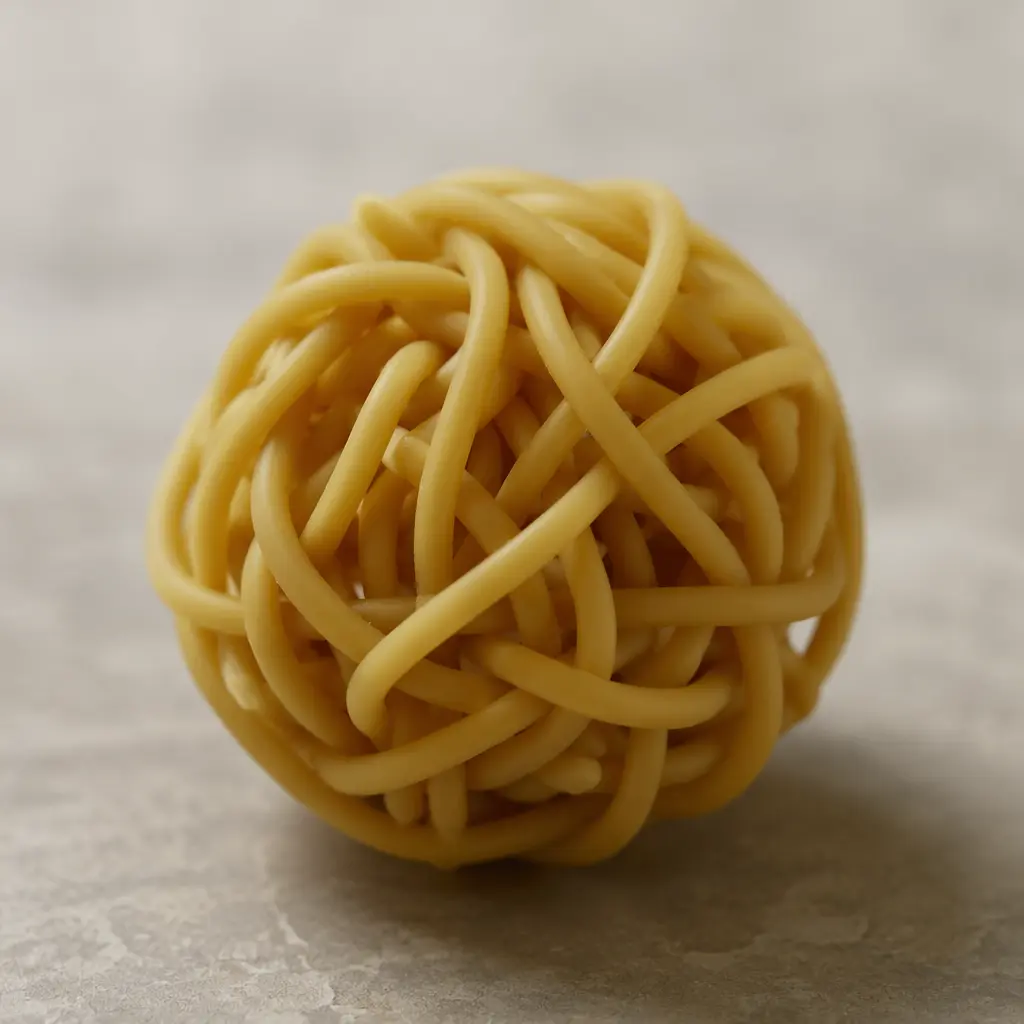
Compare prices and availability
Check current prices and availability for this guide on eBay.
As an eBay Partner, we may be compensated if you make a purchase.
Before stress balls, before pop-its, before anyone talked about “sensory regulation,” there was the Koosh Ball. It didn’t beep, light up, or promise to teach anything. It just felt good in your hand. Toss it, squeeze it, watch the rubbery strands slip through your fingers—and somehow, you were calmer, happier, and ready to do it again.
Where it came from
The Koosh Ball was invented in 1986 by Scott Stillinger, a former General Motors engineer. The story goes that Stillinger was trying to create a safer ball for his young son—something easy to catch that wouldn’t hurt if it hit you in the face. His solution was a ball made not from solid rubber or foam, but from hundreds of soft vinyl filaments radiating from a central core.
Originally sold by OddzOn Products, the Koosh Ball quickly stood out in toy aisles dominated by hard plastic and bright electronics. Its unusual look and irresistible feel helped it spread through schools and homes in the late 1980s and early 1990s. Teachers noticed kids fidgeting with them at their desks; parents noticed they rarely caused damage or arguments.
Why it works
The genius of the Koosh Ball is its simplicity. The flexible strands collapse when squeezed and spring back instantly, offering constant tactile feedback without any rules or learning curve. It’s a toy you understand the second you touch it.
It also hits a sweet spot between motion and calm. You can throw it, juggle it, or just roll it between your palms. There’s no right way to play, which makes it appealing across ages and attention spans.
- Soft, flexible strands that are easy to catch
- Gentle resistance when squeezed, then instant rebound
- Lightweight and quiet compared to many desk toys
- Durable enough for repeated tossing and fidgeting
Who it’s for
Originally marketed to kids, the Koosh Ball has always had cross-generational appeal. Younger children enjoy it as a safe, catchable ball, while older kids and adults use it as a stress reliever or desk fidget. It’s often recommended for school-age children who need something to do with their hands, and many adults recognize it instantly from their own childhood.
Variants and what to look for today
Over the years, Koosh-style balls have appeared in many sizes and colors, from classic neon to softer pastel tones. Some versions are larger and looser, better for tossing games, while smaller, denser ones feel more like stress balls.
When shopping today, look for flexible strands that are securely anchored and spring back easily after squeezing. Very cheap imitations may shed strands or feel stiff, which takes away from the experience that made the original so appealing.
Frequently asked questions
Is the Koosh Ball a fidget toy?
It wasn’t called that at the time, but yes. Its calming, repetitive squeeze-and-release motion fits perfectly with what we now think of as fidget or sensory toys.
Can you play games with it?
Absolutely. Simple catch, juggling, or target tossing all work well, especially because the ball is easy to grab and doesn’t bounce unpredictably.
Is it safe for classrooms?
Generally yes. It’s quiet, soft, and unlikely to cause damage, though teachers may still set rules about when and how it’s used.
Does it wear out?
With heavy use, strands can stretch or break, but a well-made Koosh-style ball should hold up to months or years of regular squeezing.
The Koosh Ball endures because it solves a simple human need: something comforting to hold and move. Decades later, in a world full of high-tech distractions, that soft bundle of rubber strands still proves that the best toys don’t need instructions—or batteries—to earn a permanent place in our hands.