LEGO Fortnite Battle Bus and the Rise of Game-to-Brick Play
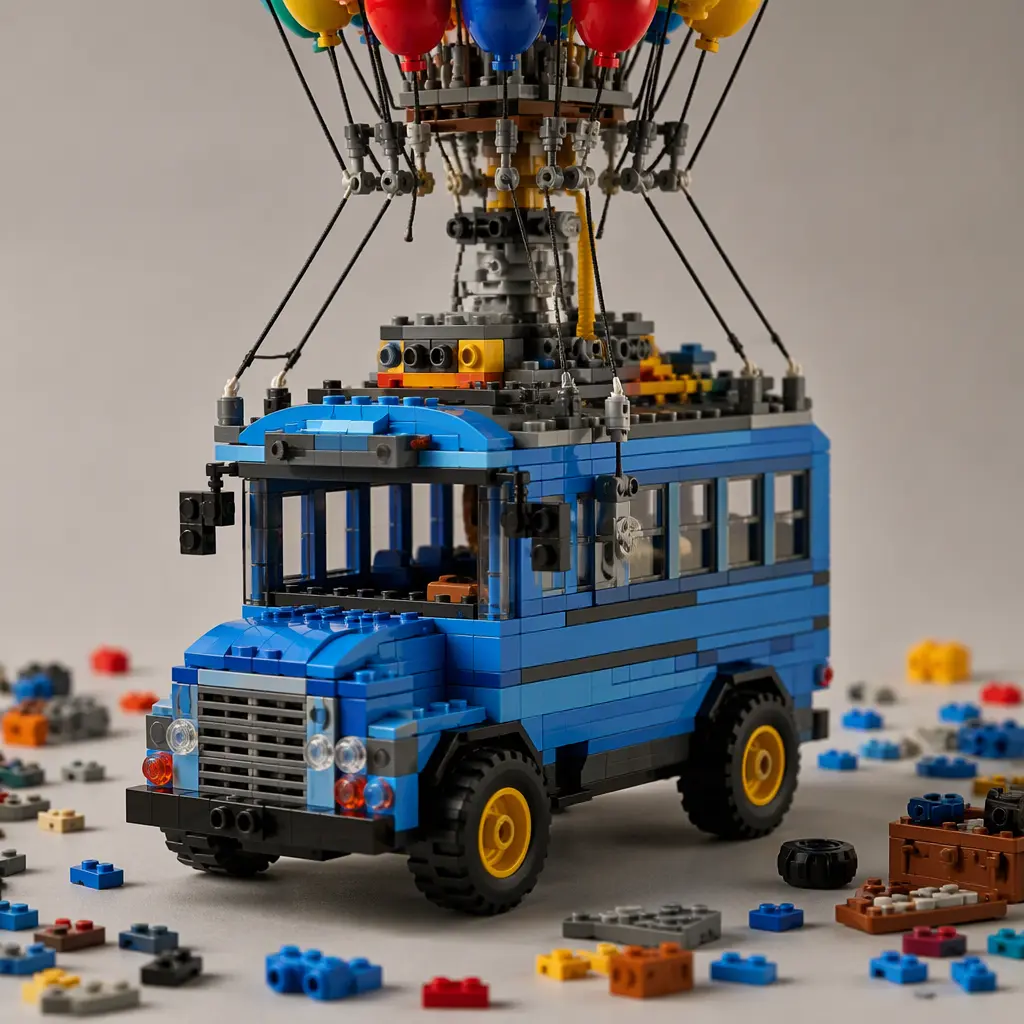
The LEGO Fortnite Battle Bus reflects how a live-service video game became a cross-generational building toy line, blending digital culture, display appeal and hands-on construction.
Compare prices and availability
Check current prices and availability for this guide on eBay.
As an eBay Partner, we may be compensated if you make a purchase.
The LEGO Fortnite Battle Bus arrived at a moment when toy companies and video game publishers were looking for something deeper than a one-off licensed tie-in. Fortnite had already grown beyond its original battle royale identity into a sprawling entertainment platform with concerts, creator-made worlds and a massive cross-generational audience. LEGO, meanwhile, had spent years turning movie franchises, fantasy worlds and gaming properties into collectible building experiences. The Battle Bus set became one of the clearest examples of those worlds overlapping: a toy built around a constantly evolving online game that many parents, teenagers and younger players already recognized instantly.
Where it came from
The partnership between LEGO and Fortnite grew out of a broader collaboration between the LEGO Group and Epic Games, the company behind Fortnite. Publicly, the companies framed the relationship around creating safer digital play spaces for children and families, but the collaboration quickly expanded into physical toys and in-game experiences. Fortnite already had the visual language that translated naturally into building sets: exaggerated vehicles, modular environments and stylized equipment that could be recreated in brick form without losing their identity.
The Battle Bus made sense as an early flagship product because it functions as one of Fortnite’s most recognizable icons. Even people who have never played the game often recognize the floating blue bus from livestreams, social clips or merchandising. In Fortnite itself, the vehicle acts as the starting point for each match, carrying players across the map before they jump into the action. Turning that concept into a construction set gave LEGO a centerpiece product that appealed both to active players and to adults who collect gaming memorabilia. It also reflected a larger industry trend: video game properties are increasingly treated as long-term toy ecosystems rather than short promotional tie-ins.
Why it works
Part of the appeal comes from the contrast between Fortnite’s fast-moving digital world and LEGO’s slower, tactile style of play. Fortnite changes constantly through seasonal updates, collaborations and cosmetic redesigns. A LEGO set freezes one piece of that universe into a physical object that can be built, rebuilt and displayed. For many fans, the Battle Bus works less like a traditional action toy and more like a cultural artifact from a game they have spent years following.
The design itself also suits LEGO’s strengths unusually well. Fortnite vehicles are intentionally oversized and stylized, which allows brick-built versions to look recognizable without needing hyper-realistic detail. The bus shape, roof equipment, balloon framework and rugged wheels all translate cleanly into construction techniques that are visually satisfying during the build process. Sets tied to digital games can sometimes feel overly dependent on the screen experience, but the Battle Bus has enough visual identity to stand on its own as a display piece.
- Bright, exaggerated vehicle design that adapts naturally to brick construction
- Strong crossover appeal between gamers, collectors and younger builders
- Recognizable centerpiece object from Fortnite rather than a niche game location
- Display-friendly shape with layered mechanical details
- Part of a broader LEGO Fortnite line that connects physical and digital play culture
Who it's for
The LEGO Fortnite line sits in an unusual place compared with many licensed building toys because its audience stretches across several age groups at once. Younger builders may know Fortnite through friends, YouTube creators or family members, while teenagers and adults often have years of direct experience with the game itself. That gives the Battle Bus broader recognition than many gaming tie-ins. For adults, the set can function as a desk or shelf display connected to online gaming culture. For younger fans, it works more traditionally as a construction toy with imaginative play potential. Parents should still pay attention to the recommended age range on individual sets, since more detailed LEGO gaming models may include advanced building steps and smaller pieces.
Variants and what to look for today
The LEGO Fortnite partnership extends beyond a single model, and that broader ecosystem matters when considering the Battle Bus itself. Some fans approach these sets primarily as gaming collectibles, while others treat them like standard LEGO display builds. As the line grows, expect differences in complexity, scale and intended audience. Some products may focus on recognizable characters and accessories, while others emphasize larger environmental builds or vehicles.
When shopping, it is worth paying attention to whether a set is designed mainly for display or for active play. Display-oriented models often include denser building techniques and decorative details, while play-focused sets may use sturdier construction and simpler assemblies. Since Fortnite is a live-service game with a constantly changing cosmetic style, visual interpretations can also vary between releases. Buyers looking for long-term shelf appeal may prefer more iconic Fortnite imagery over seasonal or trend-driven references.
- Check recommended age ranges carefully for build complexity
- Look for complete minifigure and accessory packs when buying secondhand
- Consider shelf size because larger gaming sets can have wide footprints
- Avoid unusually cheap unofficial copies with inconsistent brick quality
Frequently asked questions
Is the LEGO Fortnite Battle Bus tied to the video game?
Yes. The set is based on Fortnite imagery and is part of the broader collaboration between the LEGO Group and Epic Games. The physical toys are separate products from the game itself, though they share themes, designs and branding.
Does the set require an app or online features?
The physical building set can be used offline like a traditional LEGO product. Some related LEGO Fortnite experiences exist inside Fortnite’s digital ecosystem, but the toy itself does not depend on cloud connectivity for basic use.
Why has Fortnite worked so well as a toy line?
Fortnite already has a visually distinctive style with colorful vehicles, costumes and exaggerated environments that adapt naturally into physical toys. The game also spans multiple age groups, giving the toy line a wider audience than many gaming licenses.
Is the Battle Bus mainly a collectible or a play set?
It functions as both, depending on the builder. Some owners treat it as a display piece tied to gaming culture, while others use it for imaginative play and rebuilding. That flexibility is part of the line’s appeal.
The LEGO Fortnite Battle Bus represents more than a single licensed construction set. It shows how modern toy companies now approach video games as long-term creative worlds that can move between screens, shelves and physical playrooms. For LEGO, the partnership extends its reach into one of the world’s most recognizable online games. For Fortnite, it transforms a digital icon into something people can physically build, modify and display long after a game session ends.