LegoGPT: AI-built brick models and the debate around them
LegoGPT is an AI-assisted LEGO research project that turns text prompts into buildable brick designs, highlighting both the promise of creative automation and the questions surrounding safety, ownership and play.

Compare prices and availability
Check current prices and availability for this guide on eBay.
As an eBay Partner, we may be compensated if you make a purchase.
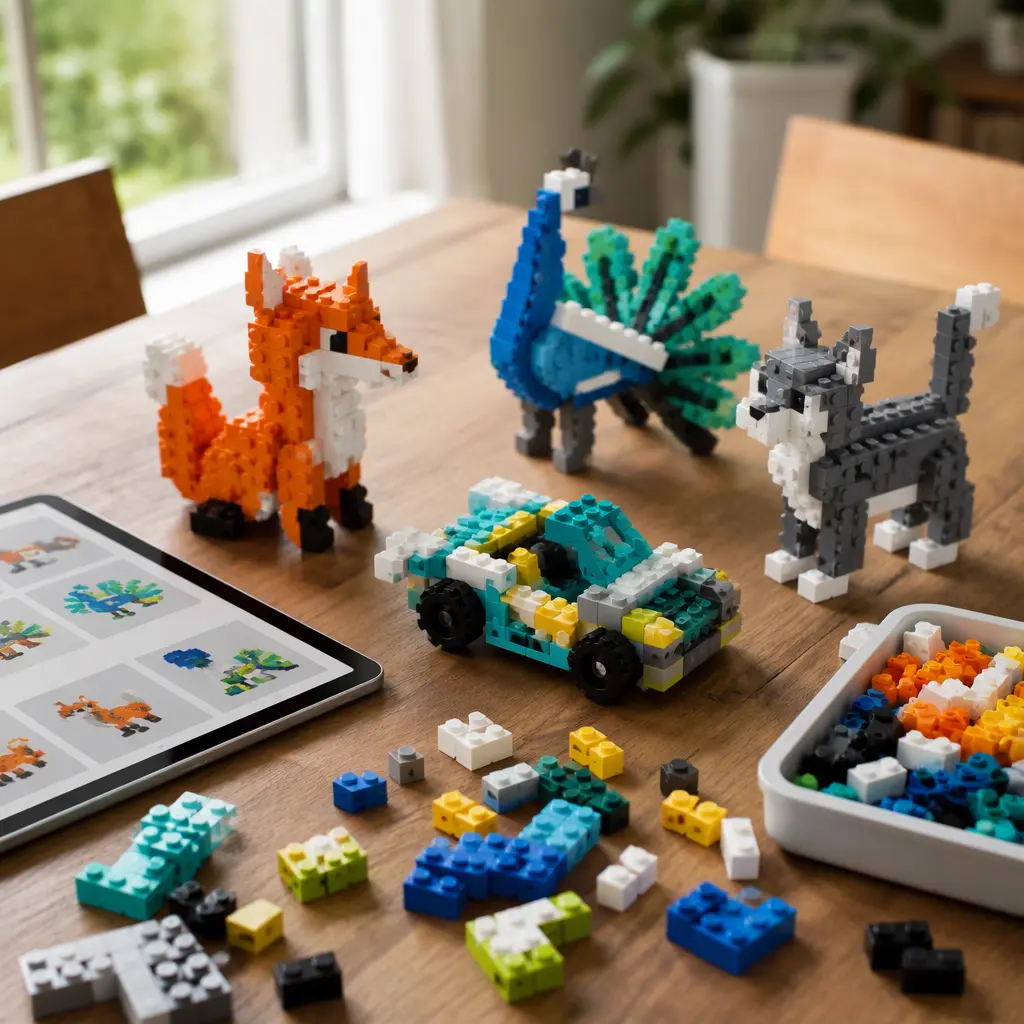
LegoGPT is not a traditional toy launch in the way most families think about building sets. Instead, it is an AI-assisted research project focused on generating buildable brick models from simple text prompts. The idea immediately drew attention because it combines two trends that have dominated recent conversations around toys and technology: generative AI and open-ended construction play. Researchers behind the project presented it as a system that could translate written ideas into physically stable brick builds, creating a bridge between digital creativity tools and hands-on construction. That combination has made LegoGPT interesting not only to hobbyists and educators, but also to parents, designers and technology observers asking how AI may shape creative play in the years ahead.
Where it came from
LegoGPT emerged from academic and technical research exploring whether generative AI systems could move beyond creating images and instead produce designs that work in the physical world. While image-generation systems can create convincing pictures of fantasy constructions, actual brick building introduces practical constraints. Pieces must connect correctly, support weight and follow real-world geometry. The project reportedly focused on solving those physical limitations so generated models could be assembled rather than remaining digital concepts only.
The timing also mattered. By 2025, generative AI tools had already spread into art software, writing assistants and coding platforms. Construction toys were a natural next step because brick systems already operate like a structured design language with clear rules and repeatable parts. LegoGPT attracted attention partly because it treated toy construction as an engineering problem instead of only a visual one. It also arrived during wider debates about how AI tools should interact with creative hobbies traditionally associated with imagination, problem-solving and personal experimentation.
Why it works
Part of LegoGPT's appeal is that it addresses a familiar challenge for builders of all ages: turning an idea into a workable model. Many people can imagine a spaceship, an animal or a fantasy structure but struggle to convert that image into stable brick geometry. AI-assisted systems attempt to shorten that gap by generating step-by-step structures or build plans from written prompts. In theory, that can lower the barrier for beginners while also giving experienced hobbyists unusual starting points for further customization.
The project also reflects why brick construction remains such a durable category. Traditional building toys encourage experimentation because there is rarely one correct outcome. LegoGPT extends that philosophy into software, where prompts become part of the creative process. The discussion around the project is therefore not only about automation, but also about collaboration between human ideas and machine-generated structure.
- Text-prompt generation designed to create physically buildable brick structures
- Focus on stability and real-world assembly rather than image-only concepts
- Potential use in education, rapid prototyping and creative brainstorming
- Combination of digital design tools with hands-on construction play
- Raises broader questions about authorship, originality and AI-assisted creativity
Who it's for
LegoGPT is primarily aimed at older children, teens, adult hobbyists and technology enthusiasts rather than very young builders. Because the system revolves around prompts, digital interfaces and construction planning, it fits best with users already comfortable using apps or computer-based creative tools. Adult LEGO fans and makers are especially likely to find the concept interesting because it overlaps with coding culture, engineering and custom model building. For classrooms and STEM programs, AI-assisted construction tools may eventually become useful demonstrations of design logic and structural thinking. Parents considering similar AI-connected tools should also remember that many projects in this category depend on cloud processing, internet access or companion software rather than functioning entirely offline.
Variants and what to look for today
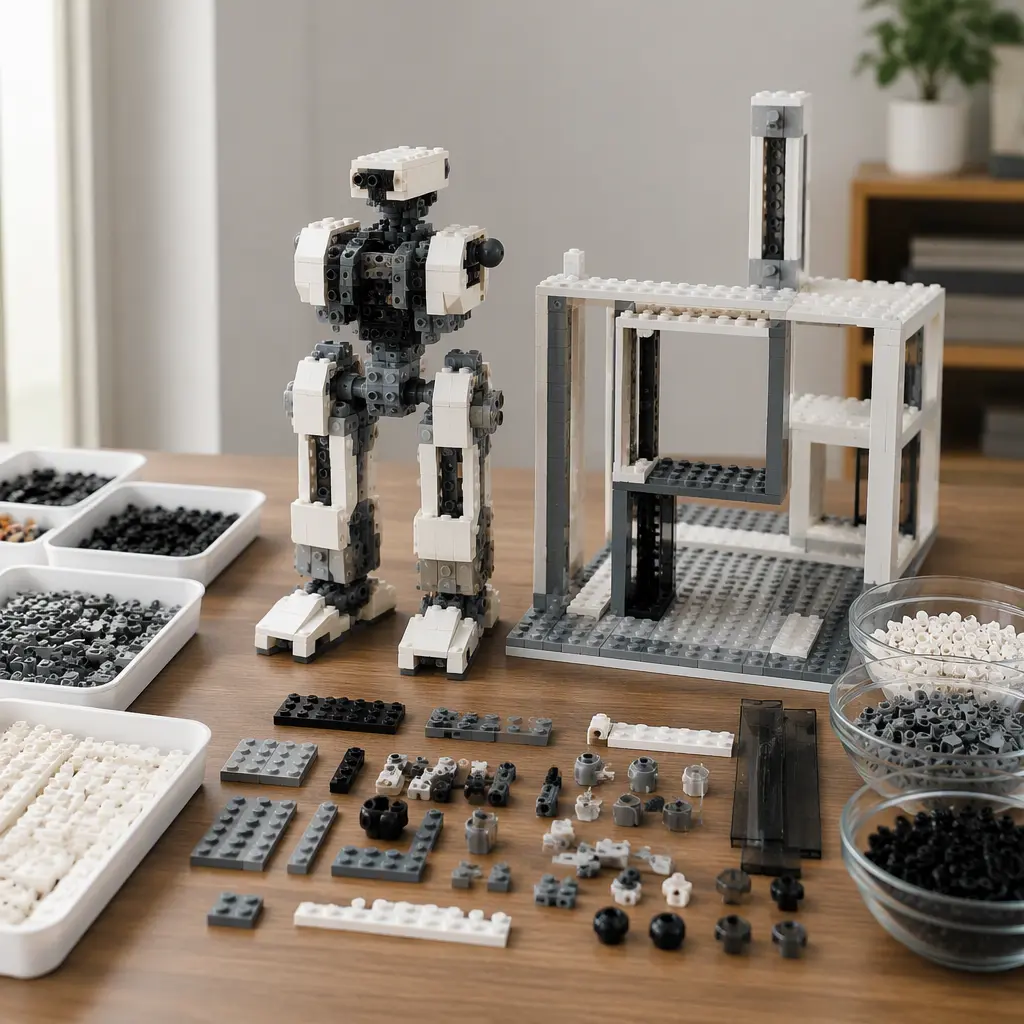
Because LegoGPT is a research-oriented concept rather than a mainstream boxed toy line, people exploring it today are more likely to encounter demonstrations, prototype systems, online discussions and experimental tools than a single retail product. Some AI-assisted brick generators focus on visual mockups, while others attempt to produce instructions or physically stable designs. The difference matters. A generated image may look convincing without being realistically buildable, so users interested in actual construction should look for systems that specifically mention stability testing, part constraints or assembly validation.
There is also a growing ecosystem of unofficial AI-assisted building software and fan-created tools inspired by similar ideas. As with many AI projects, quality varies widely. Some systems produce coherent structures while others generate impossible connections or impractical builds. Parents should pay attention to app permissions, cloud accounts and data-sharing policies when experimenting with AI-connected creative platforms. Since LEGO is a trademarked construction system, it is also worth distinguishing between officially licensed products and independent research projects that simply work with compatible brick concepts.
- Look for tools that emphasize buildability rather than image generation alone
- Check whether instructions can be exported or adjusted manually
- Expect some systems to require internet access or cloud processing
- Be cautious with unofficial downloads or platforms requesting unnecessary permissions
- Understand that AI-generated models may still require human adjustment during building
Frequently asked questions
Is LegoGPT an official LEGO product?
The name has been associated with a research-focused AI project rather than a traditional retail toy release. Coverage around it has generally centered on technical demonstrations and experimentation instead of a mass-market consumer product line.
Does LegoGPT actually build models automatically?
The system is designed to generate buildable model concepts from text prompts, but physical assembly still requires real bricks and human participation. Results can vary depending on the software, available parts and complexity of the design.
Why are people debating creativity and AI in construction toys?
Some people see AI-assisted design as a helpful brainstorming tool that expands access to creative building. Others worry that relying heavily on generated ideas could reduce personal experimentation or blur questions about ownership and originality. Similar debates are happening across art, music and digital design.
Are there privacy concerns with AI-assisted toy tools?
Potentially, yes. AI systems connected to apps or cloud services may collect prompts, usage information or account data. Families should review privacy settings, age guidance and account requirements carefully before using connected creative platforms with children.
Whether LegoGPT becomes a lasting influence or remains a snapshot of a particular AI moment, it has already succeeded in drawing attention to how construction play is evolving. The project highlights both the flexibility of brick-based creativity and the growing role software may play in shaping future hobbies. For some builders, AI-assisted generation represents a shortcut to ambitious ideas. For others, it raises important questions about how much of play should remain unpredictable, hands-on and entirely human-driven. Either way, LegoGPT sits at the center of a conversation that reaches far beyond toy shelves.