Melissa & Doug Doctor Kit: Pretend Play With a Real Purpose
The Melissa & Doug Doctor Kit turned a simple pretend medical bag into a familiar comfort tool for children, blending role-play, routine, and hands-on accessories that mirror real doctor visits.
Compare prices and availability
Check current prices and availability for this guide on eBay.
As an eBay Partner, we may be compensated if you make a purchase.
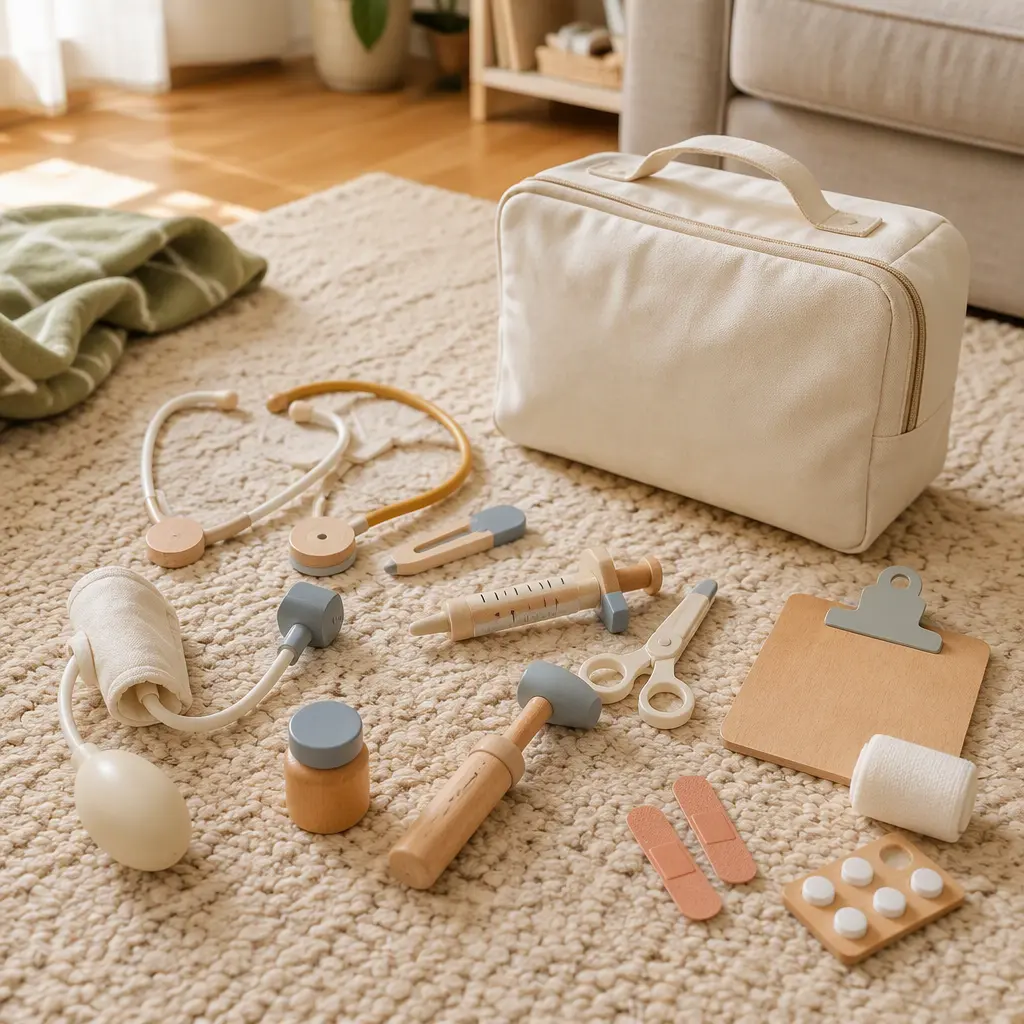
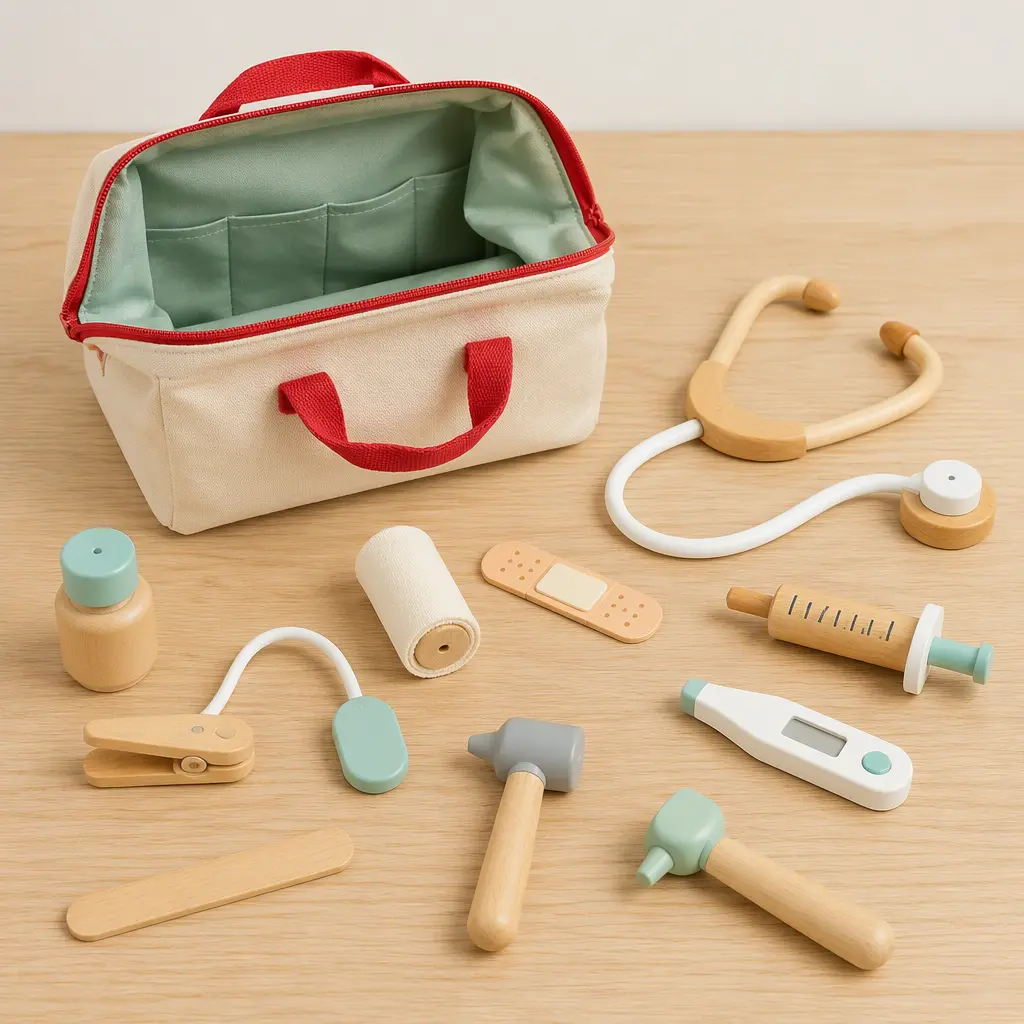
Few modern pretend-play toys have settled into family homes as quietly and consistently as the Melissa & Doug Doctor Kit. At first glance, it is a simple medical bag filled with child-safe versions of familiar tools: a stethoscope, thermometer, reflex hammer, syringe, and bandages. Its staying power comes from something more practical than novelty. For many children, especially preschoolers, doctor visits can feel mysterious or intimidating. A toy kit that lets them rehearse those routines at home turns unfamiliar experiences into something they can control, repeat, and understand through play.
Where it came from
Melissa & Doug emerged in the late 1980s and became closely associated with open-ended toys built around hands-on play rather than screens or electronics. By the early 2000s, the company had expanded into role-play sets designed to mirror everyday experiences children already recognized. The doctor kit fit naturally into that philosophy. Instead of turning medicine into a cartoon fantasy, it recreated familiar checkup routines in a gentle and approachable way.
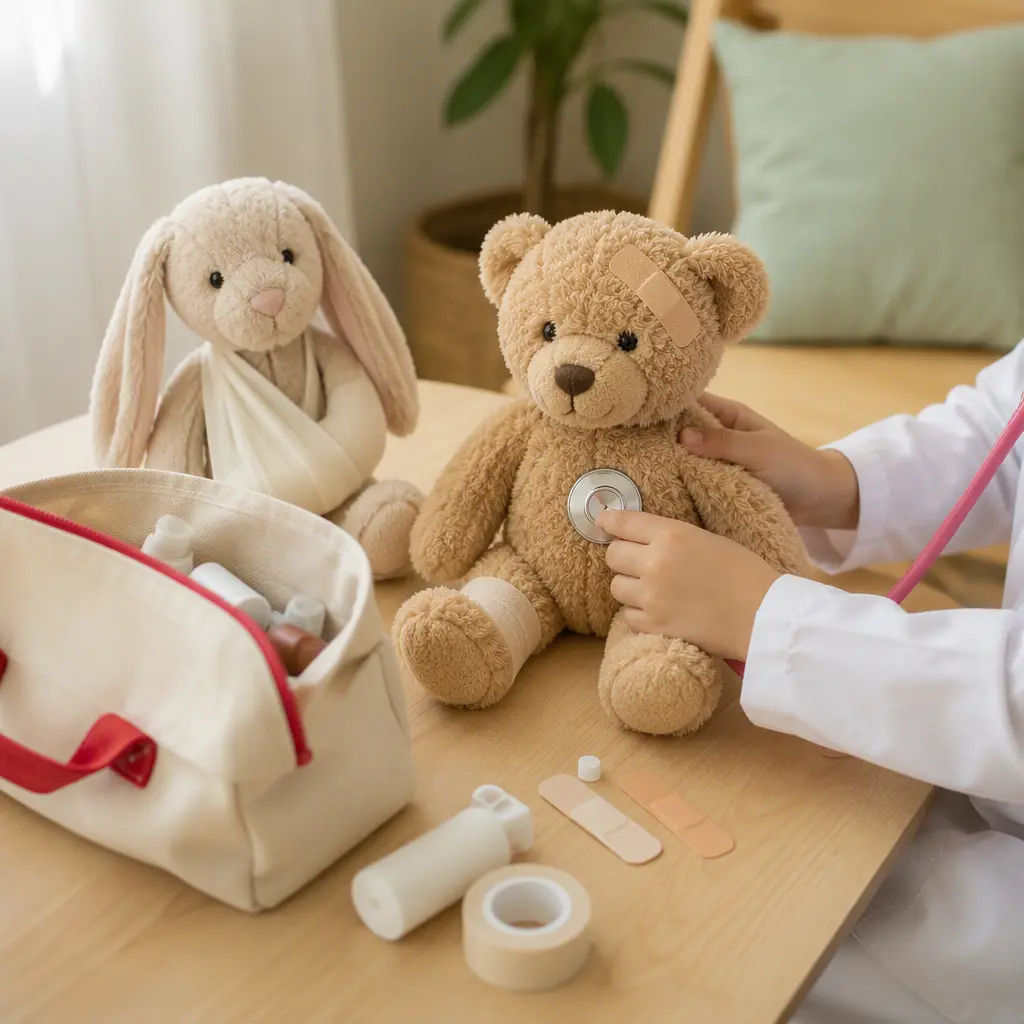
The timing mattered. Pediatricians, educators, and parents were increasingly talking about pretend play as a tool for emotional learning, not just entertainment. Children often process confusing events by reenacting them. A doctor kit gives them a script they can control. One moment they are the patient getting a shot; the next they are the doctor reassuring a stuffed animal. That role reversal helps many children build confidence around real appointments, especially when routines like listening to a heartbeat or checking ears become recognizable before they happen in a clinic.
Why it works
The design succeeds because it keeps the play pattern simple and readable. Each tool has an obvious purpose, even for younger children who cannot yet explain medical vocabulary. The stethoscope invites listening, the reflex hammer encourages movement, and the thermometer creates a clear sequence of checking and responding. Unlike heavily electronic toys that lead the interaction with sounds or scripted responses, this style of doctor kit leaves room for children to invent conversations and scenarios.
Another reason the set endured is the balance between realism and softness. The pieces are recognizable enough to mirror actual medical tools, but they are simplified and sized for small hands. Many versions combine wooden components with rounded edges and softer textures, which helps the set feel less clinical than real equipment. Parents also tend to appreciate that the pieces can be packed back into a carry bag rather than scattered across a playroom.
- Recognizable medical tools that mirror real-world routines
- Open-ended role play without screens or batteries
- Portable storage bag that encourages cleanup and travel play
- Durable materials designed for repeated handling
- Works well for solo play, sibling play, or parent-child interaction
Who it's for
The doctor kit is most commonly aimed at preschool and early elementary ages, when children are actively imitating adult routines and building social confidence. It works especially well for children preparing for checkups, vaccinations, or hospital visits because it gives them a chance to practice the sequence in a lower-pressure environment. At the same time, adults often use the set as a conversation starter. Parents, grandparents, teachers, and therapists frequently bring pretend medical toys into playrooms and classrooms because they encourage communication, empathy, and cooperative play rather than competition.
Variants and what to look for today
Over time, the broader category of pretend medical kits has expanded well beyond the original basic bag. Some modern sets include dental tools, x-ray cards, reusable patient charts, or costumes like lab coats and masks. Others focus on softer toddler-safe materials or larger accessories for classroom environments. Melissa & Doug itself has refreshed materials and packaging over the years while keeping the core idea recognizable.
When shopping today, durability matters more than sheer piece count. A smaller set with sturdy components often lasts longer than oversized kits filled with thin plastic accessories. It is also worth checking how the tools are stored. Carry cases, fabric bags, or trays make a major difference in whether the set stays usable over time. Generic pretend medical kits vary widely in quality, so parents often look for rounded edges, securely attached parts, and materials that can handle repeated cleaning.
- Basic doctor bags for preschool pretend play
- Wood-heavy versions with classic toy styling
- Soft toddler-safe medical sets with fewer small pieces
- Expanded healthcare-themed kits including dental or veterinarian tools
- Classroom-oriented sets designed for group role play
Frequently asked questions
Why do children enjoy doctor toys so much?
Pretend medical play combines curiosity, imitation, and control. Children encounter doctors early in life, but they do not always understand what is happening during appointments. Acting out those routines helps them process the experience in a safe setting.
Are doctor kits educational?
They can support several developmental skills at once. Children practice communication, sequencing, empathy, and imaginative storytelling while also becoming familiar with basic healthcare routines and vocabulary.
What age works best for a pretend doctor kit?
Most children become interested between ages three and six, though simplified versions exist for younger toddlers. Older children sometimes continue using them in more elaborate pretend-play scenarios with siblings or friends.
Do modern versions still use wood?
Many do, especially brands focused on classic hands-on toys. However, newer kits often mix wood, fabric, and molded plastic to balance durability, safety, and realistic details.
The Melissa & Doug Doctor Kit became a modern staple not because it was flashy, but because it addressed something familiar in family life. It gave children a way to explore routines that can otherwise feel uncertain, while still functioning as a flexible pretend-play toy. Years after its introduction, the appeal remains surprisingly steady: a small medical bag, a handful of recognizable tools, and enough imagination to turn worry into play.