MGA’s LankyBox Kitchen Lab and the Rise of Creator Toys
MGA’s LankyBox Kitchen Lab reflects a growing trend in creator-led toy design, blending YouTube fandom with hands-on science activities aimed at holiday family play.
Compare prices and availability
Check current prices and availability for this guide on eBay.
As an eBay Partner, we may be compensated if you make a purchase.
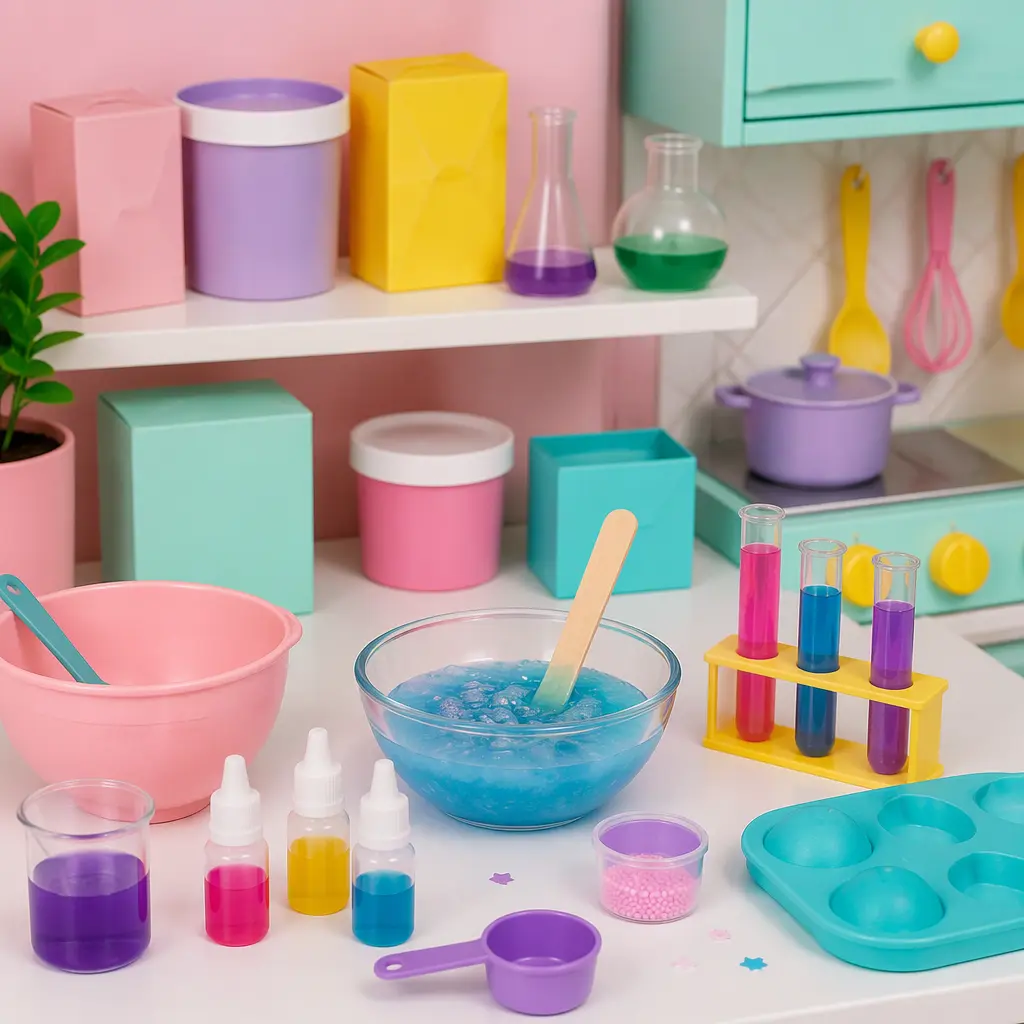
MGA’s LankyBox Kitchen Lab arrives at a moment when toy companies are increasingly looking to internet creators as the next generation of entertainment brands. Built around the hugely popular LankyBox YouTube channel, the set combines pretend cooking, simple science-style activities and collectible-style presentation into a toy designed for children who already know the creators from screens. The larger trend is difficult to miss: instead of adapting movies or television shows into toys, manufacturers are now turning online fandom into physical play experiences aimed at birthdays and the holiday season.
Where it came from
LankyBox grew from YouTube reaction videos and comedy skits into one of the platform’s largest child-focused creator brands, especially among elementary-school viewers. As creator-led merchandise evolved beyond T-shirts and plush toys, larger toy makers began exploring how internet personalities could anchor full toy lines. MGA Entertainment, already known for collectible and social-media-driven brands, became one of several companies leaning into that shift.
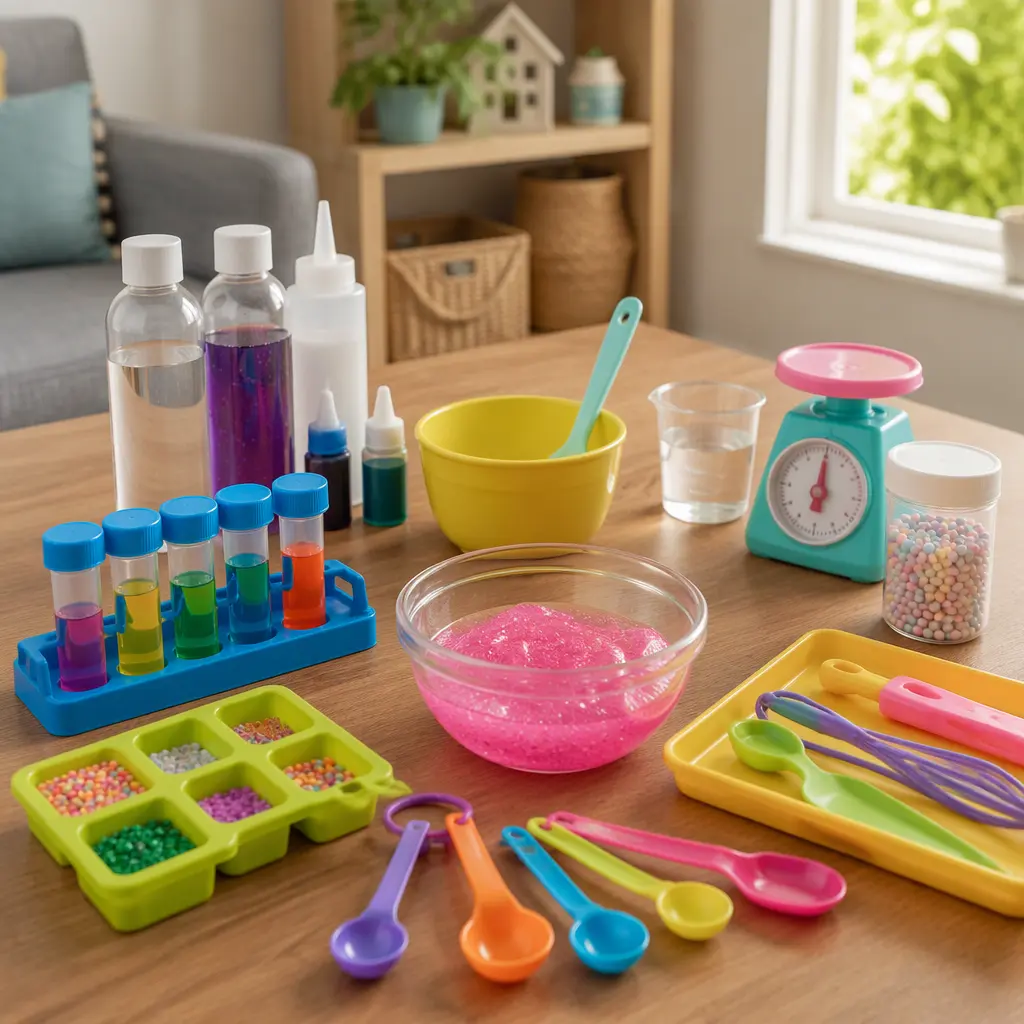
Kitchen Lab reflects a broader category that mixes craft kits, sensory play and light science activities with recognizable online branding. Rather than presenting itself as a classroom science set, the toy positions experimentation as part of fandom play. That distinction matters in today’s toy market. Many children encounter the brand first through videos, jokes and recurring characters online, then carry that familiarity into physical products that encourage mixing, decorating or pretend cooking activities away from the screen.
Why it works
The appeal of creator-driven kits like Kitchen Lab comes from combining recognizable personalities with open-ended activity play. Traditional chemistry sets often emphasize experiments and instructions, while pretend kitchens focus on role-play. Hybrid products try to meet somewhere in the middle by turning sensory activities into social entertainment. Bright colors, exaggerated accessories and collectible-style components are designed to feel visually similar to the fast-paced style children already associate with creator videos.
There is also a practical retail reason these products continue appearing. Parents shopping for gifts often recognize that hands-on kits can pull children away from passive viewing for stretches of time, even when the original draw is a digital personality. The toy industry has spent years searching for products that bridge online attention and offline engagement, and creator-linked activity sets are one answer to that challenge.
- Combines pretend cooking and simple experiment-style play
- Built around an established YouTube creator brand familiar to children
- Designed for tactile, mix-and-make activities rather than display
- Bright social-media-inspired presentation aimed at group play and reactions
- Fits into the growing category of creator-led toys and collectibles
Who it's for
Kitchen Lab is primarily aimed at children already familiar with LankyBox videos, especially younger elementary-age fans drawn to colorful humor and sensory-style activities. Like many contemporary craft and experiment kits, it is likely to appeal most during supervised family play or playdates where children can share reactions and compare creations. Adult interest may come less from collecting and more from curiosity about how online entertainment brands are reshaping the toy aisle. For some parents, the toy may also represent a compromise between screen-driven interests and more physical, tabletop activity.
Variants and what to look for today
Creator-led toy lines often expand quickly once a brand gains traction at retail. In the case of LankyBox products, the wider range has already included plush toys, mystery-style collectibles and activity-focused items. Kitchen Lab fits into that broader ecosystem rather than standing entirely alone, which means shoppers may encounter bundled sets, themed accessories or companion products tied to the same online brand identity.
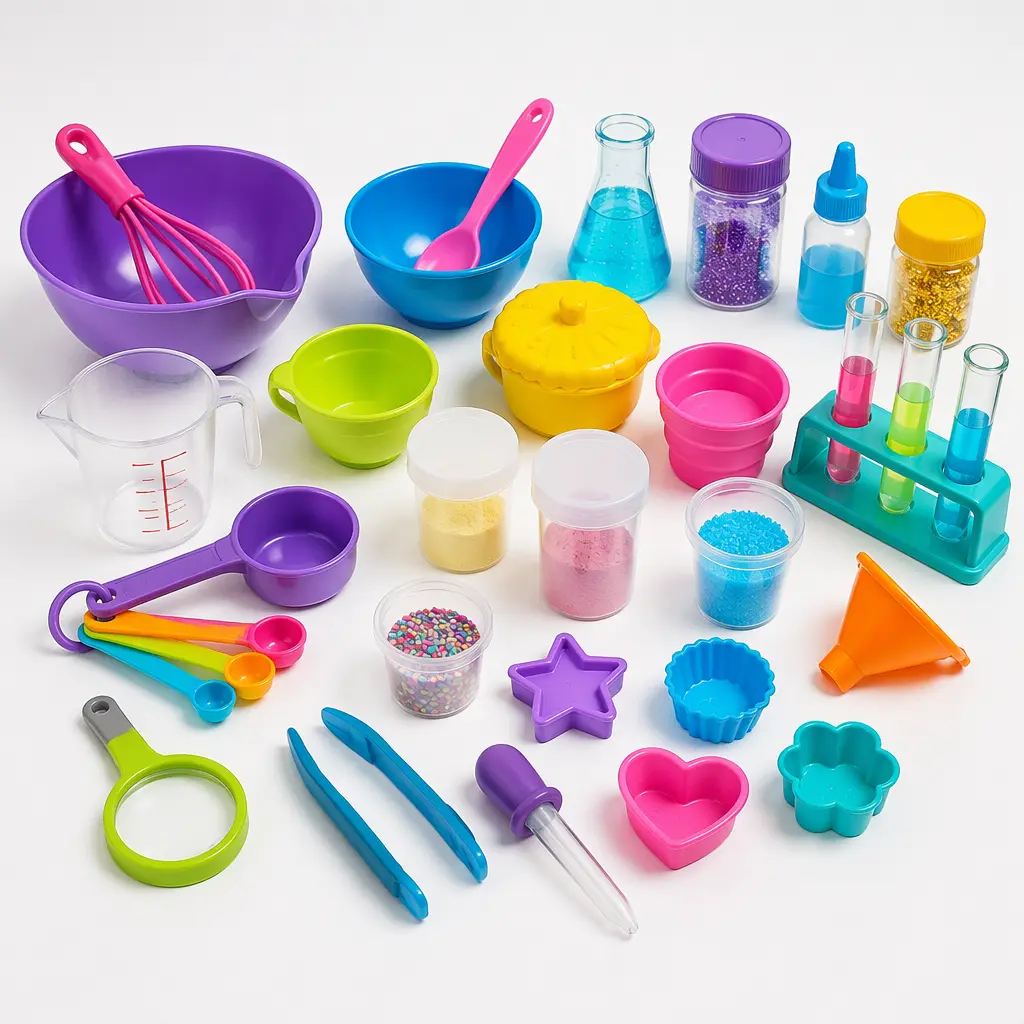
Parents and gift buyers shopping in this category should pay attention to what kind of activity a kit actually supports. Some products lean heavily toward collectibles and unboxing-style surprises, while others include more substantial craft or experiment components. Packaging photography can sometimes emphasize reactions and personalities more than the actual hands-on materials inside, so checking retailer descriptions for included tools or refill needs can help avoid confusion.
- Look for age guidance and supervision recommendations before buying
- Check whether refill materials or household ingredients may be required
- Consider cleanup needs for slime, powders or sensory compounds
- Compare larger activity sets with smaller companion kits in the same line
- Buy from established retailers to reduce the chance of counterfeit accessories or incomplete sets
Frequently asked questions
Is Kitchen Lab a real science kit?
It sits closer to the modern activity-kit category than to a traditional educational chemistry set. The emphasis is generally on sensory play, mixing activities and creator-themed entertainment rather than formal science instruction.
Does it require an app or internet connection?
Physical creator toys vary widely, but many activity kits are designed to function offline once opened. Online videos and creator content may enhance familiarity with the brand, though the hands-on activities themselves are typically tabletop play experiences.
Why are YouTubers appearing in toy aisles now?
For many children, online creators have become entertainment brands comparable to television franchises of earlier generations. Toy companies increasingly view popular channels and streaming personalities as long-term licensing opportunities that already come with built-in audiences.
Are creator-led toys replacing traditional brands?
Not entirely. Instead, they are expanding the kinds of intellectual property toy companies pursue. Movie tie-ins, dolls and classic games remain major parts of the industry, but creator products add another category shaped by internet culture and fast-moving trends.
Whether Kitchen Lab becomes a long-running toy line or a snapshot of a specific internet moment, it illustrates how dramatically children’s entertainment has changed in the streaming era. Toys tied to creators are no longer novelty items on the edge of retail shelves. They are increasingly positioned as major holiday products designed to transform digital fandom into tactile, social and camera-ready play at home.