Micro Machines: How tiny cars fueled big imaginations
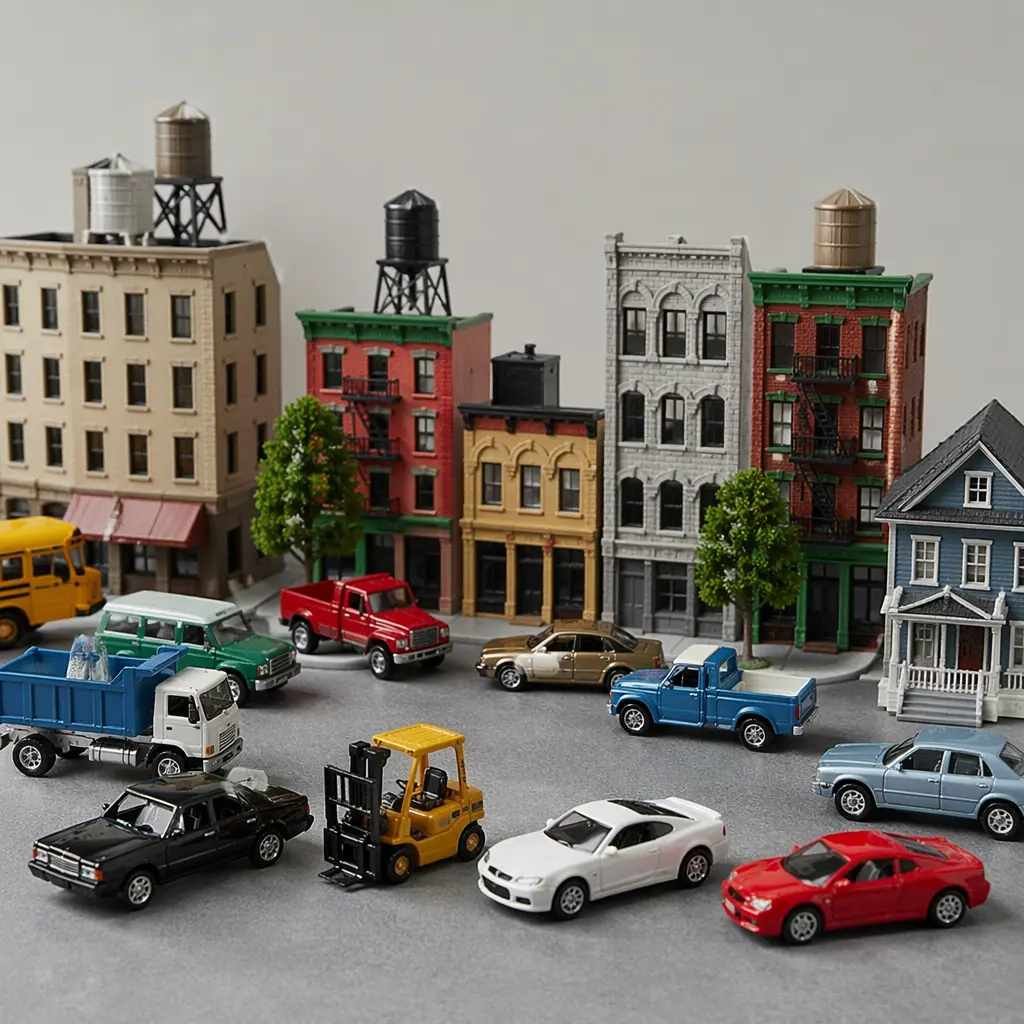
Born in the 1980s, Micro Machines turned palm-sized vehicles into sprawling worlds. Their detail, scale, and portability helped them become a defining pretend-play toy of a generation.
Compare prices and availability
Check current prices and availability for this guide on eBay.
As an eBay Partner, we may be compensated if you make a purchase.
Micro Machines were proof that toys didn’t have to be big to feel enormous. These tiny die-cast vehicles, small enough to fit several in a pocket, let kids carry entire worlds with them. In the 1980s and ’90s, they became a staple of bedrooms, school bags, and living room floors, offering a style of pretend play that was fast, flexible, and limited only by imagination.
Where it came from
Micro Machines were introduced in 1986 by Galoob, a toy company known for finding fresh twists on familiar ideas. At the time, small die-cast cars already existed, but Galoob pushed the concept further by shrinking vehicles to an extreme scale while keeping impressive detail. The result was something that felt new, even though it was built on a classic toy category.
The original idea was simple: make vehicles so small and affordable that kids could collect dozens. Instead of owning one prized car, a child could own a fleet. This approach fit perfectly with the fast-paced, collection-driven toy culture of the late 1980s and helped Micro Machines stand out on crowded toy shelves.
Why it works
The magic of Micro Machines lies in their scale. Because they’re so small, a normal tabletop becomes a highway, and a shoebox can transform into a garage. Kids don’t need large playsets to get started, though playsets later became a big part of the brand’s appeal. The toys encourage quick storytelling: cars race, crash, park, and disappear just as quickly as ideas form.
Design-wise, the vehicles balance durability with detail. They’re sturdy enough to survive being dropped, yet detailed enough to feel realistic at arm’s length. Standout features include:
- Ultra-small size that allows large collections
- Wide variety of vehicle types, from everyday cars to emergency and military-style vehicles
- Playsets that fold or transform, turning ordinary objects into miniature worlds
- Simple, open-ended play with no rules or batteries
Who it’s for
Originally aimed at school-age kids, Micro Machines also appealed strongly to older children and adults. Younger kids loved the simplicity and toughness, while older kids enjoyed organizing, sorting, and building elaborate setups. Today, many adults revisit Micro Machines through nostalgia, either sharing them with their own children or collecting them as reminders of a pre-digital style of play.
Variants and what to look for today
Over the years, Micro Machines expanded far beyond basic cars. There were themed sets, vehicle collections, and transforming playsets that looked like everyday objects when closed. Some focused on realism, while others leaned into fantasy or action themes. This variety kept the line feeling fresh through the late 1980s and 1990s.
If you’re looking for Micro Machines today, you’ll find a mix of reissues and vintage-style sets. Pay attention to build quality and scale consistency if you’re mixing sets. Generic knock-offs often miss the fine detail or durable feel that made the originals special. For kids, newer versions are usually the safest and most practical choice, while vintage pieces are better suited to collectors.
Frequently asked questions
What made Micro Machines different from other toy cars?
Their extreme small scale and focus on collectability set them apart. Kids could own dozens of vehicles without needing much space, which encouraged bigger stories and setups.
Are Micro Machines still suitable for kids today?
Yes, for older children. The toys are simple, durable, and encourage imaginative play, but their small size means they’re best for kids who are past the toddler stage.
Do you need playsets to enjoy them?
Not at all. One of their strengths is that everyday surfaces become part of the play. Playsets add structure, but they’re optional.
Why do adults still care about Micro Machines?
For many, they’re a strong nostalgia trigger. They represent a time when play was portable, imaginative, and largely screen-free.
Micro Machines endure because they respected kids’ imaginations. By staying small, simple, and open-ended, they proved that a toy doesn’t need complexity to create rich play. Sometimes, the smallest toys leave the biggest impressions.