Monster High and the Rise of Stylish Misfits
Launched in 2010, Monster High combined fashion dolls with monster-inspired storytelling and a message about individuality, changing how many kids saw “different” represented in the toy aisle.
Compare prices and availability
Check current prices and availability for this guide on eBay.
As an eBay Partner, we may be compensated if you make a purchase.
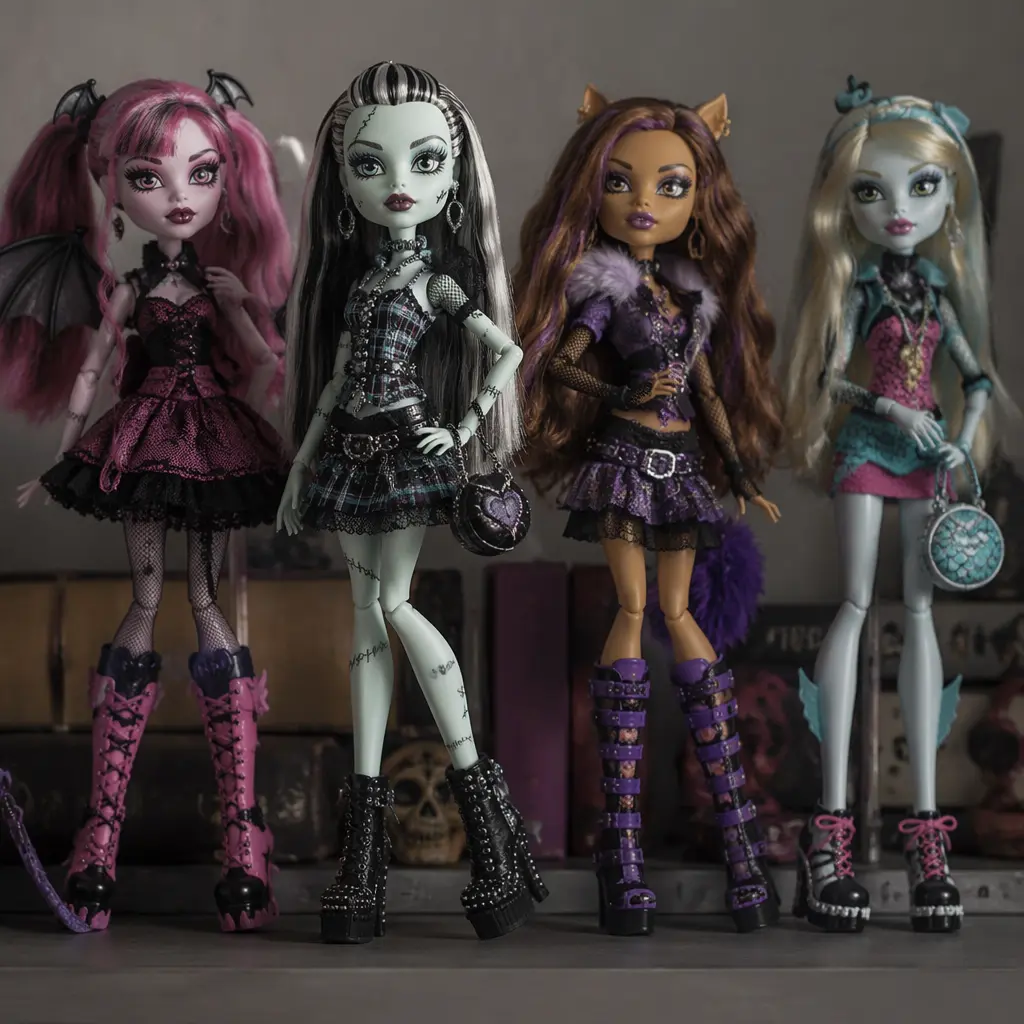
When Monster High arrived in 2010, the line stood out immediately from the polished pink look that had dominated much of the fashion doll aisle. These dolls borrowed from classic monster movies, gothic fashion, teen drama and high-school comedy, then mixed everything into a brightly colored world where vampires, werewolves and sea creatures worried about friendships, style and fitting in. The result was unusual for a mainstream toy line: a brand that leaned into oddness instead of smoothing it away. For many kids, Monster High became less about horror themes and more about identity, creativity and self-expression.
Where it came from
Monster High was introduced by Mattel in 2010 during a period when toy companies were looking for stronger storytelling around dolls and collectibles. The line was developed with a mix of fashion design, animated media and character-driven worldbuilding. Instead of presenting dolls as blank fashion models, Monster High attached each character to a recognizable monster tradition. There were children of vampires, mummies, sea monsters and other creatures inspired by decades of horror fiction and mythology.
The timing mattered. By the late 2000s, children’s entertainment was increasingly shaped by interconnected media franchises, online videos and social fandoms. Monster High launched not only with dolls, but also web animation, books, character biographies and themed accessories. The fictional school setting gave the brand room to introduce dozens of personalities with different aesthetics and social dynamics. Its central message — often summarized through themes of embracing imperfections and celebrating uniqueness — helped it connect with children who did not always see themselves reflected in more traditional toy lines.
Why it works
The core design idea behind Monster High was surprisingly flexible. The dolls combined recognizable fashion-doll proportions with details pulled from monster imagery: stitched patterns, skeletal motifs, scales, fangs, mismatched fabrics and dramatic makeup. Yet the overall tone stayed playful rather than frightening. That balance made the line accessible to younger audiences while still feeling slightly rebellious compared to more conventional dolls.
The brand also succeeded because each character had a distinct visual identity. Hairstyles, color palettes and accessories were tied closely to fictional backgrounds and personalities. Kids could choose favorites based on style, story or emotional connection rather than simply selecting between outfit changes. Collectors later appreciated how the line treated fashion design almost like costume worldbuilding, with layered textures and detailed accessories uncommon in many mass-market dolls of the time.
- Monster-inspired fashion themes blended with bright, approachable styling
- Strong character backstories connected to animation and online media
- Detailed clothing and accessories designed around each character’s identity
- A school setting that supported ongoing storytelling and collectible expansion
- Appeal to both children and adult collectors interested in alternative fashion aesthetics
Who it's for
Monster High was primarily aimed at school-age children who enjoyed imaginative play, fashion styling and character-based storytelling. The slightly spooky themes generally landed closer to fantasy comedy than horror, making the line approachable for many families. At the same time, the dolls built a large adult collector audience. Some collectors were drawn to the early design era, while others appreciated the broader cultural shift the line represented. Monster High arrived at a moment when toys were beginning to offer more room for unconventional beauty standards, eccentric personalities and nontraditional fashion influences.
Variants and what to look for today
Over the years, Monster High has gone through several design eras and relaunches. Early releases from the 2010s are especially associated with the brand’s original gothic-inspired look, narrow silhouettes and highly detailed outfits. Later versions adjusted proportions, colors and styling to appeal to changing audiences and retail trends. More recent releases often blend the original concept with softer styling and broader play features.
For collectors or parents shopping today, condition and authenticity matter more than rarity claims. Older dolls may be missing small accessories, shoes or stands, which can affect both display value and play experience. Hair condition is another common issue in secondhand finds. Newer releases are usually easier for children to handle and replace if parts are lost, while older editions are often purchased mainly for collecting or nostalgia.
- Original-era dolls are often valued for intricate fashion details and darker styling
- Recent releases tend to emphasize durability, articulation and updated character interpretations
- Secondhand dolls should be checked for loose joints, damaged hair and missing accessories
- Generic imitation dolls may copy the aesthetic without matching the build quality or articulation
- Collectors often focus on complete outfits and accessories rather than sealed packaging alone
Frequently asked questions
Was Monster High meant to be scary?
Not really. The line borrowed visual ideas from classic monsters, but the overall tone was comedic, dramatic and fashion-focused rather than frightening. Most stories centered on friendships, school life and individuality.
Why did the dolls become collectible?
Collectors responded to the strong character designs, detailed outfits and relatively short production windows for certain releases. Nostalgia from people who grew up with the brand also helped fuel continued interest.
Are newer Monster High dolls different from the originals?
Yes. Different generations of the line have used updated body designs, color palettes and storytelling approaches. Some fans prefer the early gothic-inspired style, while others like the more modern and expressive redesigns.
Do Monster High dolls still matter culturally?
The line remains notable because it expanded what mainstream fashion dolls could look like. It showed that unusual aesthetics, quirky personalities and themes of outsider identity could succeed commercially with a wide audience.
More than a decade after its debut, Monster High still represents a turning point in modern toy design. It proved that children’s products could embrace strange influences, darker fashion cues and unconventional characters without losing mainstream appeal. Whether viewed as a collectible phenomenon, a fashion experiment or a toy-box favorite, the line helped make individuality feel more visible in the toy aisle.