Ms. Rachel Speak & Sing Doll and the Rise of Screen-Age Plush
The Ms. Rachel Speak & Sing Doll turns a popular preschool video personality into an interactive plush toy, blending familiar songs and phrases with simple button-based play for young children.
Compare prices and availability
Check current prices and availability for this guide on eBay.
As an eBay Partner, we may be compensated if you make a purchase.
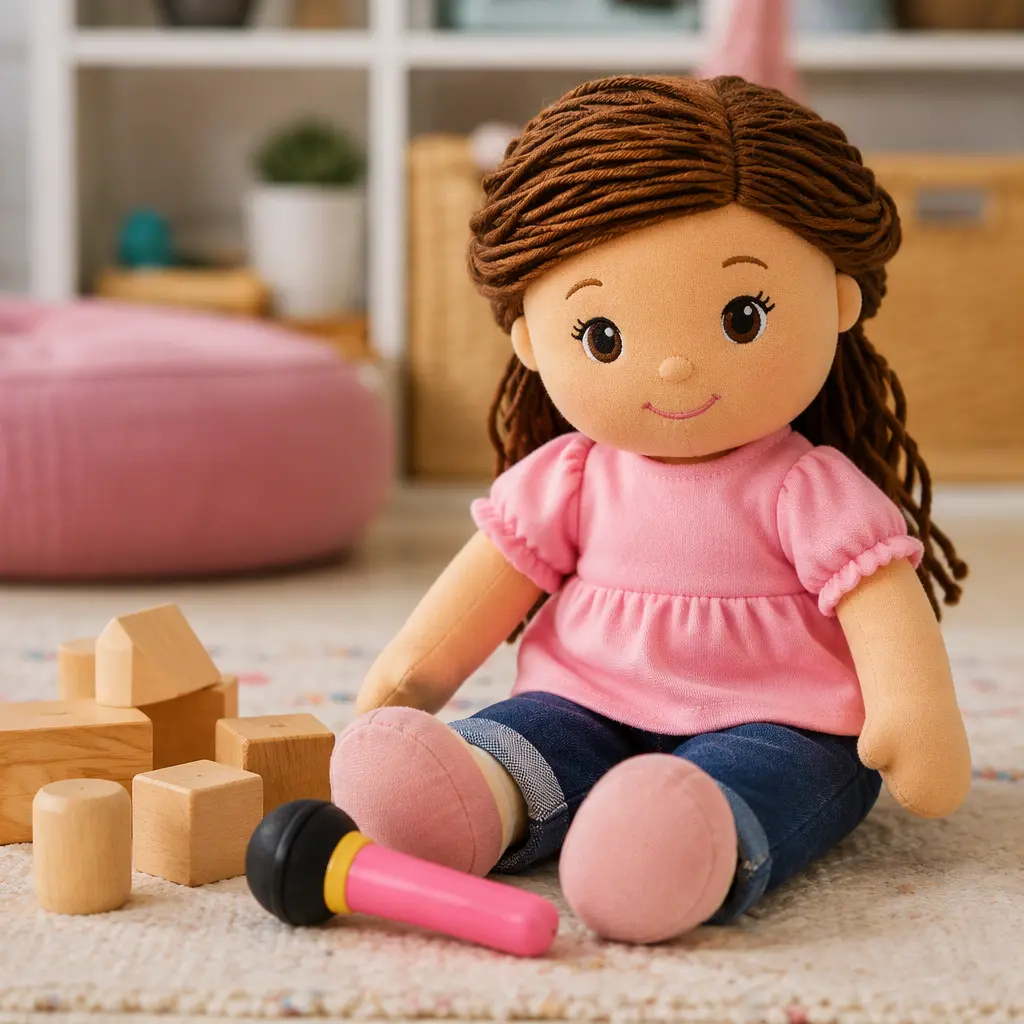
The Ms. Rachel Speak & Sing Doll arrived at a moment when children’s entertainment was already shifting away from traditional TV mascots and toward streaming-era personalities. Built around the hugely popular educator and performer known for songs, speech repetition and early language routines, the toy turns a familiar screen presence into a huggable interactive plush. For many families, that familiarity is the point: preschoolers who recognize the voice and songs can continue the experience away from a phone or tablet, while parents get a toy designed around simple audio interaction rather than a fully connected device.
Where it came from
Ms. Rachel became widely known through online preschool videos focused on speech development, songs, repetition and early communication skills. Her programming grew through streaming platforms and social video sharing rather than through the older route of network television or theatrical animation. That matters because the toy reflects a different kind of children’s brand-building: one driven by parent recommendations, algorithm-heavy viewing habits and repeat engagement from toddlers who return to familiar songs and routines.
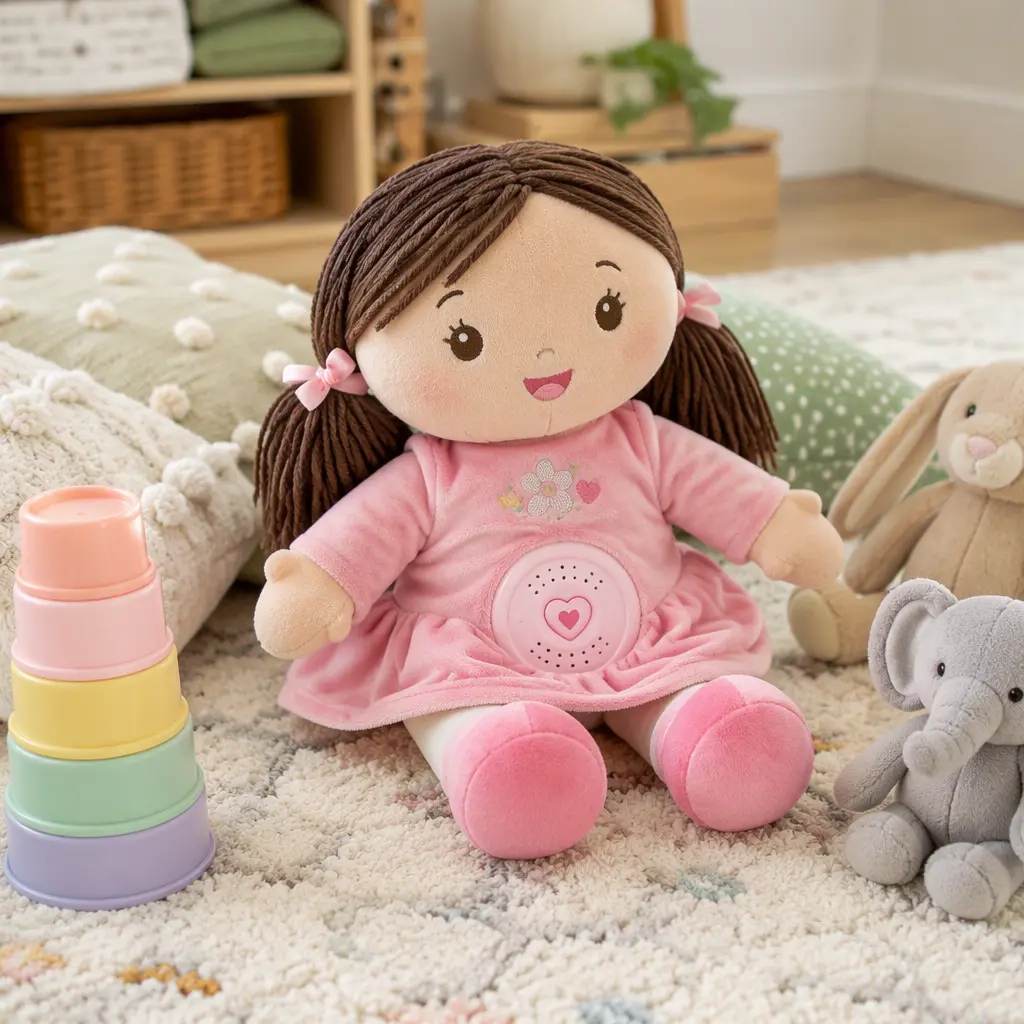
The Speak & Sing Doll launched as part of a broader wave of toys tied to digital-first creators. Unlike many licensed plush toys that simply reproduce a character’s appearance, this one leans heavily on audio interaction. The design centers on recognizable phrases, musical snippets and prompted responses associated with the onscreen personality. It is closer in spirit to earlier talking dolls and preschool learning toys than to app-connected gadgets, even though its popularity comes from a modern streaming audience.
Why it works
The appeal is partly emotional and partly practical. Preschool children often enjoy repetition, predictable phrasing and familiar songs, and the doll is built around those patterns. Large button-driven controls are generally easier for toddlers to understand than touchscreens or complicated menus, and soft plush construction keeps the toy approachable for younger children who may already sleep with stuffed animals or carry comfort objects around the house.
Another reason the toy gained attention is that it occupies a middle ground between passive media and imaginative play. The doll can repeat speech and songs associated with the videos, but it also functions as a standard plush toy once the audio features are turned off. That gives it broader usefulness than some heavily electronic preschool toys that lose appeal when batteries run down or novelty fades.
- Interactive speech and singing features tied to recognizable preschool routines
- Soft plush construction intended for hugging and pretend play
- Simple push-button controls designed for younger children
- Battery-powered audio instead of requiring constant app connectivity
- Familiar songs and phrases that encourage repetition and participation
Who it's for
The Speak & Sing Doll is aimed primarily at preschool-age children who already recognize Ms. Rachel from videos and music content. Younger toddlers may enjoy the songs and soft textures, though interactive toys with sound features are usually most effective once children can intentionally press buttons and connect phrases with actions. Adult collectors are not the core audience here, but the toy has also become a cultural marker for parents navigating screen-heavy early childhood routines. Some families see it as a way to extend a favorite educational personality into offline play, while others treat it as a comfort item linked to familiar bedtime or learning rituals.
Variants and what to look for today
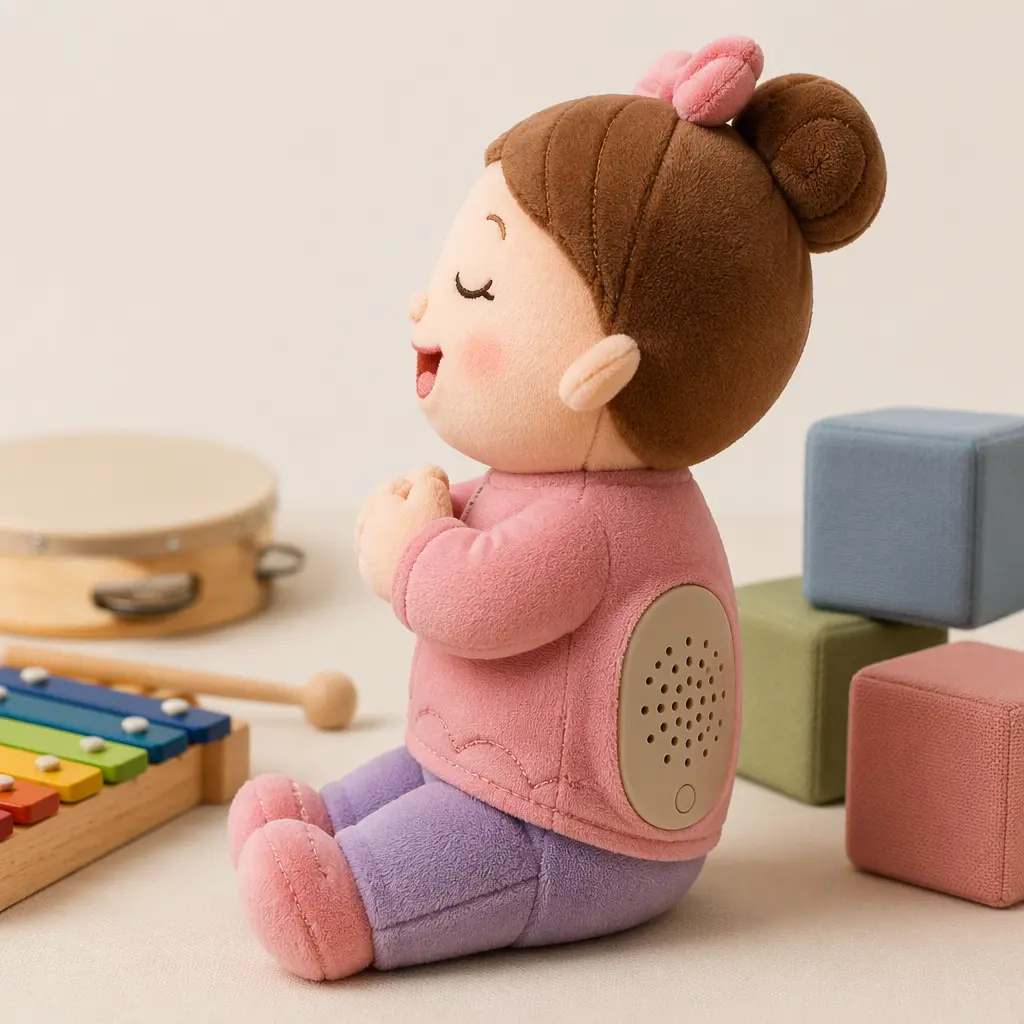
As with many successful preschool toys, the market quickly expanded beyond the initial release. Shoppers may encounter different versions of interactive plush dolls tied to songs, speech prompts or bedtime routines. Retail listings can vary by included phrases, packaging or accessory sets, so it helps to read manufacturer descriptions carefully rather than assuming every version has the same audio content.
Parents should also pay attention to practical details that matter more in everyday use than in marketing photos. Battery access, volume levels and washable components can make a significant difference once the toy becomes part of daily routines. Because this is an audio-focused plush, replacement batteries are an ongoing consideration. Some versions may include try-me demo batteries for store shelves that are weaker than standard household replacements.
- Check whether batteries are included or only installed for in-store demonstration
- Look for clear volume controls if the toy will be used in shared spaces
- Buy from established retailers to avoid low-quality imitation plush toys
- Review cleaning instructions before regular bedtime use
- Confirm regional language support and phrase sets where applicable
Frequently asked questions
Does the doll require Wi-Fi or an app?
The Speak & Sing Doll is generally positioned as a self-contained interactive plush rather than a cloud-connected smart toy. Its core speech and song features operate through built-in electronics and batteries instead of requiring continuous internet access.
Is it educational or mainly entertainment?
The toy borrows heavily from preschool learning routines associated with Ms. Rachel’s videos, including repetition, songs and simple verbal prompts. However, it is still primarily a toy rather than a formal educational device, and its effectiveness depends largely on how children engage with it during play.
How long do the batteries usually last?
Battery life depends on how often the sound features are used and whether the toy is left switched on between play sessions. Interactive plush toys with frequent audio playback typically require periodic battery replacement during regular use.
Why did this toy become so popular?
Its popularity reflects the unusually strong connection many preschoolers formed with streaming-based children’s personalities during the early 2020s. The doll translates that recognition into a physical object children can carry, hug and interact with away from a screen.
The Ms. Rachel Speak & Sing Doll represents a newer chapter in children’s toys: products shaped as much by streaming habits and parent communities as by traditional toy aisles or television advertising. Its success shows how quickly digital-first preschool personalities can become part of everyday family routines. At the same time, the toy remains grounded in familiar ideas that have driven children’s products for decades — recognizable voices, repeatable songs, soft textures and simple interaction that feels comforting to young kids.