How the Pixar-Inspired Luxo Ball Became a Design Icon
A simple yellow ball with a blue stripe and red star pattern became one of animation’s most recognizable toy designs, bridging film culture, childhood nostalgia, and collectible play.
Compare prices and availability
Check current prices and availability for this guide on eBay.
As an eBay Partner, we may be compensated if you make a purchase.
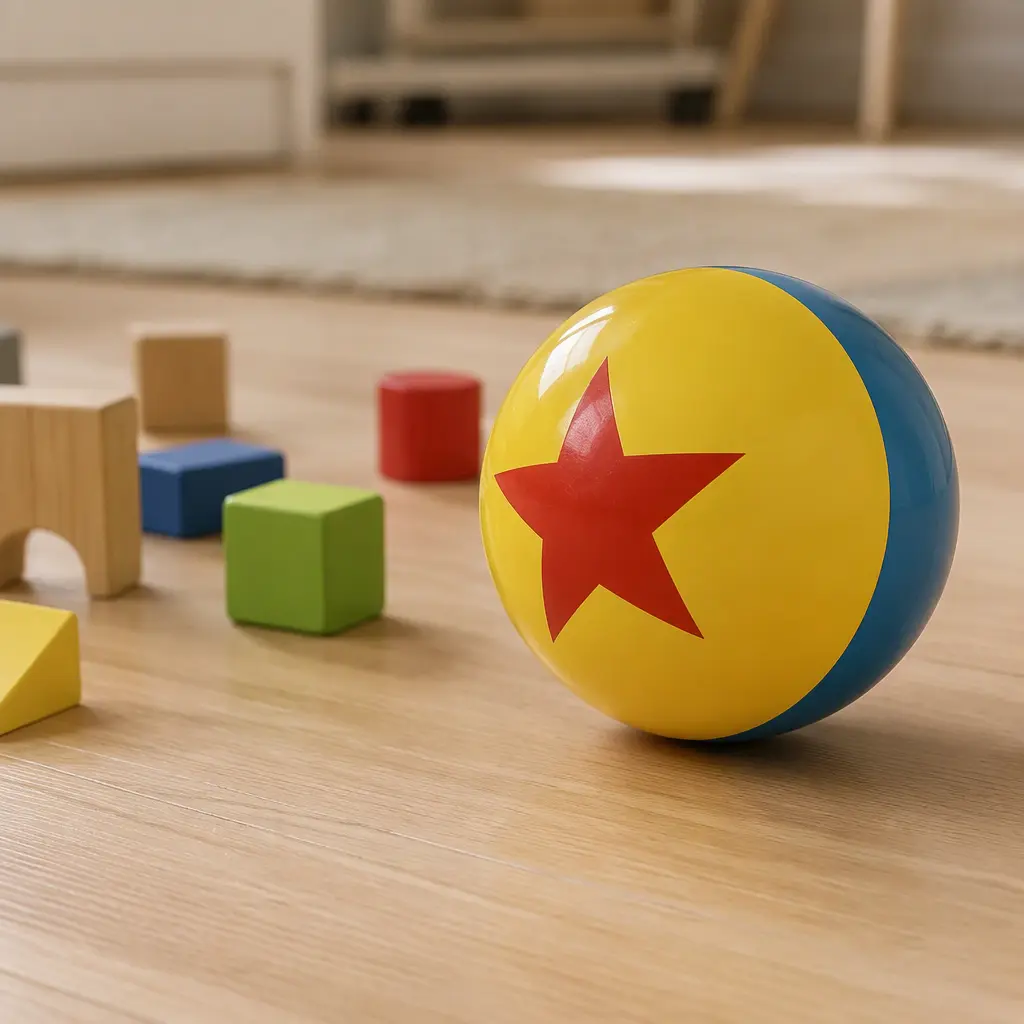
Few toy designs are recognized as quickly as the bright yellow ball with a blue stripe and red star pattern commonly associated with Pixar animation. Even people who cannot name the toy often recognize it immediately from film intros, posters, theme parks, and children’s rooms. What makes the ball unusual is that it was never originally marketed as a major standalone toy franchise. Instead, it became an icon through repetition, visual simplicity, and emotional association with family entertainment. Over time, the design moved from a background prop in animation into real-world toy aisles, collector shelves, and playrooms.
Where it came from
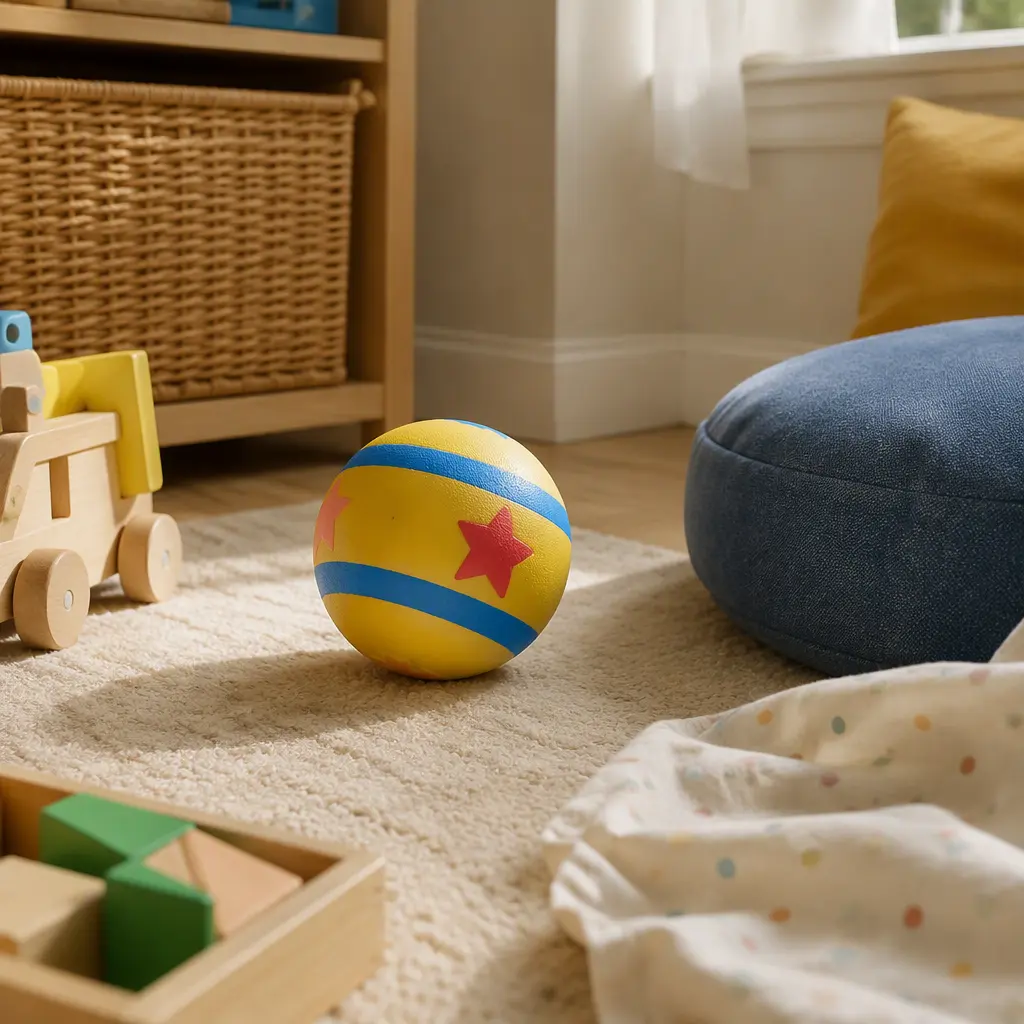
The ball’s design traces back to early computer animation history. It appeared prominently in a groundbreaking short film featuring a small desk lamp interacting with a toy ball, an animation experiment that helped establish the visual identity of what would later become Pixar. The ball itself was simple: bright primary colors arranged in a way that read clearly on screen, even with the limited rendering technology available at the time.
That simplicity turned out to be an advantage. The toy ball became a recurring visual reference across animated films and studio branding because it communicated childhood instantly. Unlike complicated toy designs tied to a single movie plot, the ball felt universal. It looked like something any child might already own, yet its color arrangement made it distinct enough to become memorable. As animation fans grew older and shared those films with their own children, the design gained a second life as a nostalgic object as well as a plaything.
Why it works
The appeal of the Pixar-inspired ball comes down to visual clarity and emotional familiarity. The bright yellow base, intersecting blue stripe, and red star shapes create a pattern that stands out from across a room. Children are naturally drawn to high-contrast primary colors, while adults associate the design with decades of family films and animation history. It functions both as a toy and as a piece of pop-culture shorthand.
As an actual play object, the ball succeeds because it stays uncomplicated. It rolls easily, works indoors or outdoors, and fits naturally into active play. Unlike many heavily themed toys, it does not require batteries, instructions, or knowledge of a character story. Parents often appreciate that flexibility, especially for younger children who benefit from open-ended physical play.
- Simple geometric design that remains recognizable at any size
- Bright primary colors that appeal to younger children
- Lightweight construction suited to indoor or outdoor use
- Strong nostalgic connection for adults familiar with animated films
- Works equally well as a toy, room decoration, or collectible display piece
Who it's for
The toy appeals to a surprisingly broad audience. Young children enjoy it as a basic bouncing or rolling ball, while older kids may recognize it from movies and animation culture. Adults often buy one as a decorative object for offices, media rooms, or children's bedrooms because the design communicates playful nostalgia without needing an obvious character image. Collectors of animation memorabilia also seek out higher-quality display versions made from sturdier materials or scaled-up sizes. Because the toy is fundamentally a lightweight ball, parents should still check age guidance carefully for smaller novelty versions that may include detachable valves or miniature accessories.
Variants and what to look for today
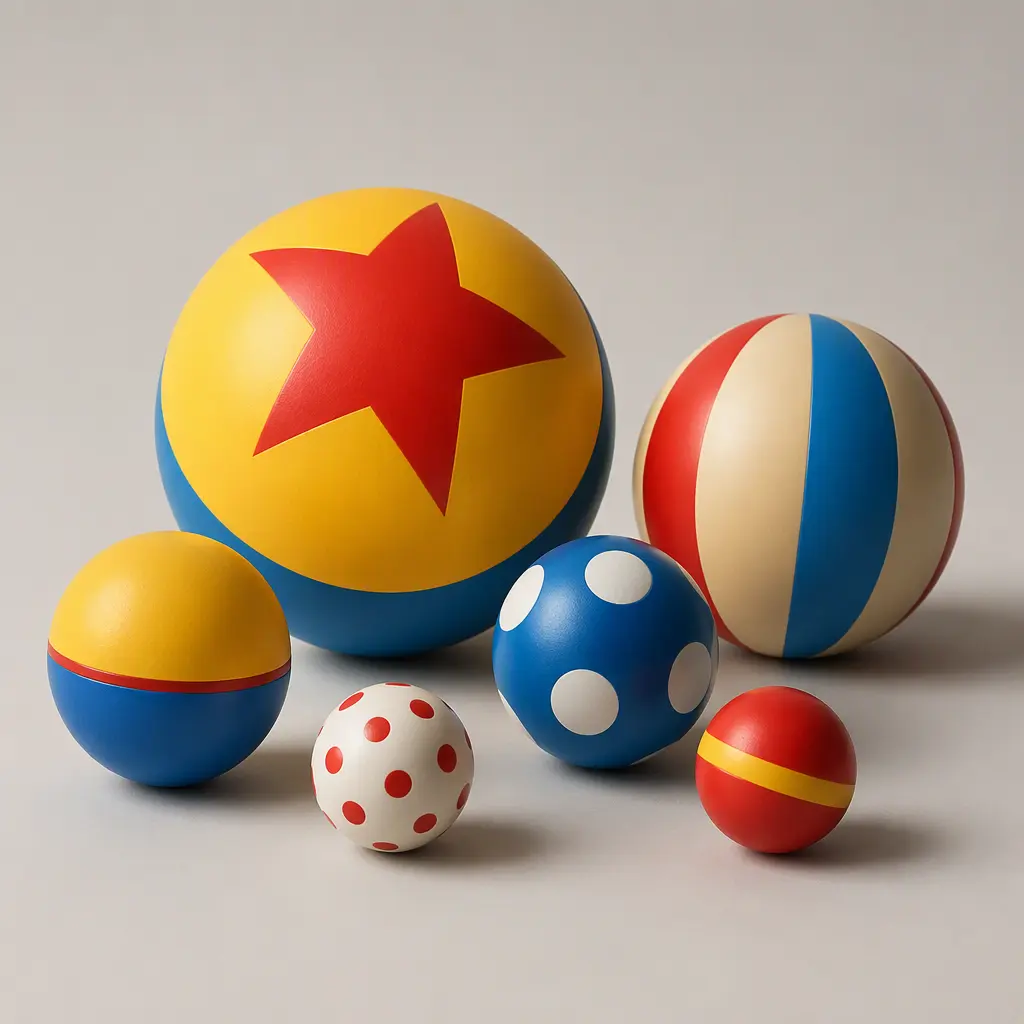
Modern versions of the ball range from soft foam play models to inflatable outdoor balls and collector-oriented display pieces. Some are designed primarily for children’s play, while others are intended as decorative replicas for film fans. Materials vary widely, and that matters more than branding. Softer foam versions are safer indoors and easier for toddlers to handle, while thicker rubber styles hold up better for outdoor games.
Because the design became widely recognizable, many generic variations exist. Some are excellent quality, while others fade quickly or use thin plastic that loses shape after limited use. Buyers looking for a durable version should pay attention to material thickness, seam quality, and whether the surface pattern appears painted or embedded into the material itself.
- Foam versions are lighter and quieter for indoor play
- Rubber and inflatable versions generally bounce better outdoors
- Larger display models work well for themed bedrooms or playrooms
- Check stitching and valve construction on inflatable designs
- Avoid overly rigid plastic versions that can crack or dent easily
Frequently asked questions
Was the ball originally a real toy?
The design became famous through animation before it became widely sold as a consumer toy. While it resembles classic playground balls, its specific color pattern gained popularity because of repeated appearances in animated films and studio branding.
Why do adults collect it?
For many adults, the ball represents the early era of computer animation and family movie culture. Its design is simple enough to fit into home decor while still carrying strong nostalgic meaning.
Are these balls meant for active play or display?
Both. Some versions are lightweight play balls intended for children, while others are sturdier collector items designed mainly for shelves, offices, or themed rooms. The intended use usually depends on material quality and size.
Do all versions look the same?
Most follow the familiar yellow, blue, and red layout, but proportions and materials can vary. Some emphasize screen accuracy for collectors, while others simplify the pattern for inexpensive toy-store versions.
The Pixar-inspired Luxo Ball shows how powerful simple toy design can be. It is not mechanically advanced, highly detailed, or tied to complicated gameplay. Its success comes from recognizable color, emotional association, and decades of visibility across family entertainment. In a toy market often crowded with electronics and fast-changing trends, the ball remains memorable precisely because it feels timeless.