The Play Tent: A Fabric Doorway to Big Imaginations
From living-room camps to secret reading nooks, the play tent endures by turning a simple fabric shell into a private world kids can own, rearrange, and imagine into anything.
Compare prices and availability
Check current prices and availability for this guide on eBay.
As an eBay Partner, we may be compensated if you make a purchase.
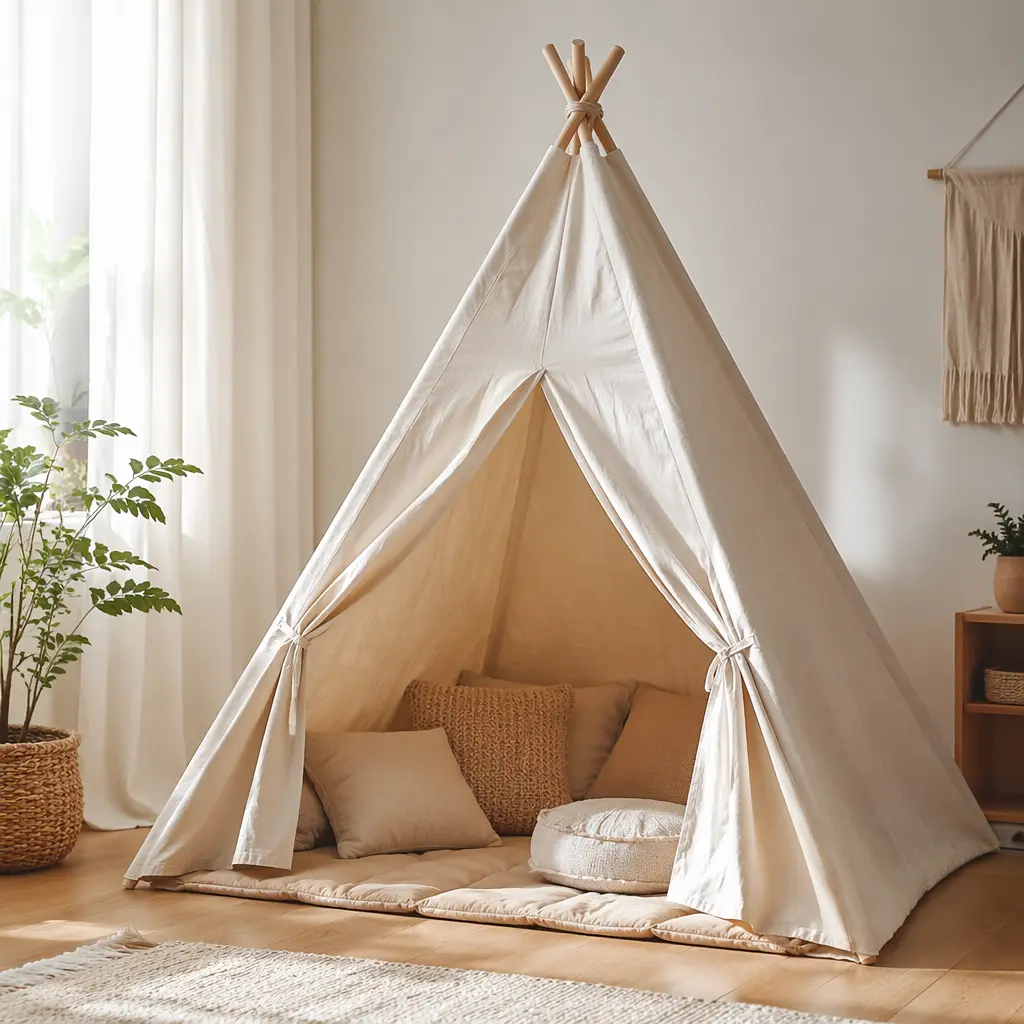
The play tent is one of those toys that feels almost invisible because it’s always been there. A few poles, a stretch of fabric, and suddenly a living room becomes a campsite, a castle, or a quiet hideaway. It doesn’t flash or beep, and it doesn’t come with instructions for what the story should be. That open-ended promise—this space is yours—has kept the play tent relevant for generations.
Where it came from
Play tents don’t have a single inventor or launch year. They evolved naturally from real-world shelters—camping tents, market stalls, even bedsheet forts—scaled down for children. As early as the mid-20th century, toy makers and home-goods brands began offering lightweight fabric tents as indoor-friendly versions of outdoor camping gear.
Their original purpose was simple: give children a defined space that felt separate from the adult world. Unlike dollhouses or play kitchens, which suggest specific kinds of play, a tent offered privacy and possibility. It was a room without rules, easy to set up and just as easy to take away when the floor space was needed back.
Why it works
At its core, a play tent works because it creates boundaries. Children often play more deeply when they feel enclosed and undisturbed, and a tent provides that sense of ownership without permanence. Step inside, and the outside world fades just enough to let imagination take over.
The design is intentionally simple. There’s no fixed narrative, no characters to imitate. Instead, the tent adapts to whatever story a child brings to it that day.
- Lightweight structure that feels private but not closed off
- Fabric walls that soften sound and light
- Easy assembly that invites rearranging and redesign
- Neutral shapes that can become anything in play
Who it's for
Play tents are typically marketed to preschool and early primary-age children, but their appeal often stretches wider. Toddlers enjoy crawling in and out, while older children turn tents into reading dens or secret clubs. Even adults appreciate them as a way to give kids a personal corner without committing to bulky furniture. The tent grows with the child, shifting from active pretend play to quiet retreat.
Variants and what to look for today
Modern play tents come in many forms, from classic A-frame camping shapes to teepees and cube-style pop-ups. Some lean decorative, designed to blend into home interiors, while others focus on durability for energetic play. Materials range from cotton canvas to lightweight synthetics, each with trade-offs in breathability, weight, and ease of cleaning.
When shopping today, it’s worth paying attention to stability and airflow. Look for sturdy pole connections, wide door openings, and fabric that won’t trap heat. Extremely flimsy versions can collapse easily, while overly themed designs may limit how long the tent feels interesting.
Frequently asked questions
Is a play tent safe for indoor use?
Most play tents are designed specifically for indoor environments. Adequate ventilation, soft materials, and stable frames are key. Adult supervision is still recommended for younger children.
Do play tents work in small homes?
Yes. Many modern tents fold flat or pack into small storage bags. Pop-up styles are especially popular in apartments where floor space is temporary.
Will children outgrow a play tent quickly?
The type of play changes, but the tent often remains useful. What starts as pretend play can later become a reading nook or calm-down space.
Can a play tent be used outdoors?
Some can, but many indoor tents aren’t weather-resistant. For outdoor use, check that the fabric and poles can handle moisture and uneven ground.
In a toy world crowded with screens and scripted experiences, the play tent remains refreshingly quiet. Its power lies not in what it does, but in what it allows children to do: claim a space, invent a world, and step inside it on their own terms.