Playfoam: How a mess-free compound became a classroom staple
First launched in the late 2000s, Playfoam offered a rare promise to parents and teachers: sensory modeling play without the mess. Here’s how it earned a lasting place in homes and classrooms.
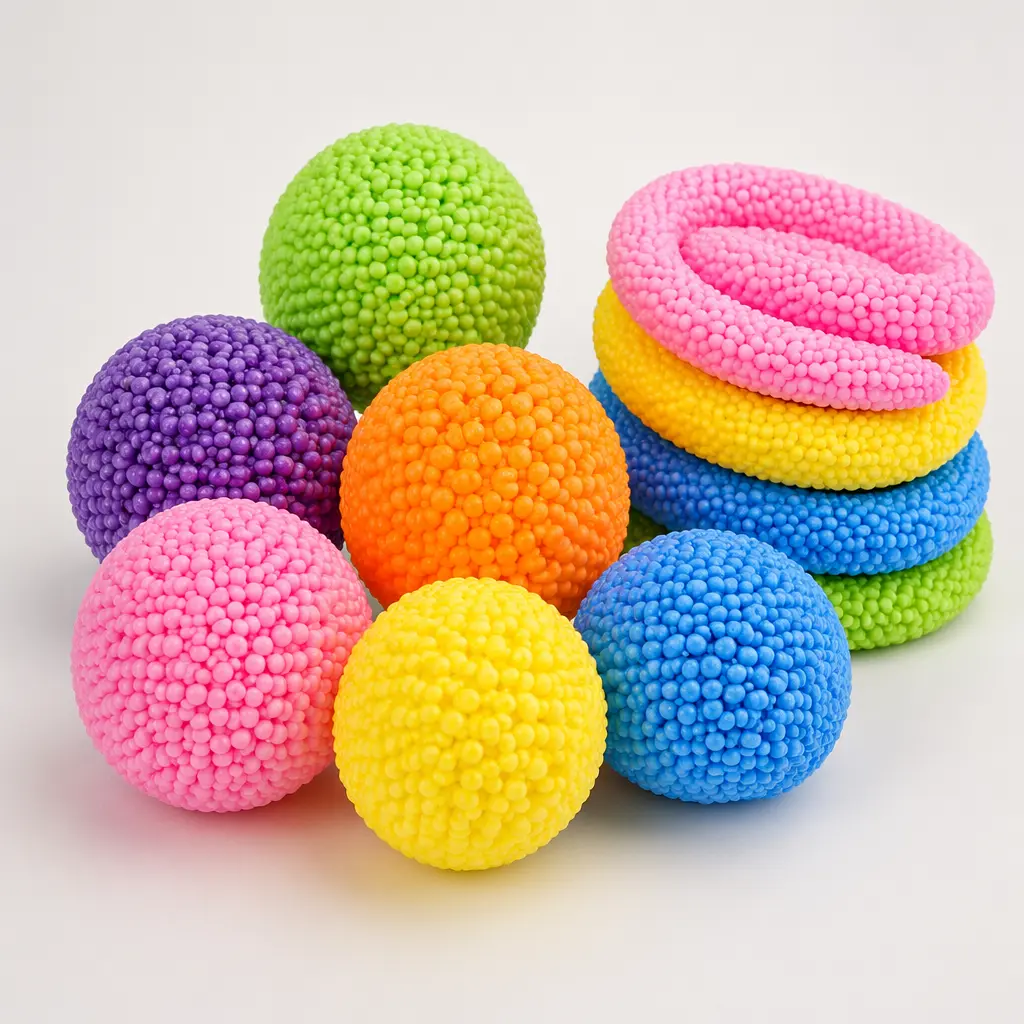
Compare prices and availability
Check current prices and availability for this guide on eBay.
As an eBay Partner, we may be compensated if you make a purchase.
Playfoam arrived with a bold, parent-pleasing idea: all the squish and creativity of modeling dough, without the crumbs, stains, or dried-out lumps. At a time when sensory play was booming in schools and homes, it positioned itself as the tidy alternative—soft, colorful, and endlessly reusable. Nearly two decades on, it’s still a familiar sight in classrooms, therapy rooms, and living rooms alike.
Where it came from
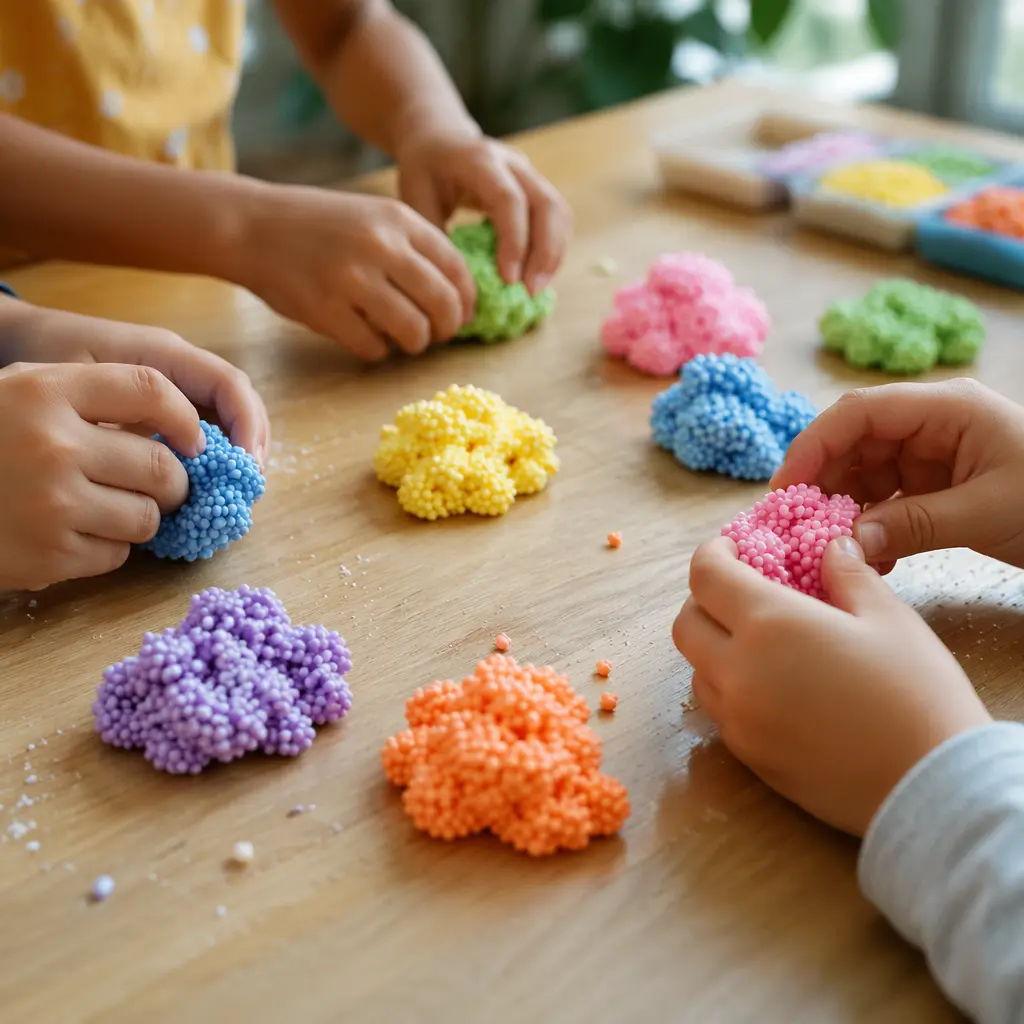
Playfoam was introduced in 2007 by Educational Insights, a company already well known in schools for teacher-approved learning tools. The goal wasn’t to replace classic modeling clays outright, but to solve a specific set of problems educators raised again and again: drying, crumbling, and the inevitable mess that followed traditional compounds.
Instead of clay, Playfoam used a lightweight, bead-filled formula that stuck to itself rather than to tables, carpets, or sleeves. It was designed for repeated classroom use, where quick clean-up and durability matter as much as creativity. That practical origin helps explain why it spread quickly beyond schools into homes with younger children.
Why it works
The appeal of Playfoam is as much about what it doesn’t do as what it does. It doesn’t dry out. It doesn’t smear into fabric. And it doesn’t require airtight tubs or frantic clean-ups at the end of an activity. Instead, it offers a consistent, forgiving texture that invites squeezing, shaping, and pulling without much risk.
For kids, the experience is satisfyingly tactile. For adults, it’s reassuringly low-maintenance. That balance is the product’s quiet strength.
- Self-sticking texture that holds shapes together
- Lightweight foam beads that provide sensory feedback
- Reusable formula that doesn’t dry out
- Minimal residue on hands and surfaces
- Bright colors that mix without turning muddy
Who it’s for
Playfoam is generally aimed at preschool and early primary ages, when fine motor skills and sensory exploration are developing quickly. It’s especially popular with parents who want open-ended play without constant supervision. At the same time, it has found a steady audience among educators and therapists, who use it for hand strengthening, stress relief, and creative tasks with older children. Even some adults keep it on hand as a desk fidget.
Variants and what to look for today
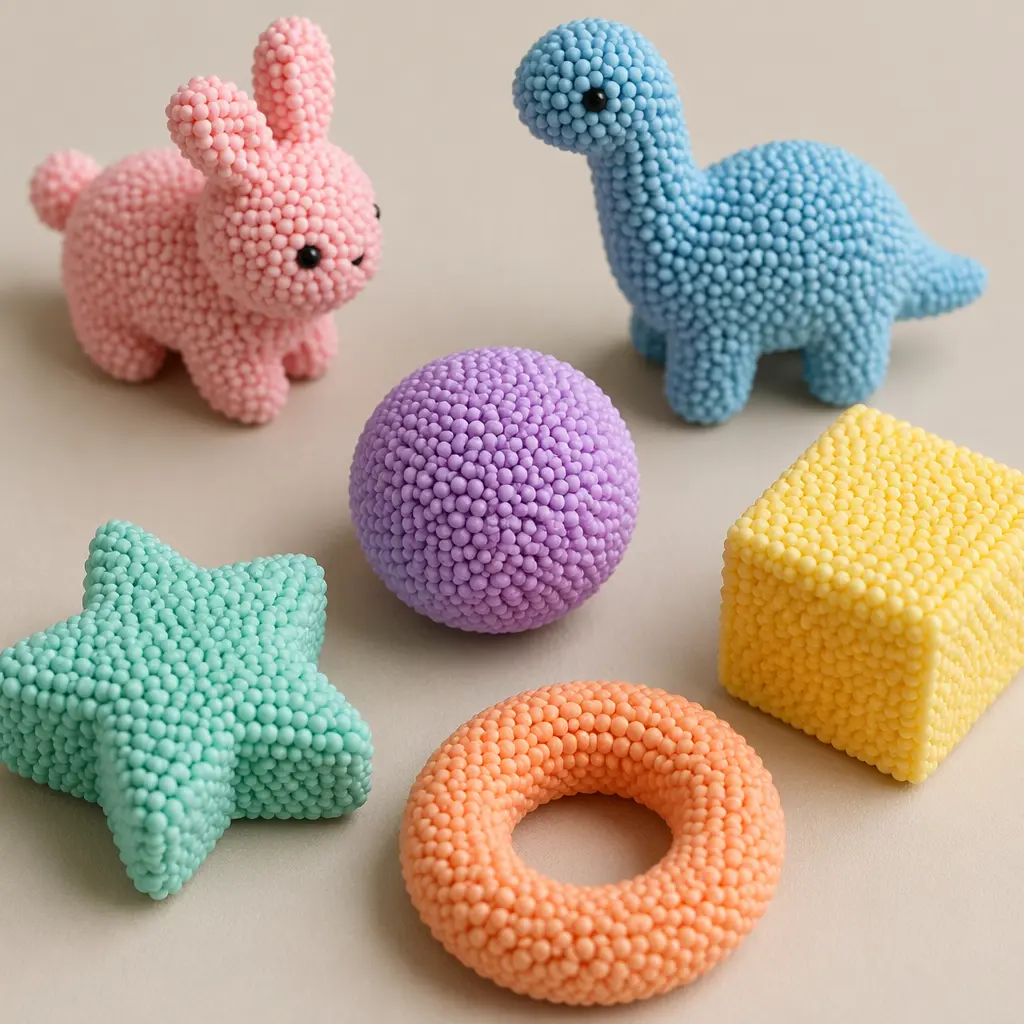
Over the years, Playfoam has expanded beyond its original multi-color packs. Today you’ll find themed sets, larger classroom tubs, and versions paired with activity cards or mats. The core formula remains the same, but the packaging and play prompts have evolved to suit different settings.
When shopping today, it’s worth paying attention to freshness and storage. While Playfoam doesn’t dry out like clay, it can pick up dust or fibers if left uncovered. Generic foam compounds are also widely available; some work well, while others may crumble or lose stickiness more quickly. Sticking with well-reviewed sets usually pays off.
Frequently asked questions
Does Playfoam dry out over time?
Unlike traditional modeling dough, Playfoam is designed not to dry out when exposed to air. With basic care, it can be reused many times.
Is it safe for young children?
Playfoam is typically recommended for children aged three and up. As with any small-bead product, adult supervision is important for younger children.
How messy is it really?
Compared with clay or slime, mess is minimal. It sticks to itself rather than surfaces, though it can pick up lint if dropped on the floor.
Is Playfoam educational or just for fun?
It can be both. Many teachers use it to support fine motor skills, letter formation, and creative expression alongside free play.
Playfoam’s staying power comes from understanding its audience. It doesn’t try to be flashy or trendy. Instead, it quietly delivers on a promise parents and teachers care about: creative, hands-on play that fits into real life. In a category full of mess and maintenance, that simple reliability is what keeps it relevant.