Playmobil Farm: How a barnyard world became a playroom staple
Playmobil Farm sets turned simple barnyard routines into open-ended storytelling. This long-running theme helped define Playmobil’s practical, detail-rich style from the 1970s onward.
Compare prices and availability
Check current prices and availability for this guide on eBay.
As an eBay Partner, we may be compensated if you make a purchase.
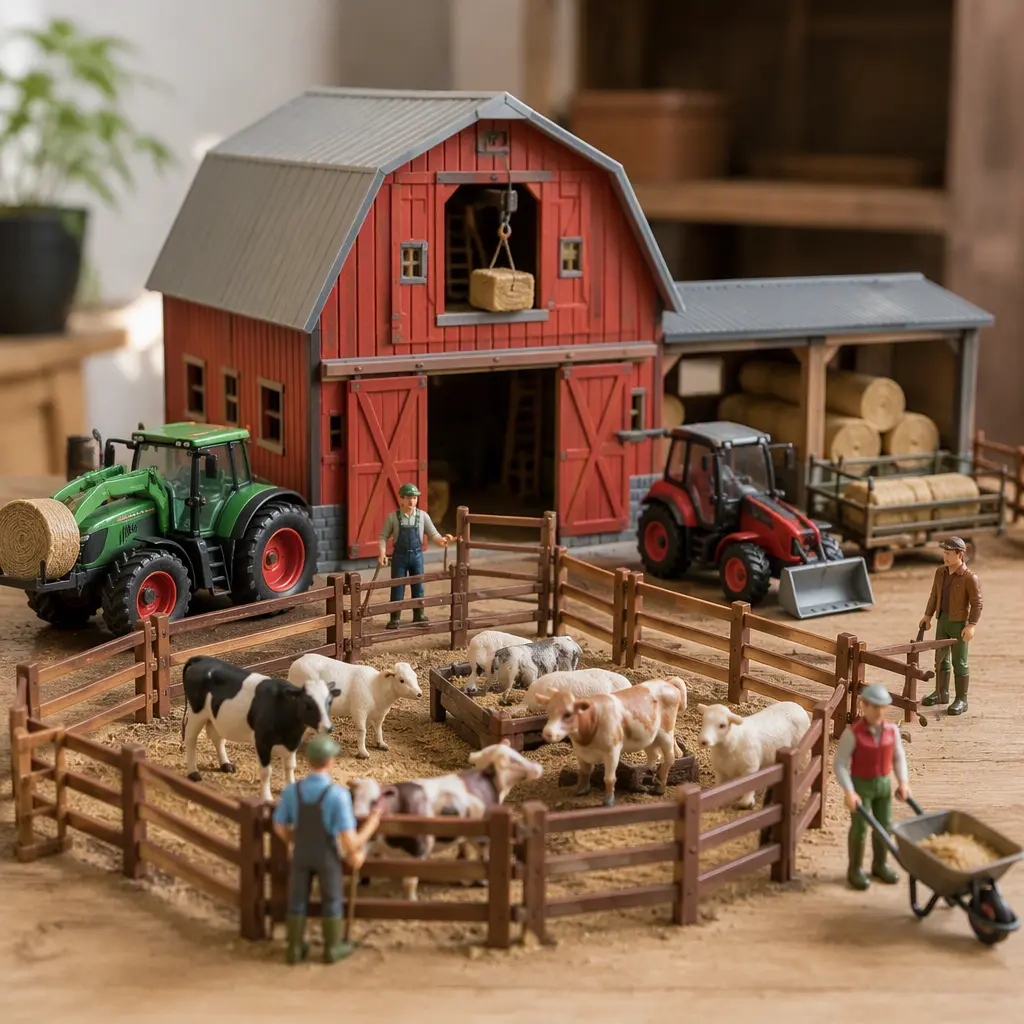
Playmobil Farm sets occupy a distinctive corner of toy history: calm, practical, and quietly detailed. While many toy lines chase action, conflict, or licensed entertainment tie-ins, the Playmobil farm world focused on ordinary routines. Feeding animals, repairing fences, loading hay, and driving tractors became the center of imaginative play. That slower rhythm turned out to have remarkable staying power. Since the 1970s, farm-themed Playmobil sets have remained one of the brand’s most recognizable and consistently updated ranges, appealing to children who enjoy storytelling, collecting, and building miniature worlds that feel grounded in everyday life.
Where it came from
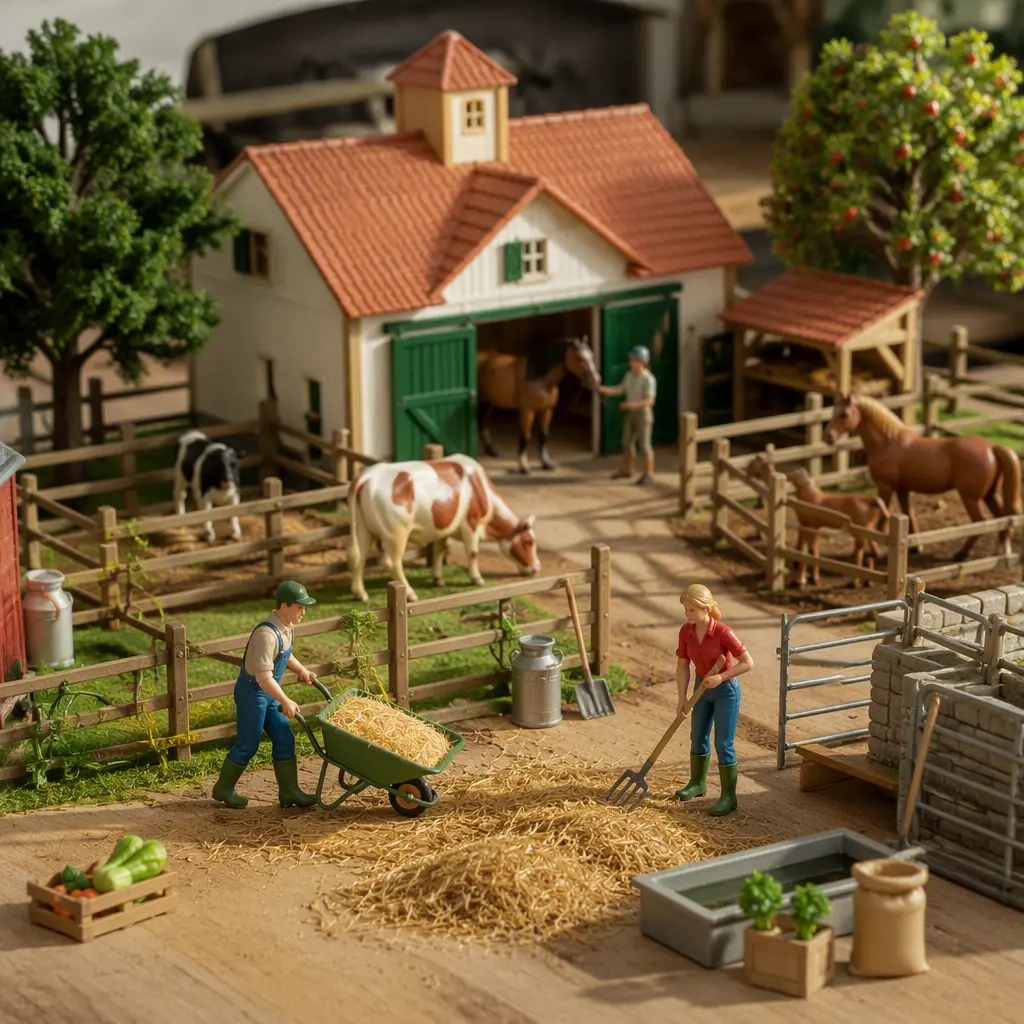
Playmobil debuted in 1974 through the German company Geobra Brandstätter during a period when oil shortages pushed toy manufacturers toward smaller, more efficient plastic products. Designer Hans Beck developed the now-famous 7.5-centimeter figure with simple features, rotating arms, and hands designed to hold accessories securely. The idea was intentionally open-ended. Rather than overwhelming children with electronics or complicated mechanisms, Playmobil encouraged imaginative role-play through compact figures and realistic environments.
Farm sets arrived early in the line’s history because they matched the company’s broader philosophy. Farms offered recognizable routines, a variety of animals, vehicles, buildings, and jobs, and enough flexibility for endless storytelling. A child could focus on animal care one day and harvest work the next. The setting also translated well internationally. Even as real-world farming became less familiar to many urban families, toy farms remained understandable and appealing. Over the decades, Playmobil expanded the theme with horse stables, dairy barns, tractors, farm markets, veterinary scenes, and environmentally themed additions, while keeping the core experience centered on daily work and imaginative interaction.
Why it works
Part of the appeal of Playmobil Farm lies in how tactile and manageable the sets feel. The figures are sturdy enough for repeated handling, and the accessories are designed to be used rather than simply displayed. Gates open, tools fit into hands, trailers attach to tractors, and animals can be moved around the environment with ease. The play pattern rewards repetition instead of spectacle. Children often return to the same scenarios repeatedly, gradually expanding stories and reorganizing the farm layout over time.
The visual design also matters. Playmobil figures are intentionally simple, with minimal facial detail and neutral expressions. That allows children to project personalities and emotions onto the characters themselves. The farm setting benefits especially from this approach because the world feels flexible rather than scripted. One child might imagine a busy commercial farm, while another turns the same set into a peaceful animal sanctuary.
- Modular barns, fences, and outbuildings that can be rearranged easily
- Animals scaled for hands-on pretend play rather than display only
- Vehicles and tools with simple moving parts that encourage interaction
- Neutral figure designs that support open-ended storytelling
- Expandable ecosystem of compatible sets released across multiple generations
Who it's for
Playmobil Farm sets are typically most appealing to children who enjoy imaginative routines and world-building rather than fast-paced competition. Many sets work best for children around ages four and up because of the smaller accessories, though older children often stay interested longer than parents expect thanks to the collecting and layout possibilities. Adults also make up a significant audience. Some collectors focus on vintage farm pieces from the 1970s and 1980s, while others use newer sets in seasonal displays, classroom environments, or hobby dioramas. The farm theme has endured partly because it crosses age groups comfortably without feeling tied to a specific entertainment trend.
Variants and what to look for today
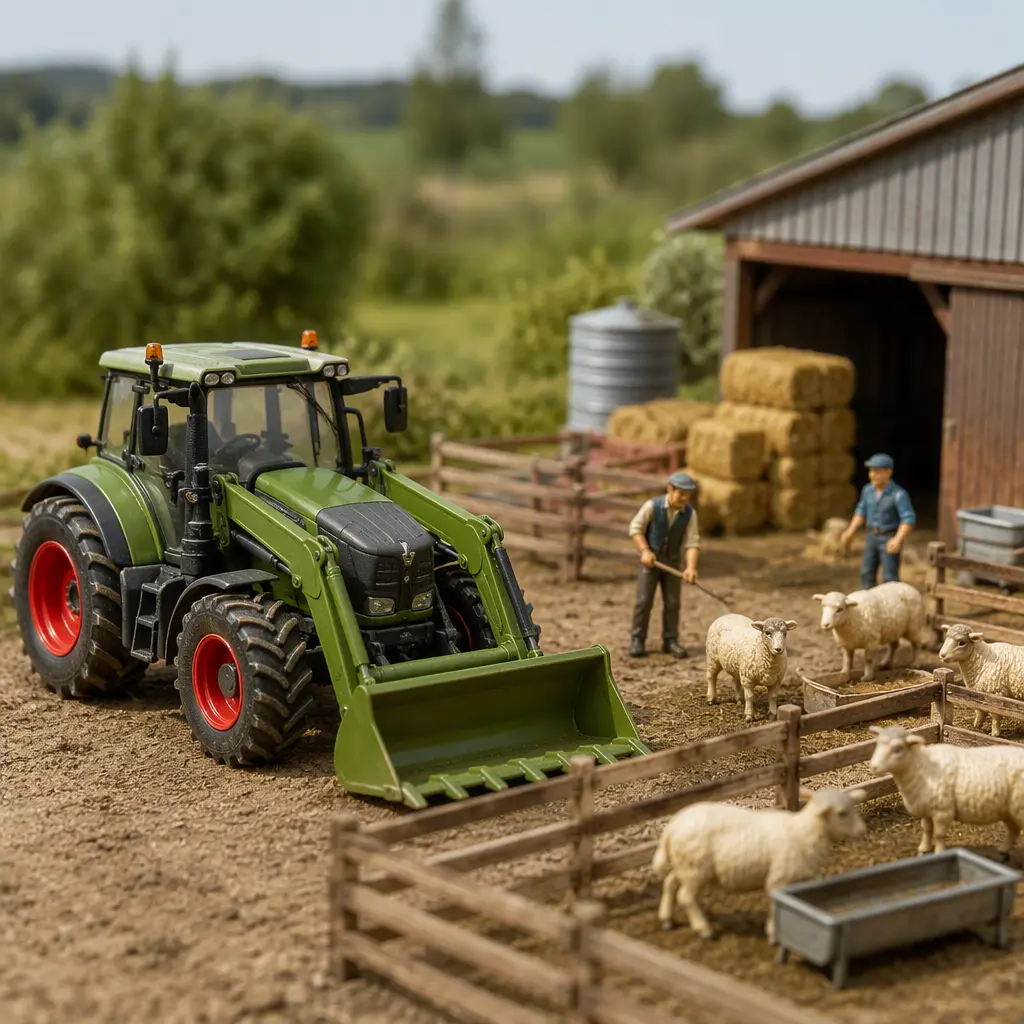
One reason the Playmobil Farm range lasted so long is its adaptability. Early versions leaned toward simple rural scenes with basic barns and hand tools. Later generations added larger tractors, horse-focused environments, solar panels, produce stands, and more detailed animal care features. Some sets emphasize realism, while others lean toward a gentler family-farm atmosphere. Despite these updates, most generations remain visually compatible enough to mix together.
For buyers today, condition and completeness matter more than rarity claims. Farm sets rely heavily on small accessories, fencing pieces, feeding equipment, and animals, so secondhand collections can vary widely. It is also worth checking whether replacement parts are still available through hobby sellers or collector communities.
- Starter farm sets with a barn and a few animals are easiest for younger children
- Animal expansion packs can extend existing layouts without requiring large storage space
- Vintage sets often have simpler colors and sturdier-feeling plastic components
- Modern sets may include more detailed equipment and environmentally themed features
- Be cautious of incomplete used lots missing connectors, fencing, or small farm tools
Frequently asked questions
Are older Playmobil Farm sets compatible with newer ones?
In most cases, yes. One of Playmobil’s strengths is long-term compatibility between generations. Older figures, animals, and buildings usually fit naturally alongside modern accessories and vehicles.
Why do children stay interested in farm playsets for so long?
Farm themes encourage ongoing routines rather than one-time stories. Feeding animals, repairing equipment, organizing barns, and expanding fields create repeatable play patterns that can evolve gradually over months or years.
Are Playmobil Farm sets mainly for collectors now?
No. Collectors are an important part of the audience, but the line is still designed primarily for active play. Many current releases focus on durability, role-play, and compatibility with existing sets.
What makes Playmobil different from brick-based building toys?
Playmobil emphasizes role-play over construction. Buildings may require light assembly, but the main focus is interacting with figures, animals, vehicles, and environments rather than engineering structures from scratch.
Playmobil Farm sets have survived changing toy trends because they offer something steady and adaptable. The theme combines recognizable routines, durable design, and open-ended storytelling in a format that grows naturally over time. Whether encountered as a vintage barn from the 1970s or a modern animal-care set with updated details, the appeal remains surprisingly consistent: children are invited to create a working miniature world and decide how it runs.