Raggedy Ann Dolls: How a soft cloth toy became a comfort classic
Introduced in the 1910s, Raggedy Ann helped define the idea of a comforting cloth doll. A look at her origins, design, and why soft rag dolls still matter to families today.
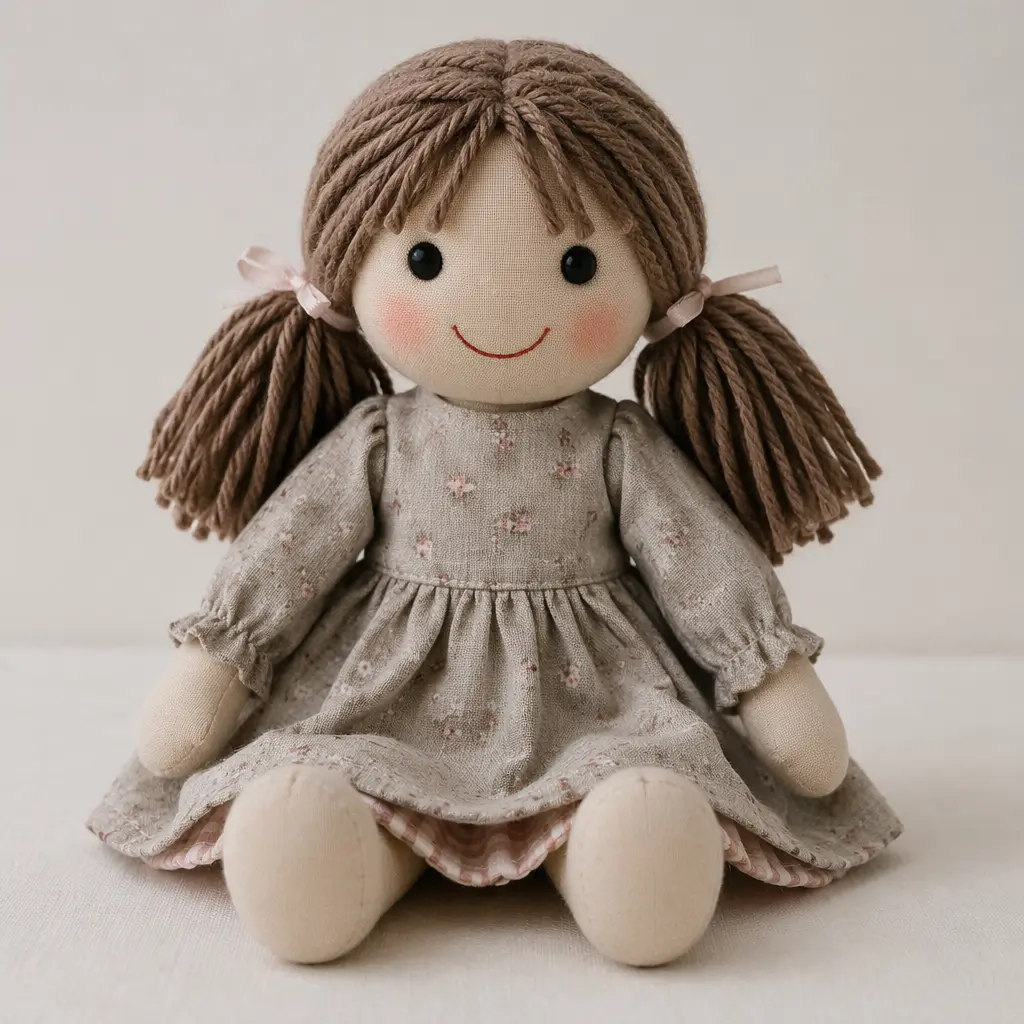
Compare prices and availability
Check current prices and availability for this guide on eBay.
As an eBay Partner, we may be compensated if you make a purchase.
Raggedy Ann isn’t just a doll; she’s an idea. For generations, she has represented comfort, kindness, and the quiet reassurance that comes from a soft toy held close. In an era long before electronic toys and licensed characters filled nursery shelves, this simple cloth doll showed how emotional connection could matter more than complexity.
Where it came from
Raggedy Ann was introduced in 1915 by American illustrator and writer Johnny Gruelle. Inspired by handmade rag dolls and traditional folk toys, Gruelle created a character that lived both as a physical doll and in illustrated storybooks. This dual existence helped the doll feel alive in a way many toys of the time did not.
The original purpose was never about realism or fashion. Raggedy Ann was meant to be friendly, soft, and safe for children—something that could be hugged, dragged around, and loved hard without fear of breaking. At a time when porcelain dolls were still common, her cloth body was a quiet but meaningful shift.
Why it works
The design of Raggedy Ann is intentionally simple. There are no moving parts, no hard edges, and no fragile features. That simplicity invites imagination. Children can project feelings, stories, and personalities onto the doll, rather than being led by built-in sounds or actions.
What truly makes the design endure is how it supports emotional play. The doll’s softness encourages cuddling, while the stitched facial features offer a gentle, unchanging expression that can feel calming.
- Soft cloth body suitable for hugging and carrying
- Lightweight design easy for small hands
- Stitched features instead of hard or removable parts
- A friendly, non-threatening appearance
Who it's for
Raggedy Ann-style dolls are typically associated with young children, especially toddlers and preschoolers, but their appeal goes beyond age. For children, they function as comfort objects and early companions. For adults, they often carry strong nostalgia, tied to memories of bedtime stories or childhood security. They are also popular as keepsakes and nursery décor, even when not used for active play.
Variants and what to look for today
Over the decades, Raggedy Ann has appeared in many forms, from early handmade versions to mass-produced cloth dolls and decorative collectibles. Today, families will find a range of rag-doll interpretations inspired by the original idea rather than exact replicas.
When choosing a cloth doll now, it’s worth focusing on materials and construction rather than branding. Well-sewn seams, washable fabrics, and securely attached features matter more for play than decorative details. Be cautious with very cheaply made versions that may use stiff fabrics or loose stitching.
Frequently asked questions
Are Raggedy Ann dolls safe for babies?
Many cloth dolls inspired by Raggedy Ann are suitable for young children, but safety depends on construction. Always check age recommendations and ensure there are no loose parts or long yarn strands.
Why are cloth dolls often chosen as comfort toys?
Cloth dolls are soft, warm to the touch, and easy to hold. These qualities make them ideal for emotional bonding and self-soothing, especially during sleep or unfamiliar situations.
Are vintage Raggedy Ann dolls valuable?
Some early examples are collectible, but most families value them more for sentimental reasons than monetary worth. Condition and provenance matter more than age alone.
Do children still play with rag dolls today?
Yes. While play patterns have changed, many children still form strong attachments to simple, soft toys. Rag dolls continue to serve as companions rather than entertainment devices.
More than a century after her introduction, Raggedy Ann remains a reminder that toys don’t need to be complex to be meaningful. Her legacy lives on in every soft doll designed to comfort, reassure, and quietly keep a child company.