Plush Toys That Help Kids Self‑Soothing at Night
A parent-focused guide to choosing calming plush toys for ages 3–5. Learn what features matter for comfort, durability, and bedtime routines—without relying on electronics.
Compare prices and availability
Check current prices and availability for this guide on eBay.
As an eBay Partner, we may be compensated if you make a purchase.
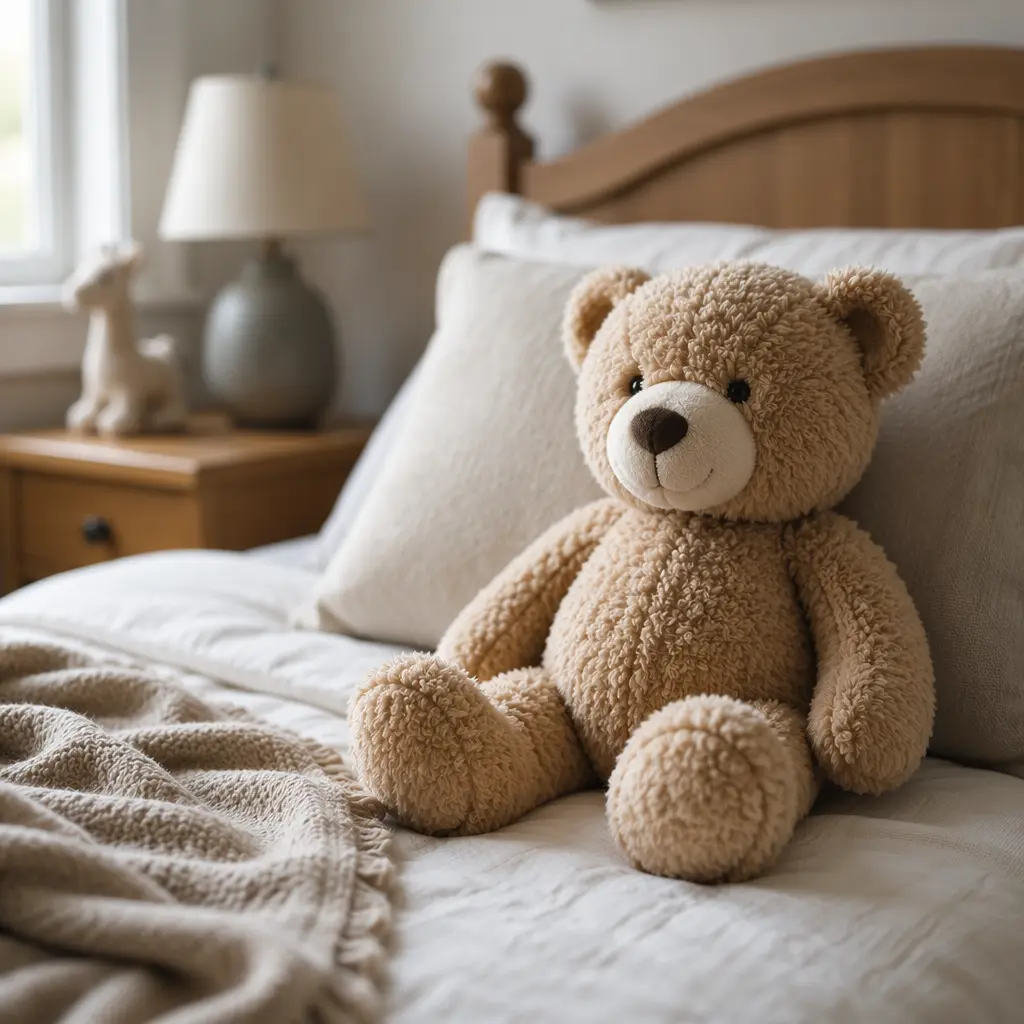
For many preschoolers, bedtime can feel big and uncertain. A simple plush toy can offer steady comfort, helping kids calm their bodies and minds as they drift off to sleep. When you’re looking for a soothing stuffie—without lights, sounds, or batteries—the details matter. Fabric, size, and overall design can all influence whether a plush becomes a trusted nighttime companion or just another toy on the shelf.
What to look for
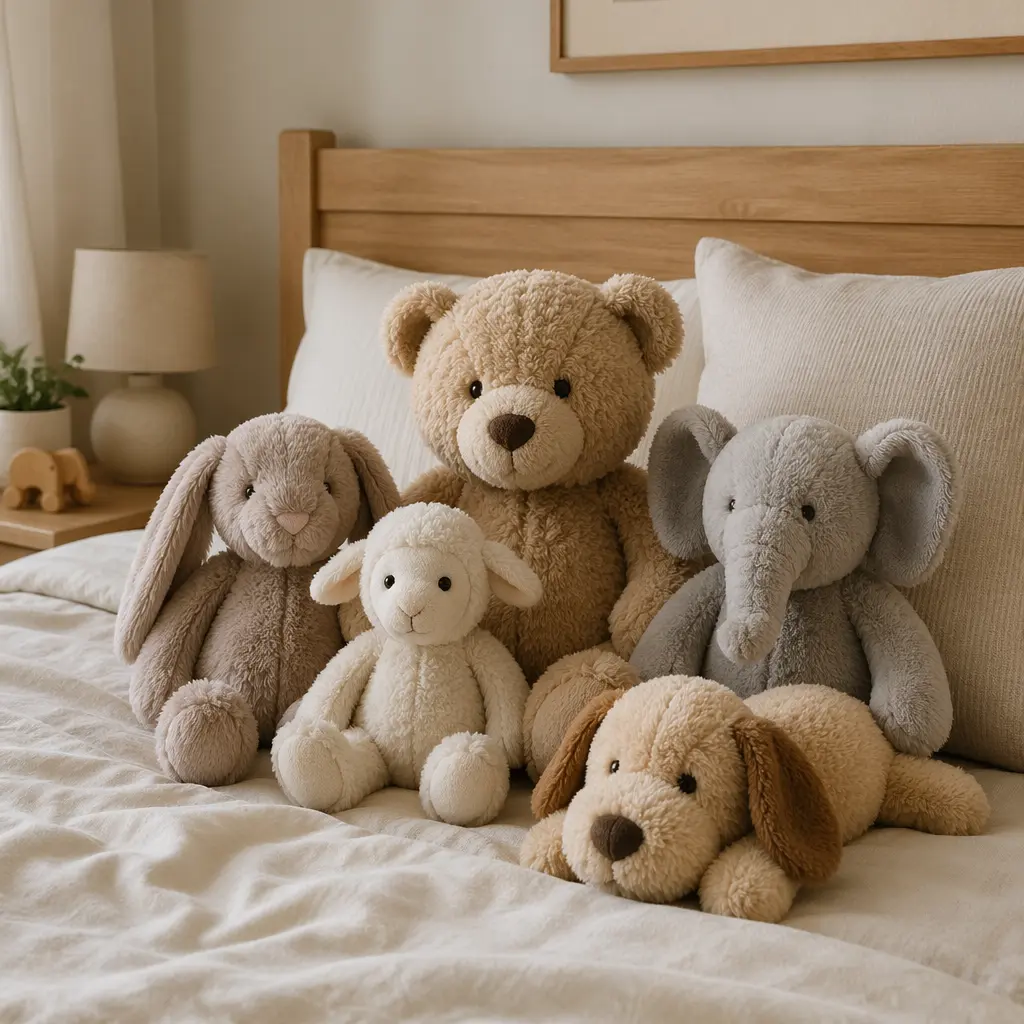
Comforting plush toys don’t need electronics to be effective. For children ages 3–5, the most helpful options are designed to feel reassuring, familiar, and easy to handle during the night. Focus on physical qualities that encourage calm rather than stimulation.
- Soft, breathable fabrics that feel gentle against the face and hands
- A size that’s easy to hug without overwhelming a small bed
- Simple designs with calm colors instead of bold patterns
- Flexible bodies that can be squeezed or tucked under an arm
- Sturdy stitching that holds up to nightly use and washing
Age suitability
Children ages 3–5 are developing independence but still rely on familiar objects for reassurance. Plush toys at this stage should be durable enough for frequent handling and simple enough not to overstimulate. Preschoolers often prefer recognizable shapes—like animals or friendly characters—without extra features that interrupt sleep. Because kids in this age band may reposition their plush during the night, lightweight designs are usually more comfortable than heavy or oversized options.
Standout categories or types
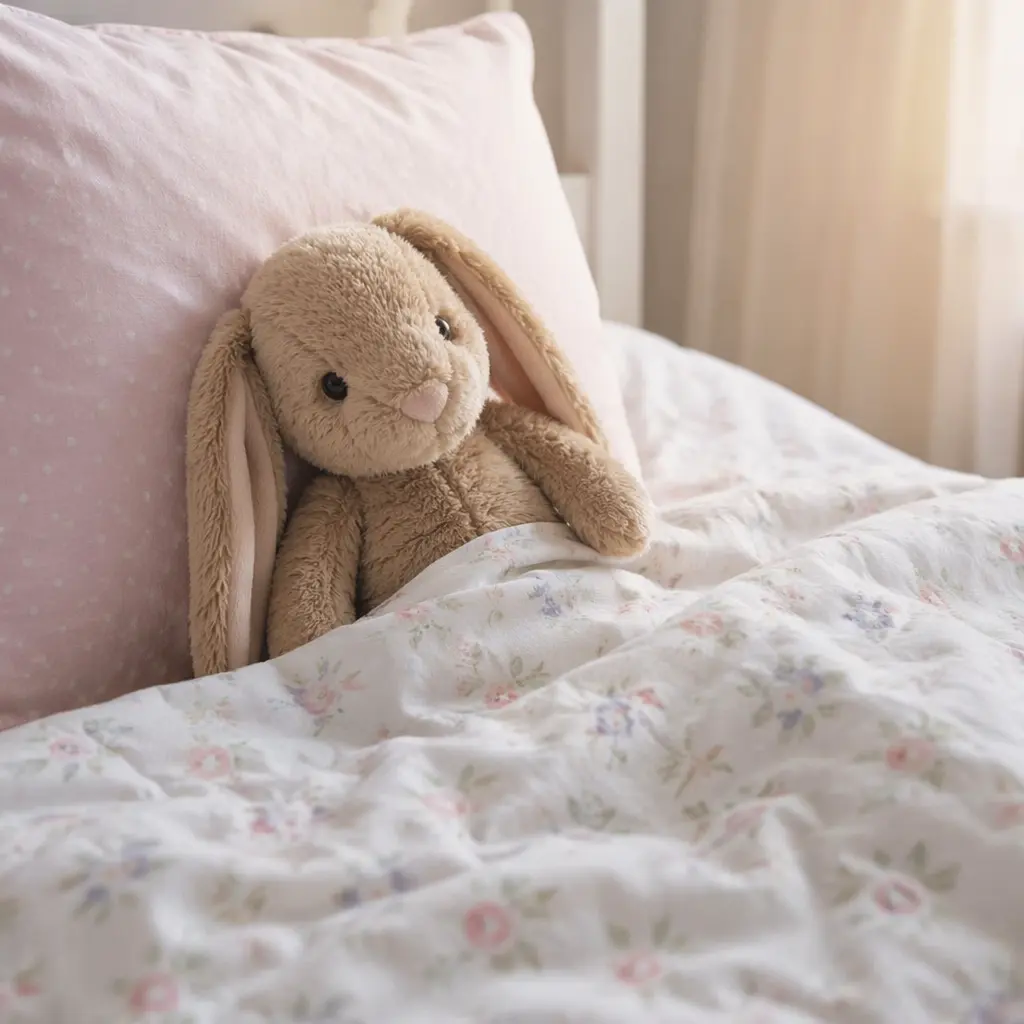
Not all plush toys provide the same kind of comfort. Some styles naturally support self-soothing better than others, especially when electronics are intentionally avoided. Understanding these categories can help narrow your choices.
- Classic stuffed animals: Timeless shapes and soft textures that feel familiar night after night
- Minimalist plush dolls: Simple faces and muted colors that avoid visual overstimulation
- Weighted-style plush (lightweight): Gently grounding without being heavy or restrictive
- Lovey-style plush: Smaller, easy-to-carry companions that work well for bedtime routines and travel
Frequently asked questions
Why avoid electronic features for sleep?
Lights, sounds, and moving parts can interrupt a child’s natural wind-down process. Plush toys without electronics stay consistent and quiet, helping kids relax rather than react to stimulation during the night.
How many plush toys should be in the bed?
For most preschoolers, one or two comforting plush toys are enough. Too many items can crowd the sleep space and become distracting instead of soothing.
Do texture and fabric really matter?
Yes. Soft, consistent textures can help children self-soothe through touch. Rough seams, crinkly fabrics, or mixed textures may draw attention and disrupt sleep.
Should the plush stay in bed all day?
Some families keep a special plush just for sleep to strengthen the bedtime association. Others allow all-day use. Either approach can work, as long as the toy remains clean and comforting.
A thoughtfully chosen plush toy can become part of a calming bedtime routine that supports independence and emotional regulation. By focusing on softness, simplicity, and age-appropriate design, parents can pick a comforting companion that helps preschoolers feel safe and settled as they fall asleep—no electronics required.