Samsung Ballie: A Home Robot With Toy-Like Appeal
Samsung’s Ballie home companion robot mixes rolling mobility, AI assistance and playful interaction in a device that sits somewhere between smart-home helper and family gadget.
Compare prices and availability
Check current prices and availability for this guide on eBay.
As an eBay Partner, we may be compensated if you make a purchase.
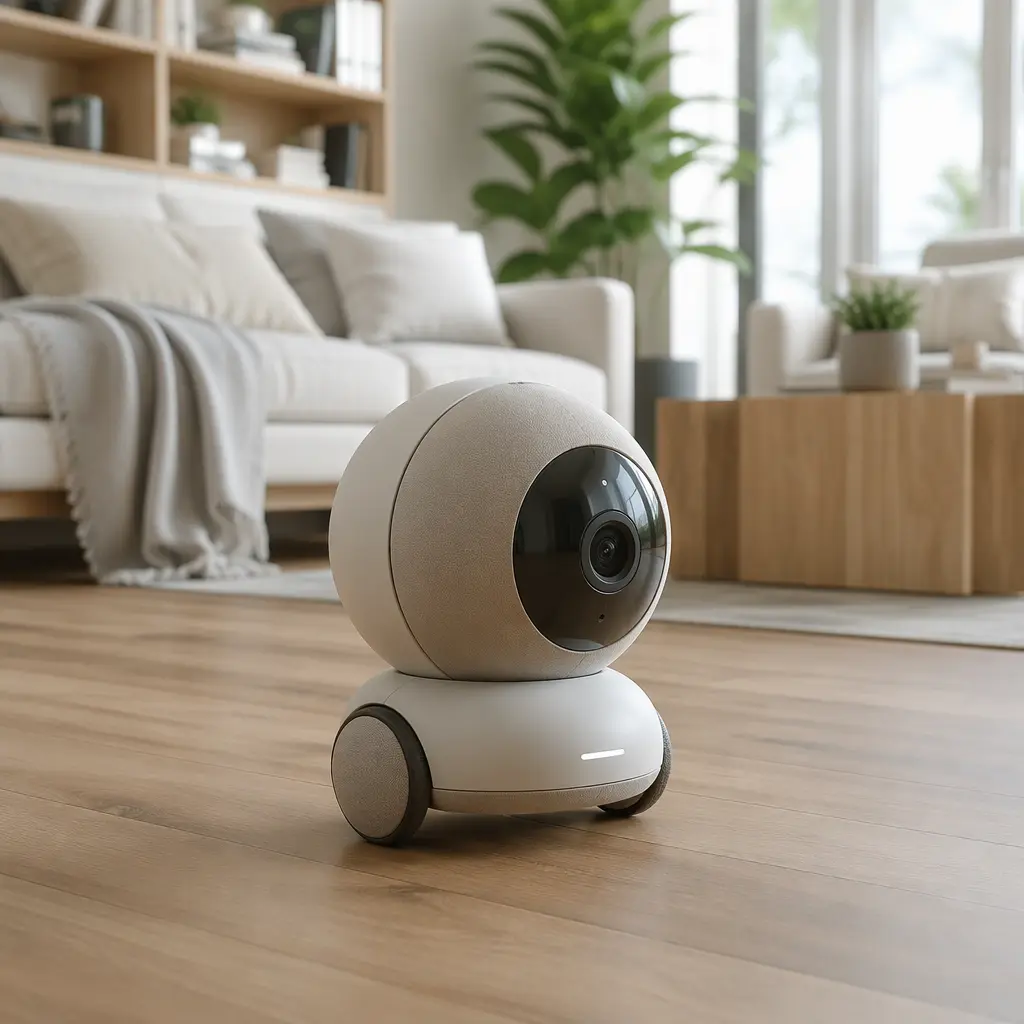
Samsung’s Ballie arrives in a category that still feels partly experimental: the home robot designed not for factories or research labs, but for ordinary living rooms. The rolling robot combines connected-home controls, voice interaction and AI-driven assistance with a deliberately approachable design that resembles a gadget-sized companion more than a traditional appliance. That combination gives Ballie an unusual position in the consumer tech world. It is part smart-home controller, part mobile assistant and part toy-like family device intended to move through shared spaces alongside people and pets.
Where it came from
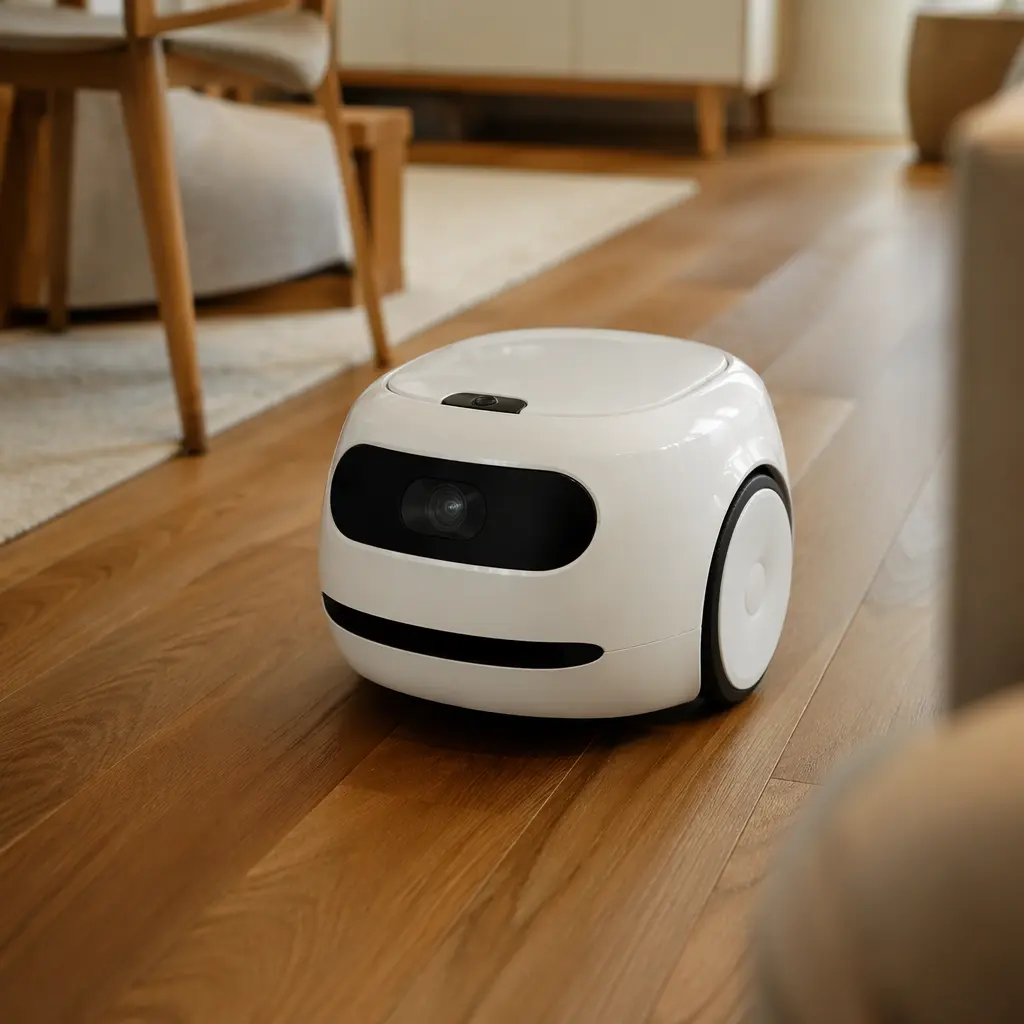
Samsung has been demonstrating versions of Ballie for several years as part of its broader push into connected home technology and AI-assisted devices. The concept centers on a small autonomous robot that can move between rooms, respond to voice commands and interact with other smart devices in the home. Unlike stationary smart speakers or displays, Ballie is designed to physically follow routines around the house, giving the product a more animated and companion-like presence.
The 2026-era Ballie arrives at a moment when major technology companies are trying to define what consumer AI hardware should look like beyond phones and laptops. Samsung positions the robot as a practical household assistant, but its appeal also depends heavily on personality and accessibility. Rounded shapes, expressive movement and conversational interaction borrow cues from toy design and social robotics rather than industrial equipment. That blend is intentional: devices that live in family spaces need to feel less intimidating than conventional machines.
Why it works
Ballie’s strongest idea is mobility. Most voice assistants remain fixed in one place, which limits how naturally they fit into household activity. A robot that can travel between rooms changes the interaction pattern entirely. Ballie can potentially accompany routines, monitor spaces through onboard cameras and sensors, and serve as a moving interface for connected devices. Even when used casually, the movement itself creates a sense of presence that static gadgets rarely achieve.
The product also taps into a long-running fascination with companion robots. Families often respond differently to devices that appear responsive or expressive, even when the underlying technology is still task-focused. Ballie’s design avoids looking too human while still feeling animated enough to encourage interaction. For children, that can make the robot feel approachable and playful. For adults, it may feel more like a practical smart-home hub that happens to move around.
- Rolling mobility designed for room-to-room interaction
- Voice controls paired with AI-assisted responses and routines
- Built-in cameras and sensors intended for home awareness
- Smart-home integration with compatible connected devices
- Compact design aimed at shared family spaces rather than dedicated tech setups
- Potential cloud-connected features that may depend on apps, accounts or regional support
Who it's for
Ballie is likely to appeal most to households already interested in smart-home ecosystems and conversational AI devices. Adults may see it as a more flexible extension of existing smart speakers and displays, while children are likely to focus on the robot’s movement and personality-like behavior. Because the product includes cameras, microphones and cloud-connected features, it works best in homes where parents are comfortable managing privacy settings, account permissions and device access. Younger children may treat Ballie like a toy, but it is better understood as a connected household device that happens to use playful design language.
Variants and what to look for today
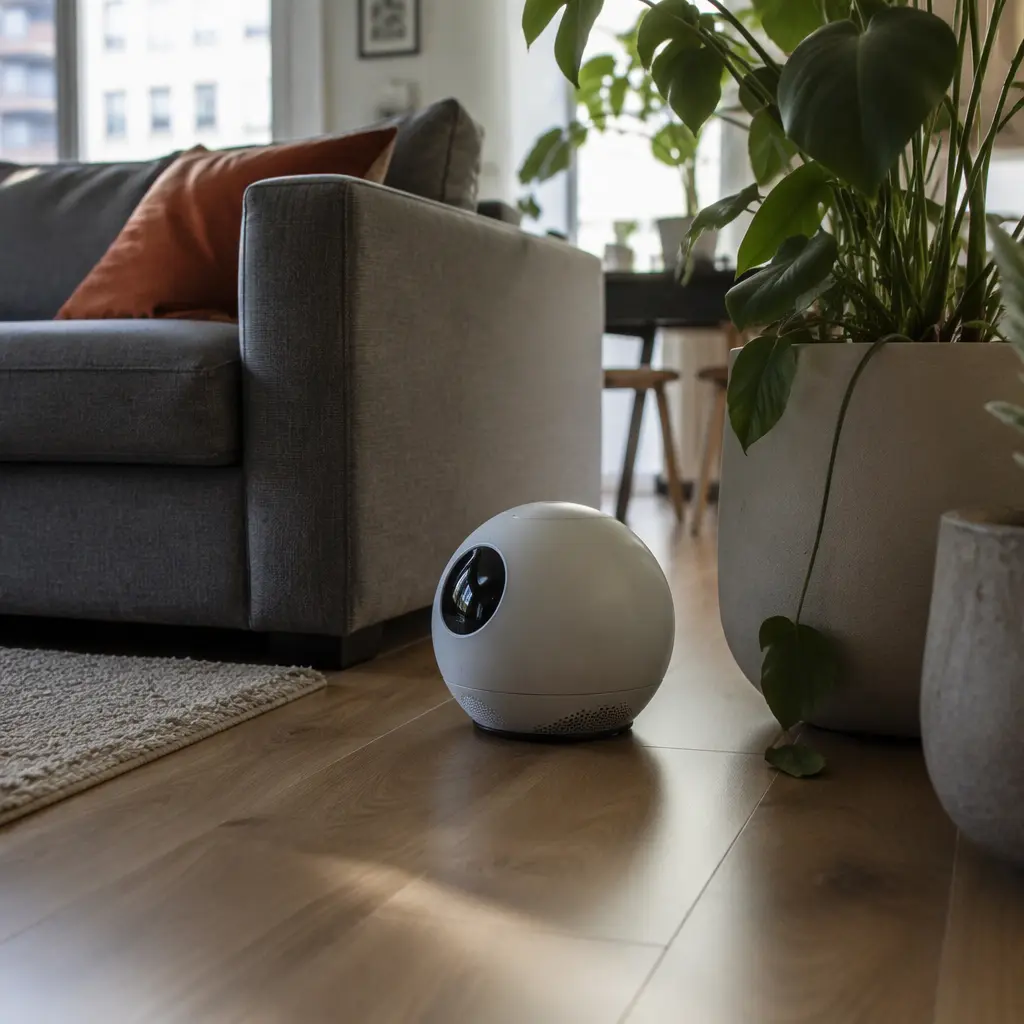
As with many emerging AI devices, Ballie’s exact capabilities may vary depending on software updates, regional availability and compatibility with Samsung’s wider smart-home platform. Shoppers should pay attention to what functions work locally versus through cloud services. Features involving conversational AI, remote monitoring or advanced automation may rely on internet connectivity and account sign-ins rather than operating entirely offline.
Parents should also check practical details before bringing a connected robot into a shared home environment. Camera placement, microphone controls, app permissions and data handling policies matter more here than they would for a traditional toy. A rolling robot can potentially access more of the home than a stationary smart speaker, which changes the privacy conversation considerably.
- Look for clear information about camera and microphone controls
- Check whether parental controls or restricted-user settings are available
- Confirm compatibility with phones, tablets and smart-home platforms already in use
- Understand which features require cloud connectivity or companion apps
- Be cautious of unofficial accessories or unsupported software modifications
Frequently asked questions
Is Ballie a toy or a smart-home device?
It sits somewhere between the two categories. Ballie uses playful movement and approachable design, but Samsung presents it primarily as a connected AI-assisted home device rather than a children’s toy.
Does Ballie work without the internet?
Some core functions may operate locally, but many AI-driven or cloud-assisted features are expected to depend on internet access, Samsung accounts or connected apps. Available functionality can vary by region and software support.
Why do privacy concerns come up with home robots?
Devices like Ballie may include cameras, microphones and environmental sensors that gather information from shared living spaces. Because the robot can move through different rooms, families should understand what data is stored locally, what may be processed in the cloud and how permissions are managed.
Could Ballie appeal to adults without children?
Yes. The product’s audience extends beyond families with kids. Some buyers may simply want a mobile smart-home controller or AI assistant with a more interactive form factor than a speaker or tablet.
Ballie reflects a broader shift in consumer technology toward devices designed to feel social as well as functional. Whether it ultimately becomes a household staple or remains a niche gadget, the robot shows how quickly the boundaries between smart-home tech, AI assistants and toy-inspired design are starting to overlap. For parents, the most important questions are less about novelty and more about how comfortably a mobile connected device fits into everyday family life.