Schleich Animal Figures: Realism that fuels open‑ended play
Schleich’s finely detailed animal figures helped turn realistic toys into tools for imagination, blending accuracy with open‑ended storytelling for kids and collectors alike.
Compare prices and availability
Check current prices and availability for this guide on eBay.
As an eBay Partner, we may be compensated if you make a purchase.
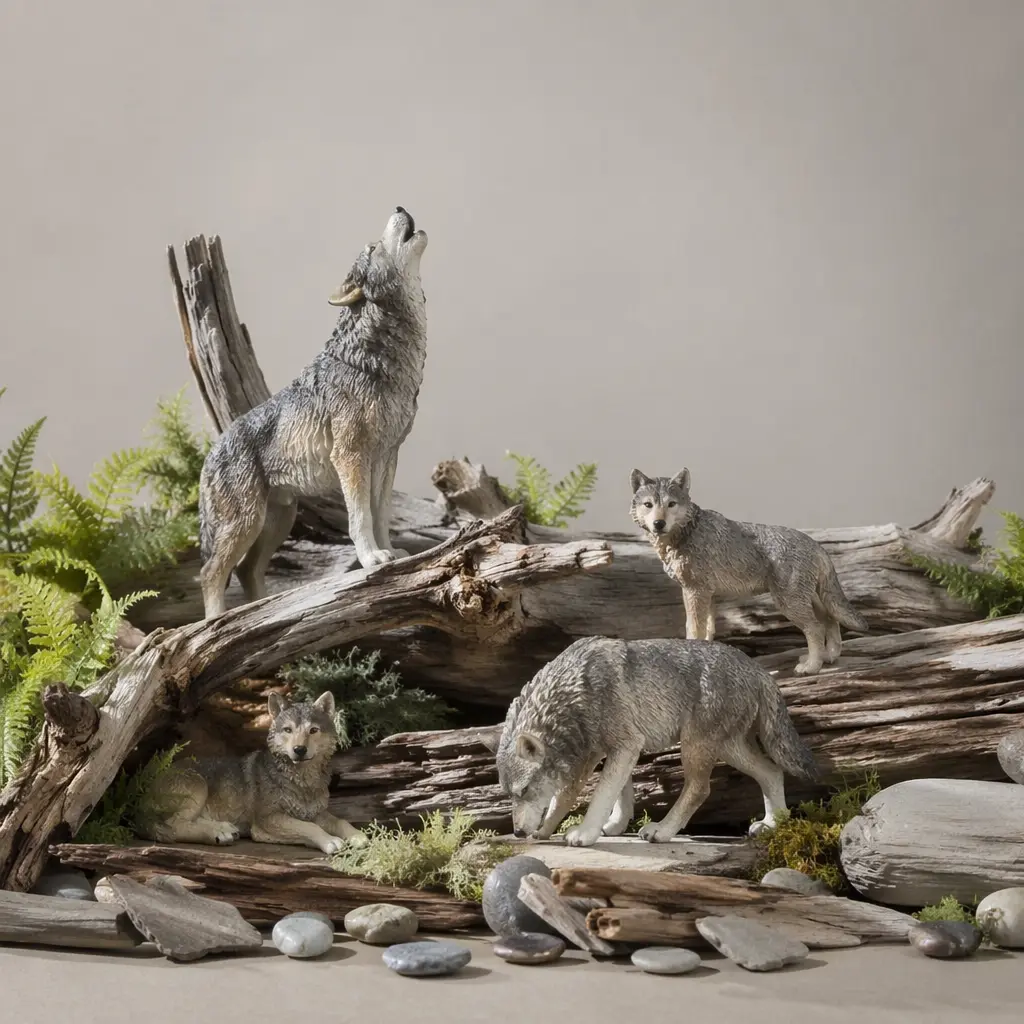
At first glance, Schleich animal figures look like miniature museum models. The fur textures, muscle shapes, and natural poses feel closer to wildlife photography than cartoon toys. That realism is exactly what turned these figures into a quiet phenomenon in modern playrooms: toys that don’t tell children what story to play, but invite them to make their own.
Where it came from
Schleich is a German toy company with roots going back decades, but its animal figures took their modern form in the early 2000s. Around 2001, the brand began focusing heavily on highly detailed, hand-painted animal models designed for play rather than display-only collecting.
The original purpose was educational as much as entertaining. These were toys meant to reflect real animals accurately enough that children could recognise species, body shapes, and even typical behaviours. Unlike action figures tied to a show or film, Schleich animals arrived without a built-in storyline, leaving the narrative work to the child.
Why it works
The appeal of Schleich animal figures lies in their balance between realism and durability. They are solid enough to survive everyday play, yet detailed enough to feel authentic. That combination makes them flexible: one day they’re part of a school project, the next they’re starring in an imaginary safari or farm.
Because the figures don’t rely on gimmicks, batteries, or scripted features, play tends to last longer and evolve with the child. Key design features include:
- Realistic proportions and natural poses
- Hand-painted details that distinguish individual animals
- Sturdy construction suitable for frequent handling
- Consistent scale within animal families for believable scenes
Who it’s for
Schleich animal figures are typically recommended for children aged three and up, but their audience is broader than that label suggests. Younger children use them for imaginative play, while older kids often incorporate them into learning about habitats, ecosystems, and animal behaviour. Many adults also collect them, appreciating the craftsmanship or using them as educational tools in classrooms and therapy settings.
Variants and what to look for today
Today, the Schleich range spans farm animals, wildlife, prehistoric creatures, and fantasy-inspired beasts. While the core appeal remains realism, newer figures often show more dynamic poses and refined sculpting than earlier releases.
When shopping today, look for consistent scale if you plan to build scenes, and pay attention to paint quality, as hand-painted details can vary slightly. Generic knock-offs exist, but they often lack the anatomical accuracy and durability that define the Schleich experience.
Frequently asked questions
Are Schleich animal figures educational?
Yes. Their realistic design supports learning about animal anatomy, species differences, and habitats, making them popular in both homes and classrooms.
Do they hold up to regular play?
They’re designed for play, not just display. The figures are solid and generally withstand drops and handling better than many decorative models.
Can adults enjoy collecting them?
Absolutely. Many adults collect specific animal families or use them for display, photography, or educational demonstrations.
In a toy world crowded with flashing lights and scripted stories, Schleich animal figures stand out by doing less—and trusting imagination to do more. Their success shows that realistic toys can still be deeply playful, offering children a gateway into storytelling that grows as they do.