Sky Viper Dash Nano Drone and the Rise of Tiny Flyers
The Sky Viper Dash Nano Drone targets first-time pilots with compact indoor-friendly flying, simplified controls and toy-grade camera features that favor accessibility over cinematic footage.
Compare prices and availability
Check current prices and availability for this guide on eBay.
As an eBay Partner, we may be compensated if you make a purchase.
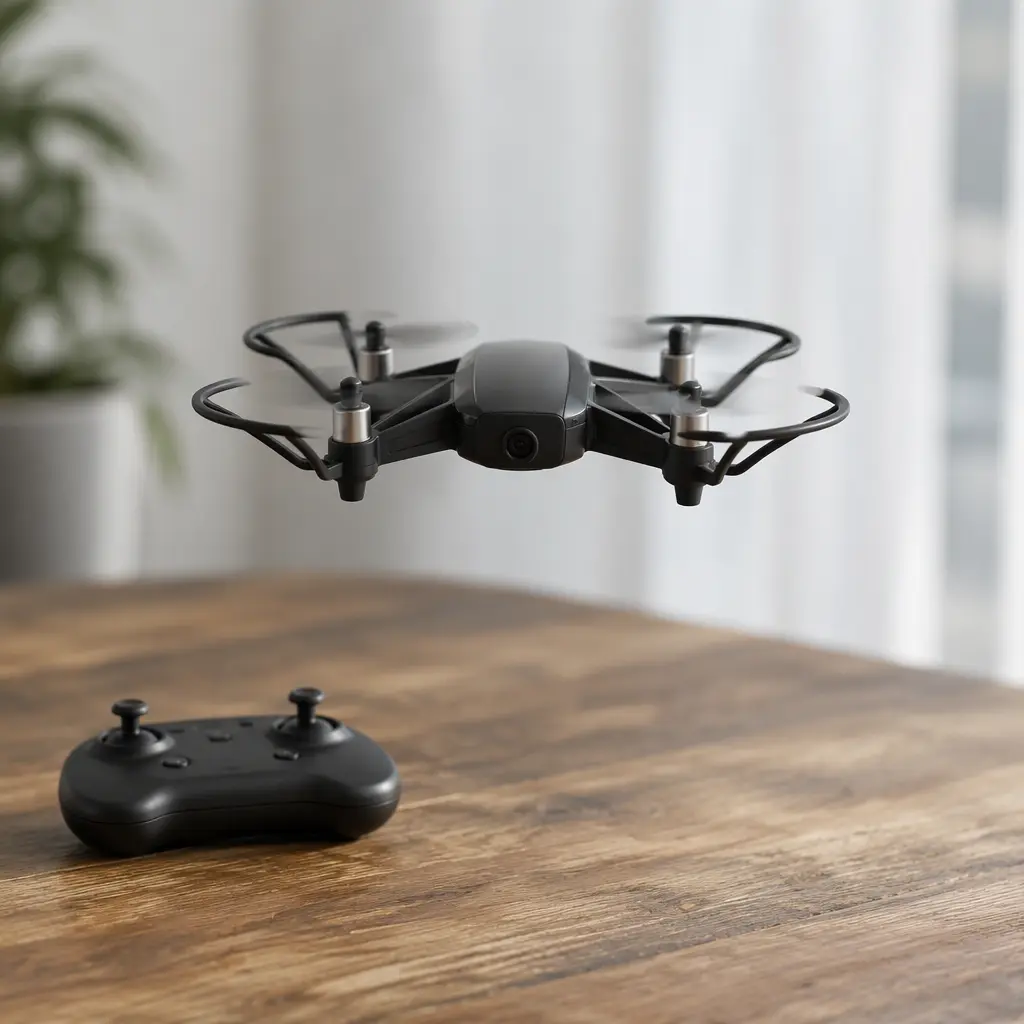
The Sky Viper Dash Nano Drone sits in a category that has changed rapidly over the past decade: tiny consumer drones built for casual flying instead of professional photography. Small enough to fly around a living room and simple enough for younger beginners to grasp quickly, the Dash Nano represents the toy industry's push to make drone flight less intimidating. Rather than chasing cinematic video or long-distance travel, products in this class focus on lightweight construction, simplified controls and quick setup. That makes them appealing to first-time flyers who want the experience of piloting a drone without stepping into the more expensive and heavily regulated side of the hobby.
Where it came from
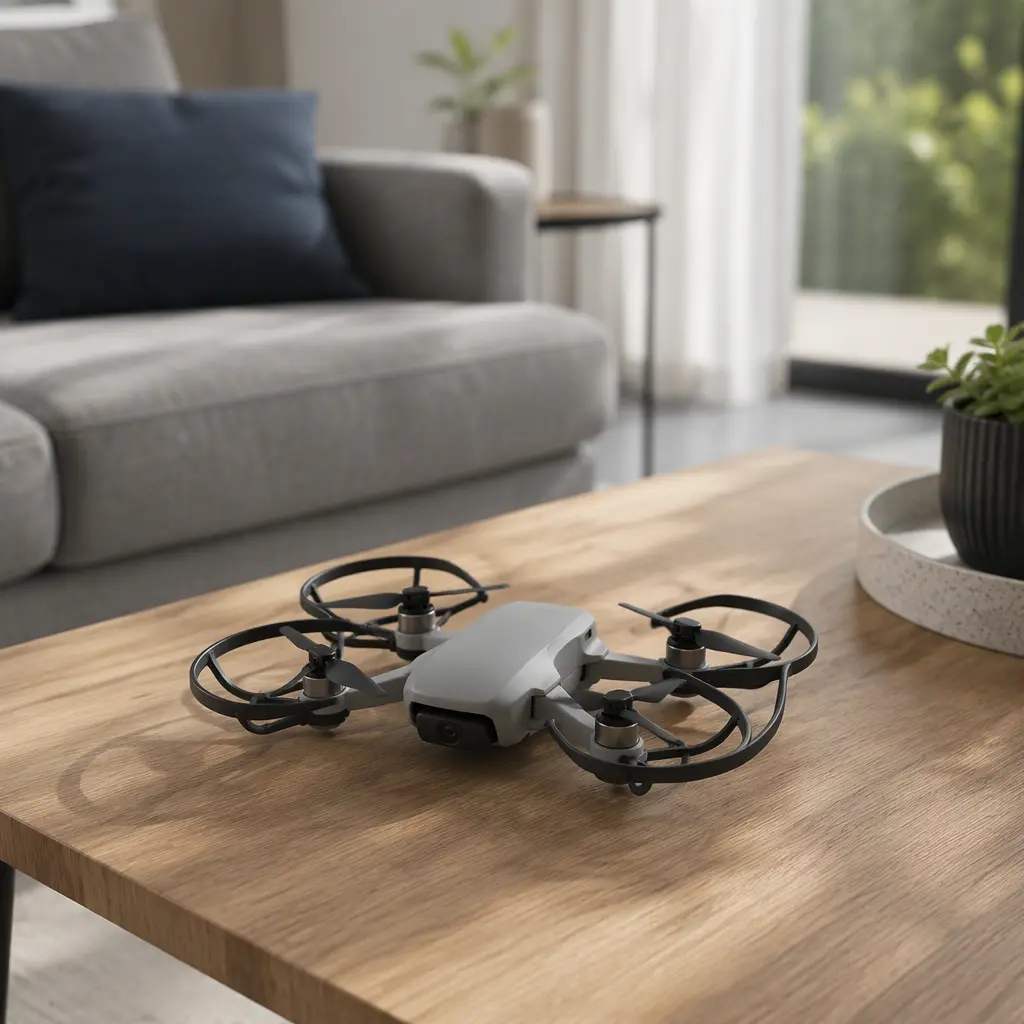
Sky Viper has been part of the broader toy and entry-level drone market during a period when miniaturized electronics made compact quadcopters inexpensive and widely available. Early toy drones often struggled with difficult controls, short flight times and fragile construction, but manufacturers gradually shifted toward beginner-focused designs that emphasized stability and easier handling. The Dash Nano arrives in that tradition, aiming to reduce the learning curve for younger users and casual hobbyists.
The contemporary toy drone market also reflects changing expectations around connected devices and cameras. A decade ago, simply getting a lightweight quadcopter airborne indoors was enough to attract attention. Today, even budget-friendly toy drones are expected to include features like assisted hovering, simplified takeoff controls or onboard cameras. In the case of the Dash Nano, the emphasis appears to stay firmly on approachable flying rather than advanced imaging. Toy-grade cameras in this category typically prioritize novelty and basic recording over sharp video quality, especially indoors or in lower light.
Why it works
Mini drones remain popular because they deliver a quick sense of mastery. A small quadcopter can lift off within minutes, react instantly to controller input and perform simple maneuvers in tight spaces. For younger users especially, the immediate feedback loop is part of the appeal. Compact drones also tend to feel less intimidating than larger outdoor models, both physically and financially. Their lighter weight and slower speeds can make early mistakes feel more manageable.
The Dash Nano leans into that accessibility. Simplified controls, lightweight construction and indoor-oriented design choices are common in this segment because they reduce barriers for inexperienced pilots. Features marketed around stability or assisted handling are especially important in toy-grade drones since tiny aircraft can otherwise drift easily due to air currents, uneven throttle control or minor collisions with furniture.
- Compact size designed for indoor or small-space flying
- Beginner-oriented controls that reduce the learning curve
- Lightweight frame intended to limit damage from minor bumps
- Toy-grade onboard camera focused on casual use rather than professional footage
- Portable design that can be packed away quickly between flights
Who it's for
The Dash Nano is primarily aimed at first-time drone users, including older children, teens and adults who want a low-pressure introduction to quadcopter flight. Its compact footprint makes it better suited to apartments, bedrooms or family rooms than large open outdoor spaces. Parents are often drawn to nano drones because they appear less overwhelming than larger hobby aircraft, though younger users still benefit from supervision and a clear flying area. Adult collectors and gadget fans may also enjoy tiny drones as casual desk-to-living-room tech toys, especially for quick flights that do not require travel to a field or park.
Variants and what to look for today
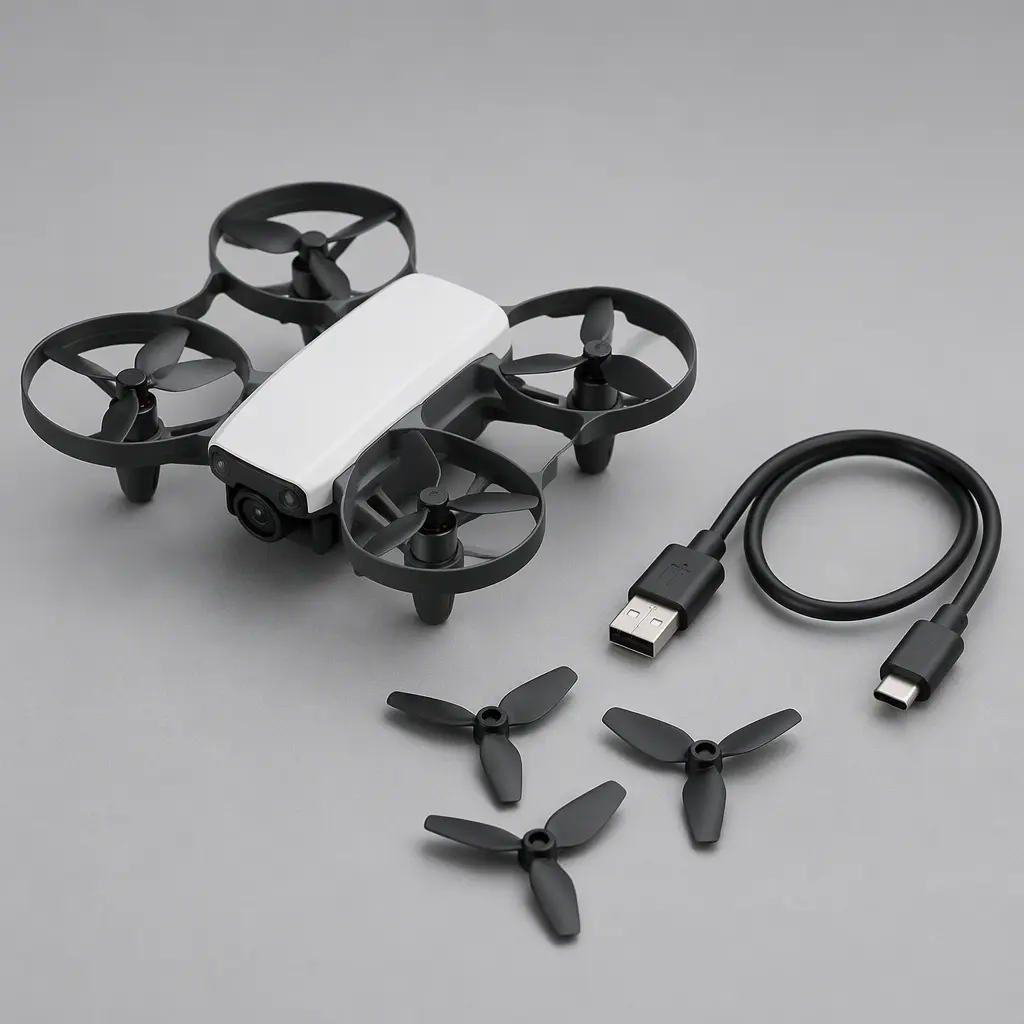
Toy drones evolve quickly, and naming conventions can vary by retailer or region. Buyers looking at the Dash Nano should pay attention to the actual feature set rather than assuming all mini drones perform similarly. Some models in the category include altitude assistance, automatic takeoff or simplified directional controls, while others remain fully manual. Camera-equipped versions also differ widely in recording quality, app support and storage methods.
Battery life remains one of the biggest tradeoffs in nano drones. Tiny frames generally mean smaller batteries and shorter flight sessions, so replacement batteries or convenient charging options may matter more than advanced specifications. Indoor-focused drones also tend to prioritize propeller guards and lightweight materials over wind resistance, making outdoor use inconsistent in breezy conditions.
- Check whether replacement propellers and batteries are easy to find
- Look for protective propeller guards if younger users will fly indoors
- Confirm app compatibility if camera or phone-linked features are included
- Be cautious with ultra-cheap imitators that lack parts support or clear instructions
- Expect modest camera performance compared with larger camera drones
Frequently asked questions
Can a nano drone be flown outdoors?
Small drones can fly outdoors in calm weather, but their low weight makes them vulnerable to wind. Many beginners find indoor flying easier while learning the controls.
Is the onboard camera meant for high-quality video?
Toy-grade cameras in nano drones are generally intended for casual clips and experimentation. They are not typically designed to compete with larger photography-focused drones.
Do beginners need a smartphone to use it?
That depends on the exact version and feature set. Some toy drones rely mainly on a physical controller, while others add optional app connectivity for camera viewing or settings.
Are nano drones good for learning drone controls?
Many people use small drones as an entry point before moving to larger aircraft. The lower speeds and compact size can make practice less stressful, though basic coordination still takes time to develop.
The Sky Viper Dash Nano Drone reflects where toy drones have settled in recent years: approachable, compact and focused on fast fun rather than technical ambition. Its appeal comes from lowering the barrier to flight. For families, gadget fans and curious beginners, that simplicity is often the point.