Socker Boppers: How inflatable gloves made roughhousing OK
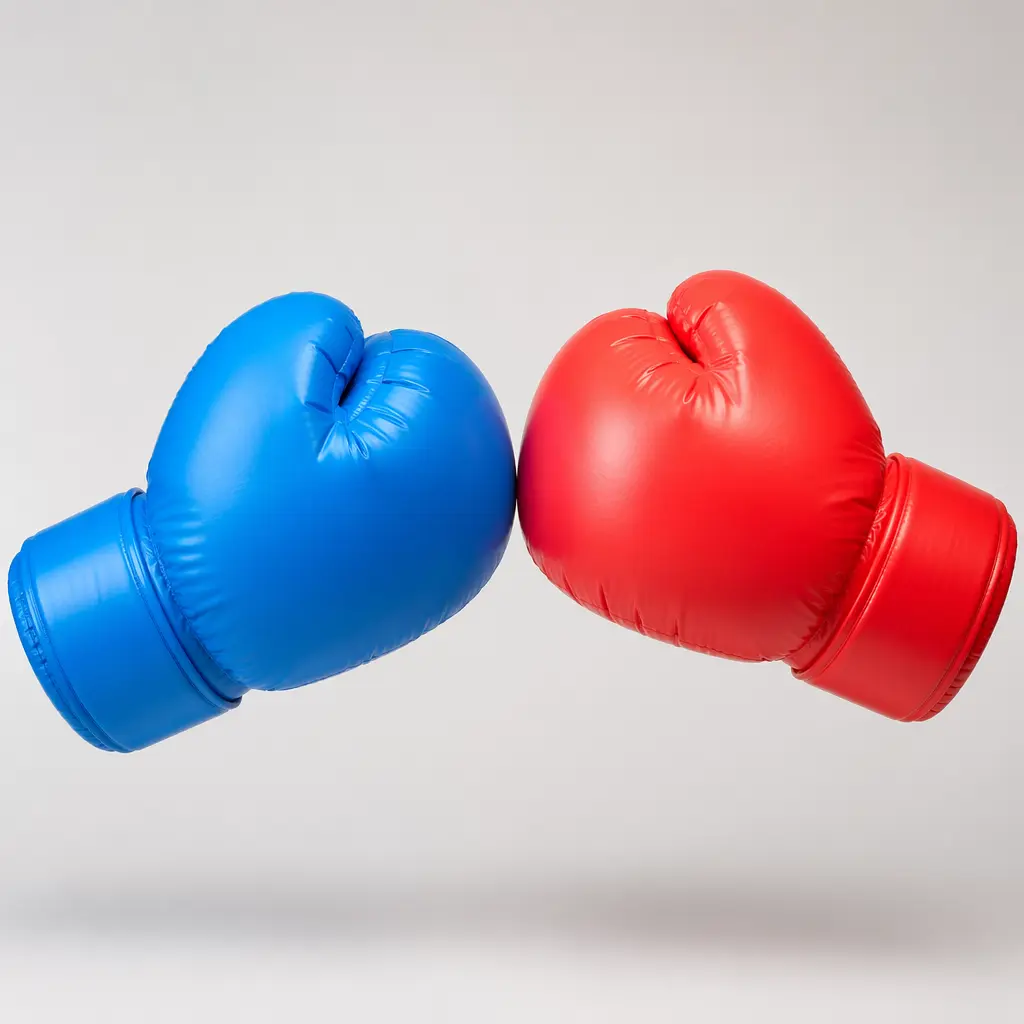
Socker Boppers turned backyard roughhousing into something parents could live with. Inflatable gloves, big laughs, and a clever safety-first pitch helped them become a 1990s playtime staple.
Compare prices and availability
Check current prices and availability for this guide on eBay.
As an eBay Partner, we may be compensated if you make a purchase.
Few toys capture the tension between kids’ urge to wrestle and parents’ desire for safety quite like Socker Boppers. Marketed with the unforgettable promise that you could “sock” your opponent without really hurting them, these inflatable gloves reframed roughhousing as something organized, silly, and—at least in theory—harmless. For many families, they became the rare toy that encouraged high-energy play without immediately triggering a parental no.
Where it came from
Socker Boppers debuted in 1992, a moment when toy companies were leaning hard into active play as an antidote to screens and sedentary pastimes. They were produced by Big Time Toys, a Chicago-based company that specialized in large, eye-catching items designed to stand out in toy aisles and TV commercials.
The original idea was simple: take the instinctive appeal of boxing and strip away the pain. By using air-filled vinyl gloves instead of padded foam, the toy created a playful parody of sparring. The marketing leaned heavily on reassurance, positioning Socker Boppers as safer than traditional play fighting, and therefore acceptable for backyards, basements, and birthday parties.
Why it works
At their core, Socker Boppers succeed because they turn chaos into a game with rules—even if those rules are mostly implied. Kids can run, swing, and tumble, but the inflated gloves blunt impact and exaggerate movement, making every hit feel more cartoonish than aggressive.
The design also taps into slapstick humor. The oversized proportions make kids look unbalanced and a little ridiculous, which lowers the emotional stakes. Falling over becomes part of the fun, not a loss.
- Inflatable vinyl construction that absorbs impact
- Oversized shape that limits precision and force
- Simple slip-on design with minimal setup
- Clear physical boundaries that define the play
Who it's for
Socker Boppers are typically aimed at elementary-age kids who have energy to burn and enjoy physical competition. They also hold nostalgic appeal for adults who remember the commercials and may be tempted to introduce them to a new generation. While the concept is playful, adult supervision is still important, especially when kids of different sizes are involved.
Variants and what to look for today
Over the years, Socker Boppers have gone through multiple revivals, sometimes under slightly different branding but with the same core idea. Modern versions generally stick to the original inflatable glove format, occasionally tweaking colors or materials to improve durability.
If you’re shopping today, look for sturdy seams, reliable air valves, and materials that feel thick enough to withstand repeated use. Cheaper inflatable knock-offs can lose air quickly or tear at stress points, which shortens playtime and increases frustration.
Frequently asked questions
Are Socker Boppers actually safe?
They’re safer than bare-handed roughhousing, but not risk-free. Inflatable gloves reduce impact, yet kids can still bump heads or fall. Clear rules and supervision matter.
Do they work indoors?
They can, but open space is important. Indoors, furniture and breakables add hazards, so many families reserve them for basements or outdoor play.
How long do they last?
With careful use and proper inflation, a set can last through many play sessions. Rough surfaces and overinflation are the most common causes of damage.
Socker Boppers endure because they solve a real parenting dilemma: how to let kids be physical without encouraging harm. By turning roughhousing into something exaggerated and rule-bound, they created a toy that feels mischievous to kids and manageable to adults—a balance that few active toys strike as cleanly.