Tamagotchi Connection 2025 and the Return of Pocket Pets
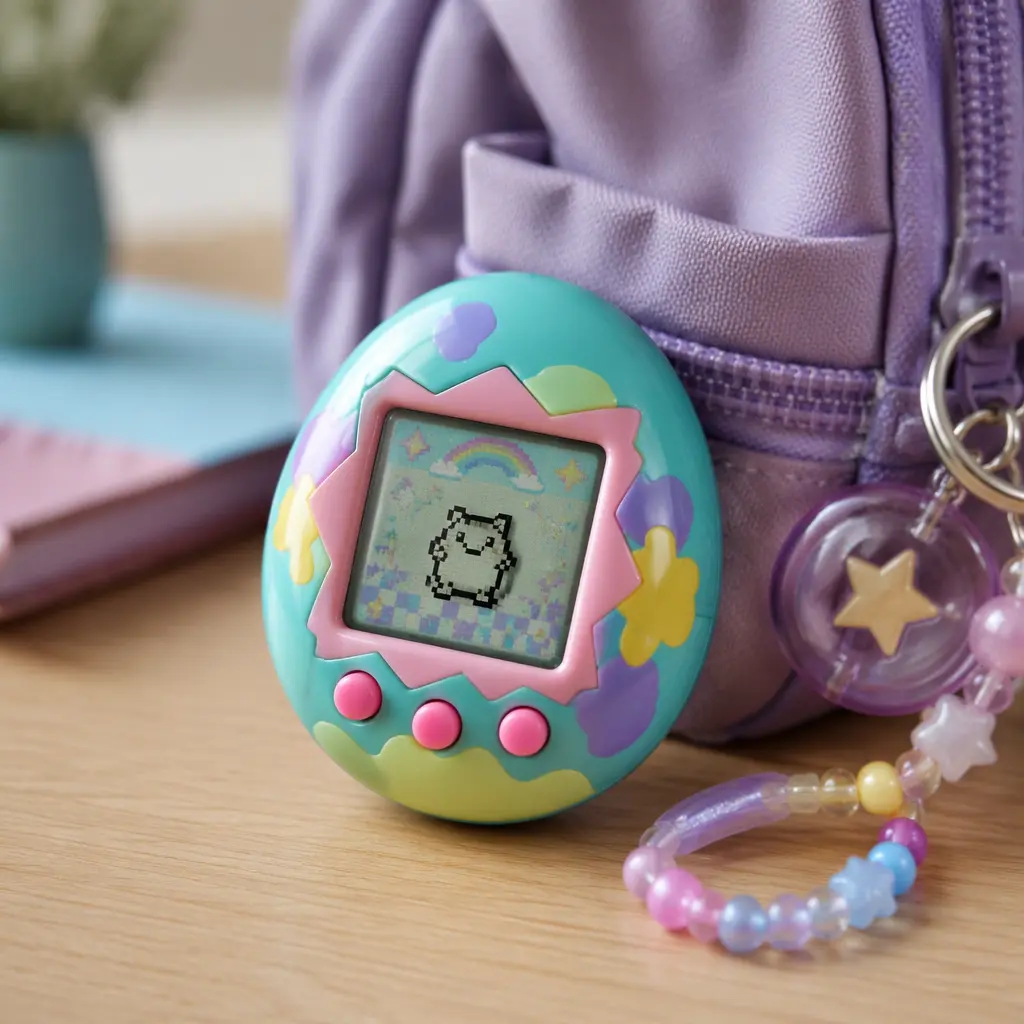
Bandai’s Tamagotchi Connection 2025 revisits the social virtual-pet formula that defined the 2000s, updating it for app-era expectations while keeping the familiar pocket-sized routine intact.
Compare prices and availability
Check current prices and availability for this guide on eBay.
As an eBay Partner, we may be compensated if you make a purchase.
The Tamagotchi name has cycled through several revivals since the original virtual-pet craze of the late 1990s, but the Tamagotchi Connection 2025 release leans into a particularly specific memory: the social side of carrying a tiny digital companion everywhere. Bandai’s modern version revisits the Connection-era idea that virtual pets become more interesting when they can interact with other devices, trade items, or unlock shared experiences. At the same time, it arrives in a market shaped by smartphones, connected apps, and parents who are more aware of privacy and screen-time habits than they were two decades ago.
Where it came from
Bandai originally launched Tamagotchi in the 1990s as a handheld digital pet designed around short but frequent interactions. Players fed, cleaned, entertained, and monitored a tiny creature that continued to exist even when the device was tucked away in a pocket or backpack. The toy quickly became a global fad because it turned basic routines into a low-stakes form of caregiving and collection.
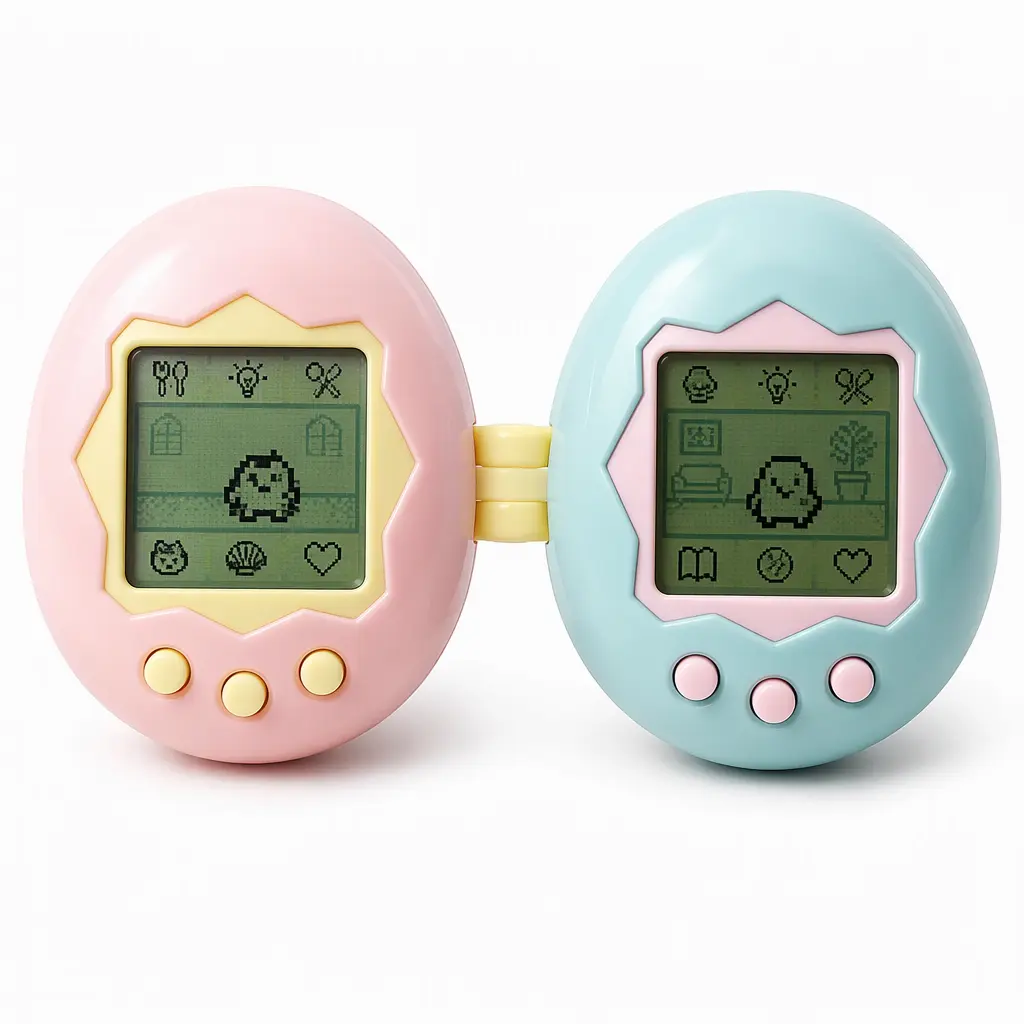
The Tamagotchi Connection line, introduced during the 2000s, expanded that idea by allowing devices to communicate with each other. Instead of raising a pet in isolation, owners could connect units for games, gifts, and relationship-building between characters. The 2025 revival taps into that era directly. Rather than treating nostalgia as a museum piece, Bandai positions the product as something that fits alongside modern habits: customizable accessories, collectible shells, and social play that echoes app-based sharing culture without requiring a full-time smartphone experience.
Why it works
Part of Tamagotchi’s enduring appeal is its scale. The device asks for attention in tiny bursts rather than long sessions, which makes it feel different from many modern games and apps. Caring for a virtual pet becomes a background ritual woven into daily routines: checking in before school, during a commute, or while waiting in line. That structure gives the toy a surprisingly personal quality despite its simple graphics and limited controls.
The Connection format adds another layer because interaction extends beyond the individual player. Earlier generations of the toy became playground conversation starters, and the 2025 version aims to recreate that social energy. Even in an era dominated by online multiplayer systems, there is still novelty in physically bringing two devices together and triggering a shared event through direct connection.
- Pocket-sized design meant for quick interactions throughout the day
- Simple button controls that remain approachable for younger players
- Connection-based social play between compatible devices
- Pixel-art animation style that preserves the original visual identity
- Collectible shells and cosmetic variations that encourage personal expression
- Battery-powered standalone play rather than full smartphone dependence
Who it's for
The Tamagotchi Connection 2025 release sits in an unusual age range because it appeals to both children discovering virtual pets for the first time and adults revisiting a childhood favorite. Younger players are likely to respond to the caretaking loop and collectible aspects, while older fans may be drawn to the retro hardware design and familiar sound effects. Parents looking for a lighter alternative to app-heavy entertainment may also appreciate that the toy can function as a self-contained device rather than a constant internet-connected platform. That said, the experience still depends on regular attention, and very young children may need help understanding feeding schedules, menu navigation, or battery management.
Variants and what to look for today
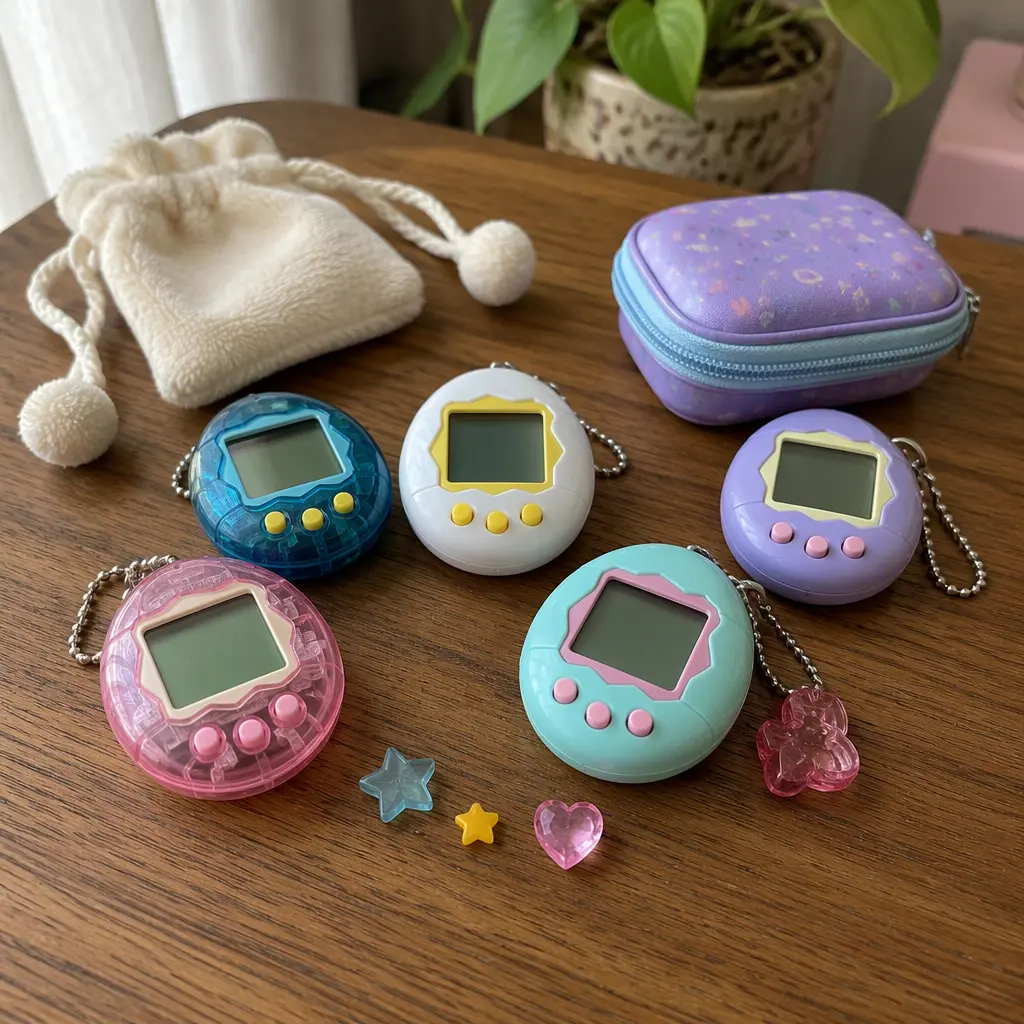
Bandai has historically released Tamagotchi devices in multiple shell colors and cosmetic themes, and the 2025 Connection revival follows that pattern. For many collectors and casual buyers alike, appearance becomes part of the appeal. Some players choose a design based on nostalgia for older releases, while others treat the device more like a wearable accessory clipped to a bag or keychain.
Buyers comparing modern Tamagotchi releases should pay attention to feature differences between product families. Some recent devices focus on classic standalone care mechanics, while others add expanded social systems, downloadable content, or app integration. Compatibility between generations can vary, so players hoping to connect with friends may want to confirm that their devices support the same interaction methods.
- Look for official Bandai packaging when possible to reduce the risk of low-quality imitators
- Check whether a version emphasizes standalone play or app-connected features
- Consider battery type and expected replacement needs before gifting
- Collectors often choose shell designs based on nostalgia or display appeal
- Connection-focused versions are generally more fun when multiple people own compatible devices
Frequently asked questions
Does Tamagotchi Connection 2025 require a smartphone?
The core Tamagotchi experience is typically designed to work as a standalone handheld toy. Some modern releases may include optional app-related features or companion connectivity, but the basic pet-care loop remains centered on the device itself rather than continuous phone use.
Is it the same as the original 1990s Tamagotchi?
Not exactly. The Connection line builds on the original formula by emphasizing interactions between devices and expanding social features. The visual style and daily care routines remain recognizable, but newer releases often include additional activities, customization options, and quality-of-life updates.
Are these toys mainly for collectors now?
Collectors remain a major part of the audience, especially adults who owned earlier versions, but the format is still accessible for children. The controls are intentionally simple, and the short interaction cycles make the toy easy to pick up without prior gaming experience.
How connected or online is the experience?
That depends on the specific release. Some Tamagotchi products are entirely self-contained, while others add optional app features or device-to-device communication. Buyers interested in privacy or offline play may want to check whether any online account features, downloads, or regional app support are involved before purchasing.
The Tamagotchi Connection 2025 revival succeeds because it does not try to compete directly with smartphones or large gaming platforms. Instead, it leans into the qualities that made virtual pets memorable in the first place: routine, portability, and a surprisingly emotional attachment to a tiny animated creature. In a market crowded with high-resolution screens and endless notifications, the small plastic egg still stands out by asking players to care for something simple, social, and deliberately low-tech.