Tamagotchi Paradise and the Return of the Digital Pet
Bandai’s Tamagotchi Paradise revives the digital-pet formula for a new generation, mixing portable care gameplay with modern app-connected expectations and familiar concerns about screen habits.
Compare prices and availability
Check current prices and availability for this guide on eBay.
As an eBay Partner, we may be compensated if you make a purchase.
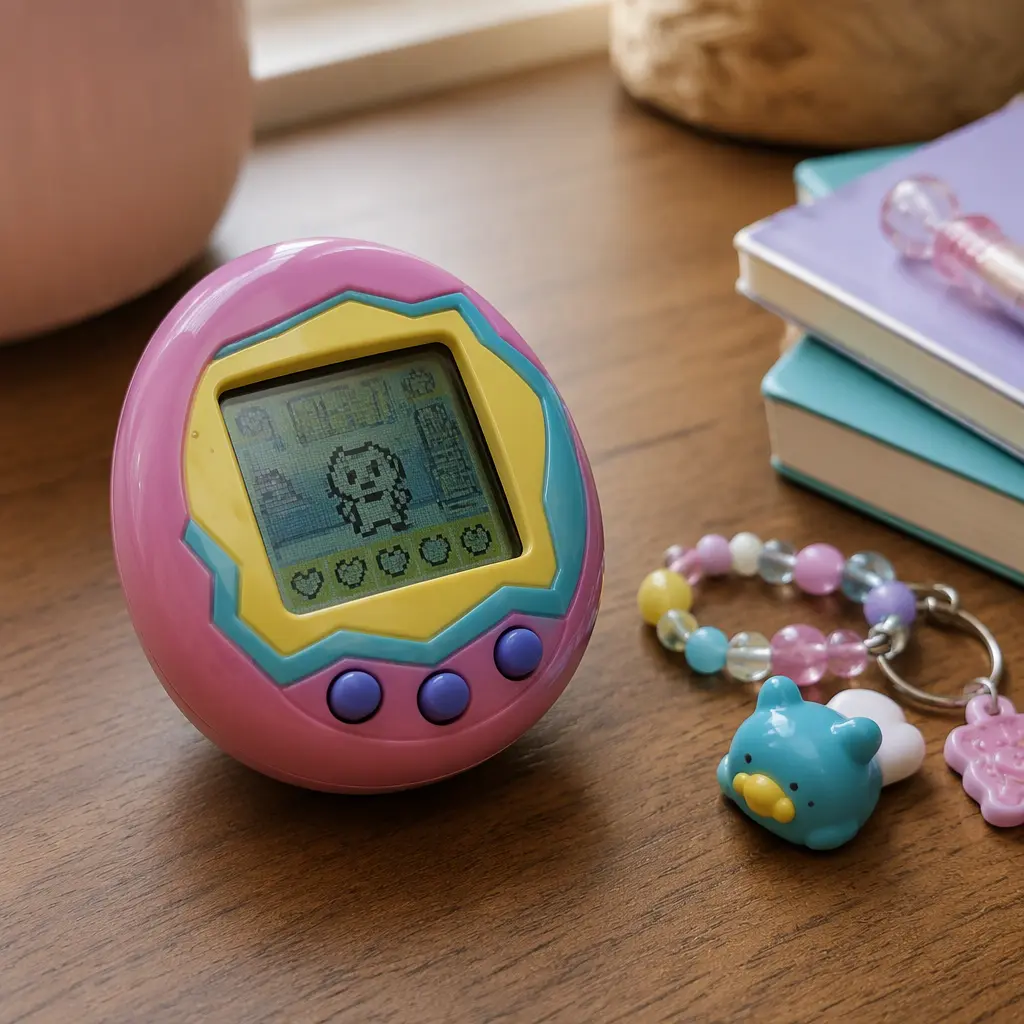
Tamagotchi Paradise arrives at a moment when digital pets are no longer a novelty but part of a larger conversation about connected play, nostalgia and screen time. Bandai’s newer push around the Tamagotchi brand revisits the familiar formula that made virtual pets a playground obsession in the late 1990s: feed a tiny creature, clean up after it, play mini-games and keep it healthy long enough to see it evolve. The difference now is that modern toy buyers expect brighter screens, expanded interactions and, increasingly, links to apps or online features that stretch play beyond the device itself.
Where it came from
The Tamagotchi name has carried unusual staying power for a toy line built around a simple idea. The original devices from Bandai turned caregiving into portable play, asking children to respond to alarms and status changes throughout the day. That small loop of attention and reward became one of the defining toy trends of the late 20th century, especially because the toy could fit into a pocket or clip onto a backpack while still feeling alive and reactive.
Tamagotchi Paradise continues that lineage while reflecting how toy companies now blend standalone gadgets with broader digital ecosystems. Bandai has positioned newer Tamagotchi releases as both nostalgia products for adults who remember the original craze and approachable electronic pets for children encountering the concept for the first time. The contemporary approach also brings renewed discussion around companion apps, account systems and the expectation that connected toys remain engaging over time through updates, downloadable content or social features. Even when the handheld remains the center of play, parents often want to know how dependent the experience is on a phone, internet connection or cloud-linked services.
Why it works
The enduring appeal of a Tamagotchi-style toy comes from how efficiently it turns routine tasks into emotional investment. A virtual creature that reacts to neglect or attention creates a low-stakes sense of responsibility, especially for younger players. Unlike larger electronic toys that stay in one place, a digital pet travels with its owner, turning quick check-ins into part of a daily routine. That portability is central to why the category continues to resurface every few years.
Modern versions expand the formula with smoother animations, larger displays and broader activity systems, but the core loop remains recognizable. Feed, play, clean, rest and evolve. Some contemporary digital pets also include social interactions between devices or app-linked progression systems designed to encourage longer engagement. For families, that can be either a strength or a concern depending on how much connectivity the experience expects.
- Portable caregiving gameplay built around short interactions
- Creature evolution systems that reward consistent attention
- Mini-games that break up routine maintenance tasks
- Battery-powered play that can still function away from phones
- Nostalgia appeal for adults familiar with earlier Tamagotchi generations
- Potential app or online tie-ins that extend progression or customization
Who it's for
Tamagotchi Paradise is likely to appeal to two overlapping groups: children interested in collectible electronic pets and adults returning to a toy they remember from earlier decades. Younger players often enjoy the nurturing routine and unlockable creature forms, while older fans are drawn to the recognizable egg-shaped hardware and familiar care mechanics. As with many connected electronic toys, parents may want to check whether certain features require a companion app, account setup or regional online support. Battery life, notification frequency and the ability to mute alerts can also shape whether the toy fits comfortably into school routines or shared household spaces.

Variants and what to look for today
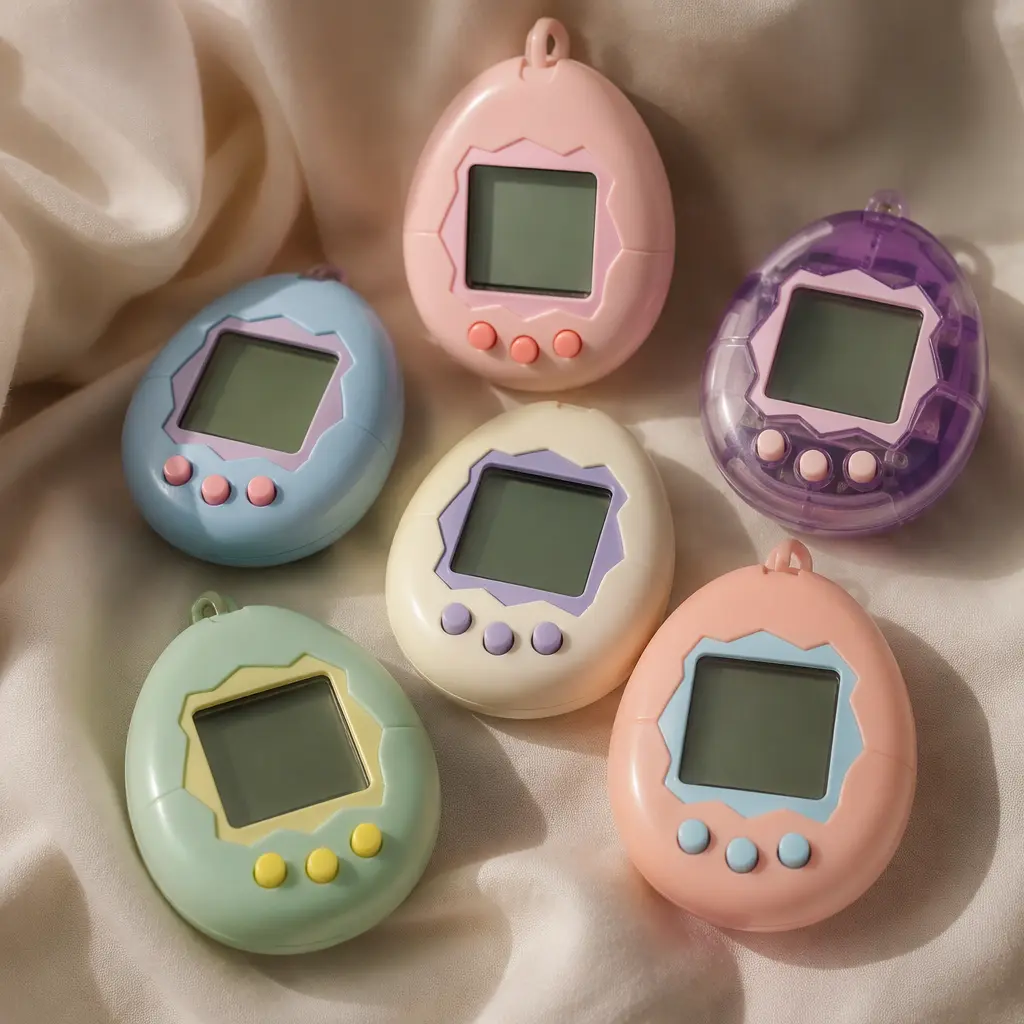
One challenge with modern Tamagotchi releases is that the product family can vary widely between regions and generations. Some devices focus on straightforward virtual-pet care while others emphasize social play, collecting mechanics or app-linked extras. Retail listings may also use similar branding across different hardware revisions, so buyers benefit from checking whether a specific version supports color graphics, rechargeable batteries, connectivity features or standalone offline play.
Collectors and returning fans often seek devices that preserve the simpler care-focused structure of earlier Tamagotchi eras, while younger users may prefer versions with larger screens and more activities. Generic virtual-pet toys from other manufacturers can look similar at first glance, but build quality, screen clarity and menu responsiveness may differ noticeably. It is also worth confirming device compatibility if a toy advertises smartphone connectivity, since app support and operating-system requirements can change over time.
- Look for clear information about offline functionality
- Check whether companion apps are optional or central to gameplay
- Compare screen style and control layouts between versions
- Consider notification volume and mute options for daily use
- Buy from established retailers to reduce the risk of low-quality imitations
Frequently asked questions
Does Tamagotchi Paradise require a smartphone?
That depends on the specific version and how Bandai structures its connected features. Many digital pets can still handle core feeding and care gameplay directly on the device, while apps may add customization, social features or expanded content.
Is this the same as the original 1990s Tamagotchi?
The basic idea is similar, but modern releases typically include updated displays, additional activities and expanded creature interactions. Contemporary versions may also introduce connectivity features that did not exist during the original toy craze.
Are digital pets suitable for younger children?
Many virtual pets are designed for school-age children, though the frequent reminders and ongoing care loops can become frustrating for some younger players. Parents may want to review notification settings and supervision needs before purchase.
Can a Tamagotchi still be fun without online features?
For many fans, yes. The appeal of the category has traditionally come from the self-contained routine of caring for a virtual creature. Connected features may expand the experience, but the basic loop often works best as a simple handheld companion.
Tamagotchi Paradise shows how durable the virtual-pet idea remains decades after the original devices first appeared. The technology surrounding the category has changed, but the central appeal has not: a tiny creature in your pocket that asks for attention, reacts to care and turns ordinary routines into a miniature relationship. Whether buyers see that as charming nostalgia or another form of always-on engagement will likely shape how this latest generation of digital pets is received.