Tombot Puppy Cuddle and the Rise of Comfort Robotics
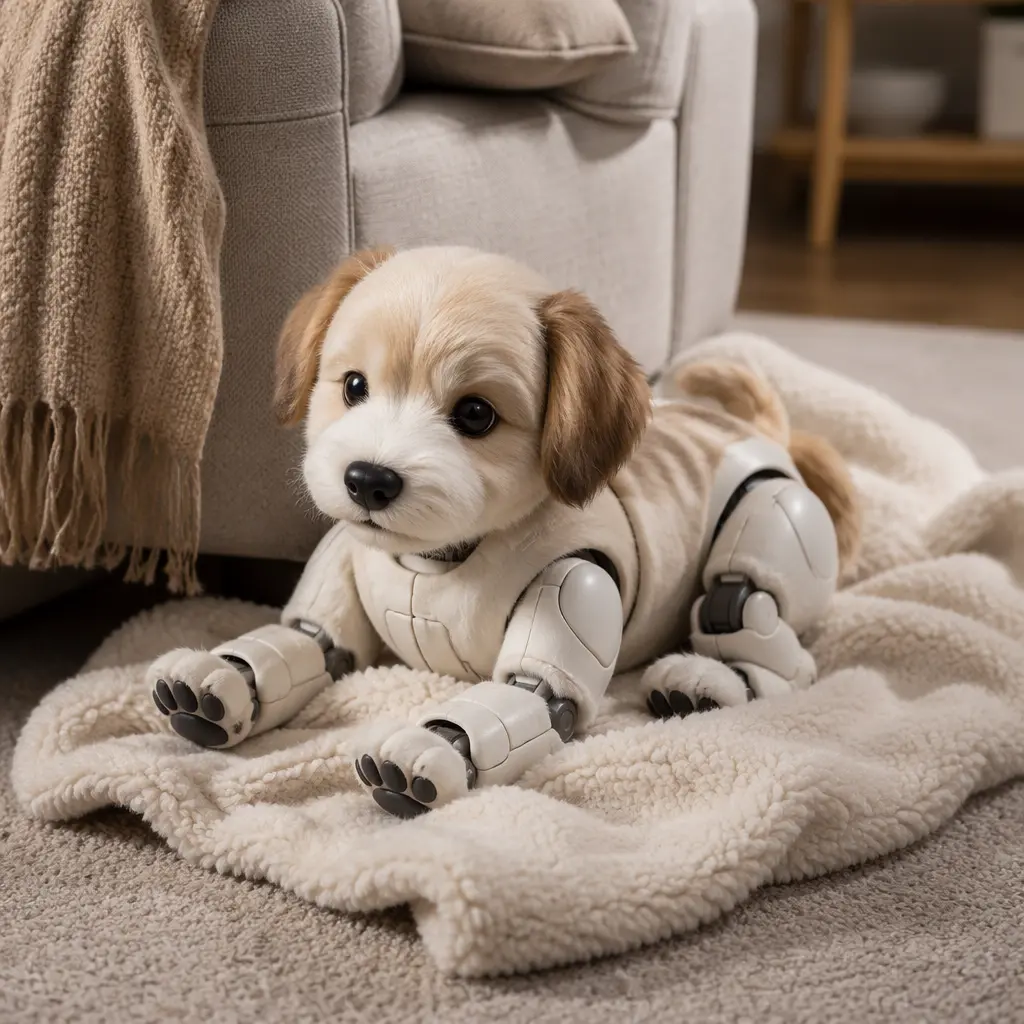
Tombot Puppy Cuddle is part companion robot, part comfort object, built to mimic the calming presence of a pet without the demands of animal care. Its launch highlights the growing role of emotional robotics in homes and care settings.
Compare prices and availability
Check current prices and availability for this guide on eBay.
As an eBay Partner, we may be compensated if you make a purchase.
Tombot Puppy Cuddle sits in a growing category of companion robots designed less for active play and more for emotional comfort. The product resembles a small puppy and responds with movement, sounds and interactive behavior intended to simulate some of the calming routines associated with pet ownership. Unlike traditional toy robots aimed at tricks, coding or fast-paced entertainment, this kind of device is positioned around companionship, routine interaction and sensory reassurance. Its audience stretches beyond children to older adults, families and caregivers looking for alternatives to live-animal care in homes where allergies, housing rules, health concerns or mobility limits can make real pets difficult to manage.

Where it came from
Robotic pets are not new, but the current wave of comfort-focused designs reflects a broader interest in social robotics and emotionally responsive technology. Earlier electronic pets often leaned toward novelty, with exaggerated sounds or game-like interactions. More recent products have moved toward realism and soothing behavior, especially for use in elder care settings, memory care programs and stress-reduction environments.
Tombot has presented Puppy Cuddle as part of that shift. The concept centers on creating a companion-like experience without the responsibilities that come with feeding, walking, veterinary care or cleanup. The timing also matters. Interest in socially assistive robots increased during years when isolation, remote caregiving and aging-in-place discussions became more visible. That has created space for products that blur the line between toy, wellness device and home companion technology. Even so, products in this category raise ongoing questions about emotional attachment to machines, how realistic interactions should become and whether simulated companionship changes expectations around caregiving and social connection.
Why it works
The appeal of a robotic puppy is relatively easy to understand. Many people already associate repetitive pet behaviors with comfort: a dog resting nearby, reacting to touch or responding to attention. Companion robots attempt to recreate some of those cues through sensors, movement and sound design. The goal is usually not perfect realism. Instead, the design aims for predictability and reassurance. Small head movements, soft vocal responses and touch-triggered reactions can make the interaction feel responsive without requiring complex conversations or demanding care routines.
Tombot Puppy Cuddle also reflects a wider design trend in consumer robotics: reducing friction. Traditional robotic toys sometimes ask users to learn commands, maintain accessories or connect constantly to apps. Comfort robots tend to emphasize immediate interaction. A person can pick the puppy up, pet it or place it nearby without needing structured gameplay. That simplicity is part of the attraction for households that may not want a more complicated connected device.
- Lifelike puppy-inspired appearance intended to encourage comforting interaction
- Movement and sound responses designed around touch and proximity
- Companion-style play pattern rather than competitive or skill-based play
- Appeal that spans children, adults and seniors rather than a narrow toy audience
- Potential usefulness in settings where live pets are impractical or restricted
Who it's for
Although marketed with broad family appeal, products like Tombot Puppy Cuddle are often discussed most heavily in relation to older adults, people living alone and users who may benefit from calming sensory interaction. Younger children may still enjoy the puppy as a responsive electronic toy, but the design language is notably softer and quieter than many mainstream robotic pets aimed at kids. Adults who miss having a pet, families supporting aging relatives or households unable to care for live animals may find the concept more compelling than traditional toy collectors do. Because this is a connected electronics category, buyers should also consider setup requirements, charging routines, app compatibility where applicable and how much functionality depends on ongoing software support or cloud-connected services.
Variants and what to look for today
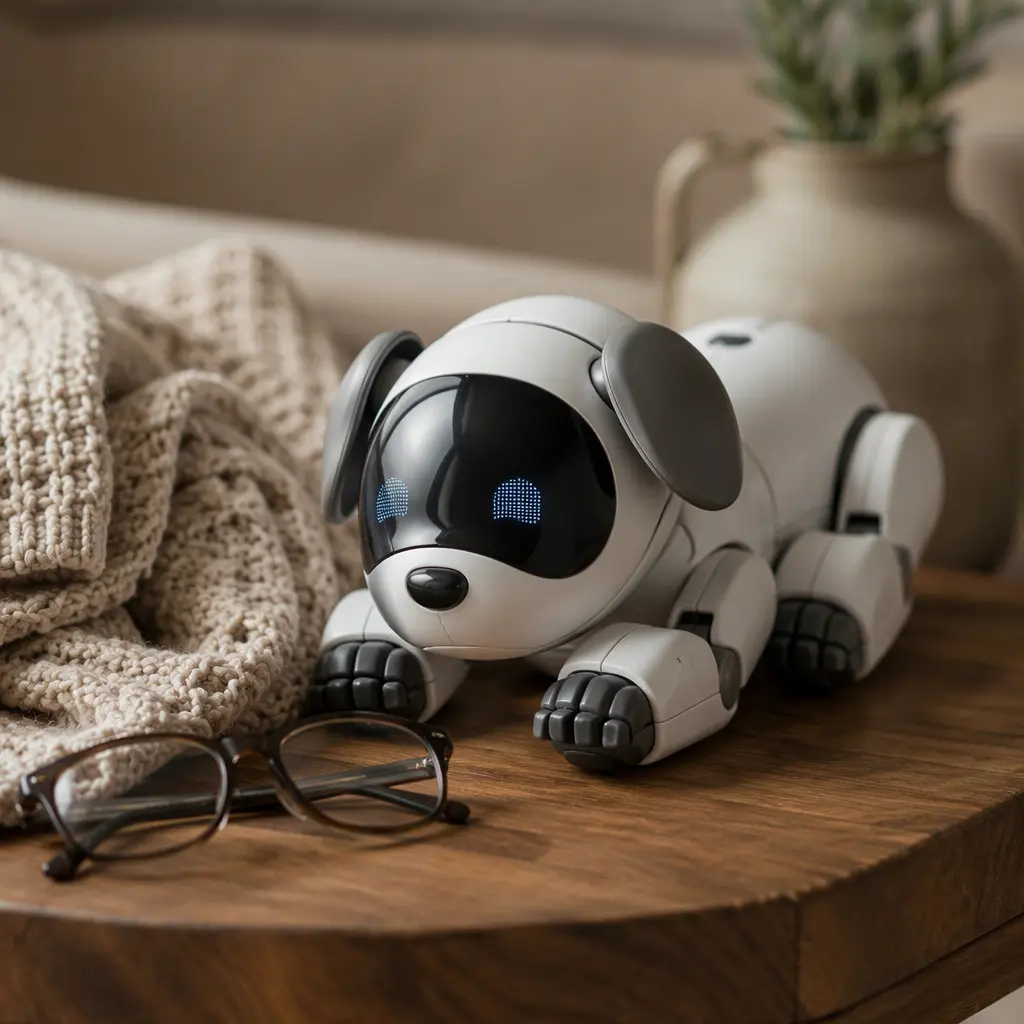
The robotic pet category now includes everything from plush interactive animals to highly animated companion robots with cameras, microphones and app-connected features. Buyers comparing products in this space should pay attention to how interactions are generated. Some devices rely mostly on scripted responses and sensor triggers, while others may incorporate AI-assisted behavior or cloud-connected updates. That distinction matters for privacy expectations, internet dependence and long-term usability if online services change over time.
Physical design also varies widely. Some robotic pets prioritize realistic fur textures and quiet operation, while others intentionally look stylized or cartoonish. Families shopping for a comfort-oriented companion may prefer simpler interactions and less aggressive sound design. It is also worth checking whether the device remains useful offline or if key functions require app pairing. Products marketed around emotional companionship sometimes collect interaction data through microphones or connected apps, so reviewing manufacturer privacy information is an important part of the purchase decision.
- Check whether core features work without constant internet access
- Look for clear manufacturer information about microphones, sensors and app permissions
- Consider charging methods and battery maintenance for long-term use
- Compare realism versus durability depending on the intended user
- Avoid extremely cheap imitation products with unclear support or safety documentation
Frequently asked questions
Is Tombot Puppy Cuddle an AI-powered pet?
The broader category mixes scripted robotics with AI-assisted behavior, but not every interactive response qualifies as generative AI. Many companion robots primarily use sensors, programmed reactions and prebuilt behavior patterns rather than open-ended conversation systems.
Does it replace a real pet?
For most users, the experience is closer to simulated companionship than true pet ownership. The attraction is often the emotional routine of interaction without feeding, training, walking or veterinary responsibilities.
Do robotic comfort pets need apps?
Some companion robots can function largely on their own, while others use apps for setup, updates or customization. Buyers should check whether internet access or smartphone pairing is required for important features.
Why are robotic pets becoming more common?
The category reflects several trends at once: aging populations, interest in wellness technology, advances in small robotics and growing acceptance of emotionally responsive consumer devices. They also appeal to households where live pets are difficult because of cost, housing rules, allergies or caregiving limits.
Tombot Puppy Cuddle represents more than another electronic toy launch. It highlights how the definition of “play” continues to expand into companionship, comfort and emotional interaction. Whether people see that as helpful technology, unsettling simulation or a practical middle ground depends partly on what they want from a pet-like experience in the first place. What is clear is that comfort robotics are moving steadily closer to mainstream consumer products, bringing both convenience and new questions about how people relate to machines designed to feel emotionally present.