Uncle Goose Blocks: Wooden blocks that made language hands-on
Since the 1980s, Uncle Goose Blocks have turned letters and numbers into tactile play. Loved by parents, teachers, and designers, they blend heirloom craft with early literacy.
Compare prices and availability
Check current prices and availability for this guide on eBay.
As an eBay Partner, we may be compensated if you make a purchase.
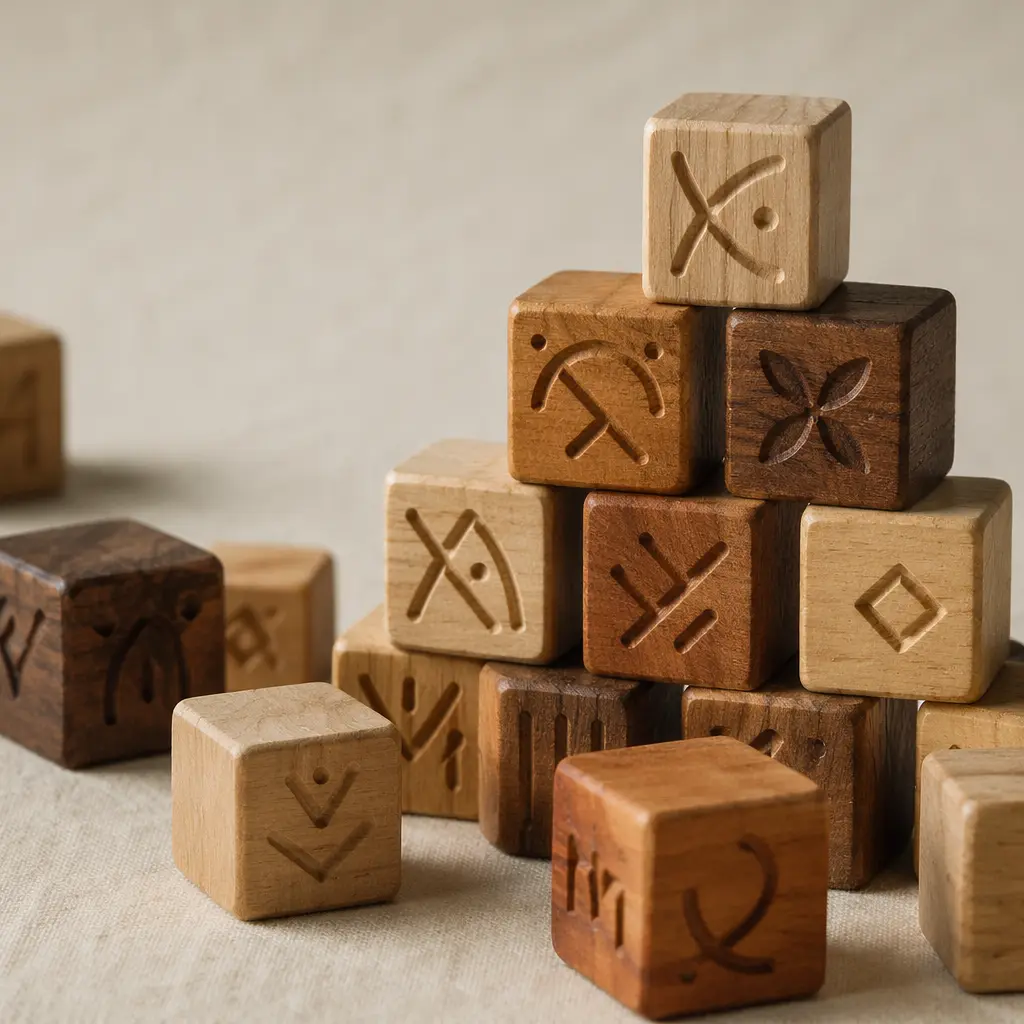
Uncle Goose Blocks occupy a rare space in the toy world: they are educational without feeling instructional, beautiful without being precious. At heart, they are wooden blocks—but blocks that treat letters, numbers, and symbols as objects to be touched, turned, and explored. For many families and classrooms, they’ve become a first introduction to the idea that language isn’t just something you see on a page, but something you can hold in your hand.
Where it came from
Uncle Goose Blocks were first introduced in 1983, emerging from a small American maker with an interest in both traditional woodworking and early childhood education. At a time when plastic learning toys were becoming dominant, Uncle Goose took a deliberately different path: solid wood, careful engraving, and designs rooted in classic typography and math concepts.
The original idea was simple but ambitious—to create blocks that could support literacy, numeracy, and spatial thinking all at once. Rather than focusing on flashy features, the brand leaned into permanence and clarity. These were meant to be toys that lasted, both physically and developmentally, passed from one child to the next.
Why it works
The appeal of Uncle Goose Blocks lies in how they slow play down. Each block has weight. Each marking requires a closer look. Children aren’t rushed toward a single outcome; instead, they’re invited to stack, sort, spell, count, and invent. The tactile feedback of wood—its warmth, grain, and resistance—adds a sensory layer that screens and lightweight plastics can’t replicate.
From a design perspective, the blocks succeed because they are open-ended. They don’t tell a child what to do next. A toddler might simply enjoy knocking down a tower, while an older child uses the same pieces to build words or explore patterns.
- Solid hardwood construction with noticeable weight
- Engraved markings that won’t peel or fade
- Multiple concepts on a single block (letters, numbers, symbols)
- Proportions that work for both stacking and sorting
Who it's for
Uncle Goose Blocks are typically introduced in the preschool years, but their usefulness stretches well beyond that. Younger children benefit from basic motor play and shape recognition, while early readers use them to explore spelling and phonics. There’s also a notable adult audience: teachers, designers, and parents who appreciate typography often display them on shelves or desks. They’re one of those toys that don’t look out of place in a living room long after childhood.
Variants and what to look for today
Over the years, the Uncle Goose line has expanded beyond a single alphabet set. Today, you’ll find variations focused on uppercase and lowercase letters, numbers and math symbols, and even sets inspired by historical type styles. While the core idea remains the same, the differences lie in scale, density of information, and intended age range.
When shopping today, pay attention to the wood quality and engraving depth. Well-made blocks should feel substantial, with smooth edges and clearly carved markings. As with many popular wooden toys, there are generic lookalikes on the market. These can be fine for casual play, but they often lack the crisp detail and balance that make Uncle Goose sets stand out.
Frequently asked questions
Are Uncle Goose Blocks safe for young children?
They are generally designed with children in mind, using smooth finishes and non-toxic materials. However, because the blocks are solid and relatively heavy, they’re best used with age-appropriate supervision, especially for toddlers.
Do they actually help with learning to read?
They support early literacy by making letters tangible, but they’re not a complete reading program. Think of them as a complement to books and conversation, encouraging curiosity about how language works.
Are they just for classrooms?
Not at all. While they’re popular with educators, many families use them at home for free play. Their neutral, classic look also makes them easy to leave out without feeling like clutter.
Do adults really buy them for themselves?
Yes. Designers, writers, and typography fans often appreciate them as desk objects or display pieces. They sit comfortably at the intersection of toy and design object.
In a market crowded with short-lived trends, Uncle Goose Blocks have endured by staying focused on fundamentals: good materials, thoughtful design, and respect for how children actually play. They’re not loud or flashy, but they don’t need to be. Their quiet confidence is exactly what keeps them relevant, decades after their debut.