Weebles: The roly‑poly toys that never tipped childhood over
Introduced in the early 1970s, Weebles turned a simple physics trick into comforting play. Their weighted wobble made them hard to knock down—and easy to love.
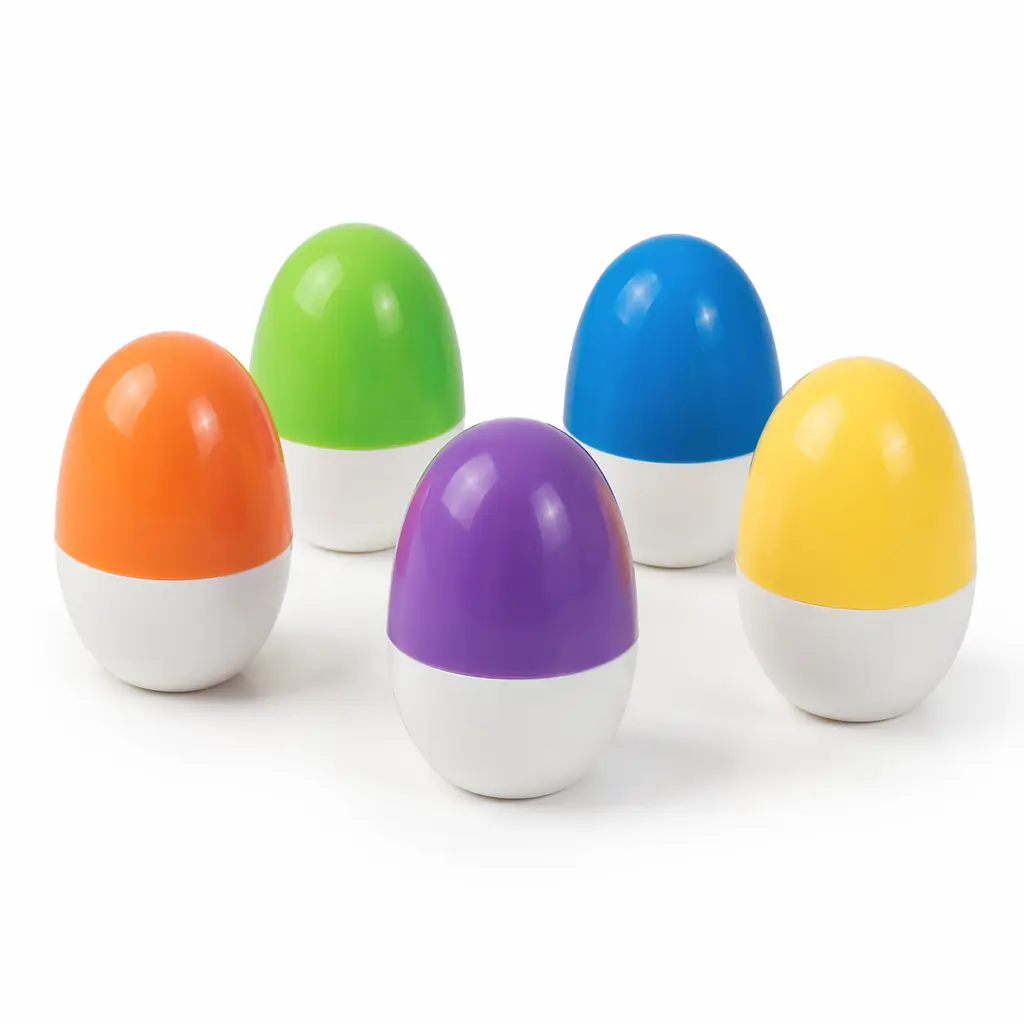
Compare prices and availability
Check current prices and availability for this guide on eBay.
As an eBay Partner, we may be compensated if you make a purchase.
Few toys explain themselves as quickly as Weebles. You push them, they wobble, and they spring right back up. That simple motion—half physics lesson, half reassurance—turned these small figures into a quiet classic of 1970s playrooms. At a time when many toys were noisy or competitive, Weebles offered something gentler: characters that wouldn’t fall over, no matter how clumsy or curious the hands exploring them.
Where it came from
Weebles were introduced in 1971 by Playskool, a company already well known for preschool toys that balanced fun with early learning. The idea wasn’t to create a complex game or collectable system, but to build figures that toddlers could manipulate with confidence. By placing a weight in the rounded base of each figure, designers ensured the toy’s centre of gravity always pulled it back upright.
The timing mattered. Early‑1970s parents were increasingly interested in toys that supported developmental milestones—grasping, cause and effect, pretend play—without screens or sharp edges. Weebles fit neatly into that shift. Their slogan, often paraphrased rather than quoted, became shorthand for resilience, embedding the toy in wider pop culture.
Why it works
At the heart of Weebles is a mechanical trick so simple it feels almost magical to young children. No batteries, no instructions—just a predictable, repeatable response to touch. That predictability is exactly what makes the toy satisfying. Children learn very quickly what will happen, then delight in making it happen again.
Beyond the wobble, Weebles also encouraged early pretend play. Sets were often themed around everyday scenes, inviting children to arrange figures, knock them over, and set them upright again as part of small stories. Standout design features included: - A weighted, rounded base that always returns upright - Chunky, easy‑to‑grasp shapes sized for small hands - Durable plastic built to survive drops and throws - Simple, friendly forms that suggested characters without fragile details
Who it’s for
Weebles were designed with toddlers and preschoolers in mind, typically appealing from around 18 months through to early school age. The lack of small detachable parts made them reassuring for parents, while the physical comedy of the wobble kept children engaged. Adults often feel a pull too—either through nostalgia or through an appreciation of how elegantly the toy solves a play problem with physics rather than electronics.
Variants and what to look for today
Over the years, Weebles appeared in many themed sets, from family groups to community scenes. Today, original vintage figures are mainly found through second‑hand marketplaces, while modern reissues and look‑alike roly‑poly toys aim to recreate the same effect. When browsing, focus less on branding and more on build quality.
Good modern versions should feel stable when set down and return smoothly when nudged, not rattle or tip awkwardly. Avoid ultra‑light copies that lack enough base weight, as they miss the core appeal. For collectors, condition matters: cracks around the base or loose internal weights can affect both play and display.
Frequently asked questions
Are Weebles safe for toddlers?
Originally, yes—they were designed specifically for young children. With vintage toys, always check for cracks or loose parts, and supervise play just as you would with any older plastic toy.
Do modern versions work the same way?
Most modern roly‑poly toys use the same weighted‑base principle. The experience can vary depending on materials and balance, so some wobble more smoothly than others.
Why were they so popular in the 1970s?
They matched a growing interest in developmental toys and stood out for their simplicity. In an era before digital distractions, a toy that responded reliably to touch had lasting appeal.
Are they collectible now?
Some families collect them for nostalgia rather than investment. Complete themed sets in good condition tend to be the most sought after.
Weebles endure because they never tried to be more than they needed to be. By turning a basic law of physics into a comforting, repeatable play pattern, they earned a lasting place in toy history. Whether encountered as a memory or discovered fresh by a new generation, their wobble still carries the same quiet promise: it’s okay to tip over—you’ll get back up.