Wikki Stix: Why bendable wax sticks stuck around
Bright, bendable wax sticks that don’t spill or dry out, Wikki Stix became a quiet classroom hero by making open-ended art simple, portable, and mess-free.
Compare prices and availability
Check current prices and availability for this guide on eBay.
As an eBay Partner, we may be compensated if you make a purchase.
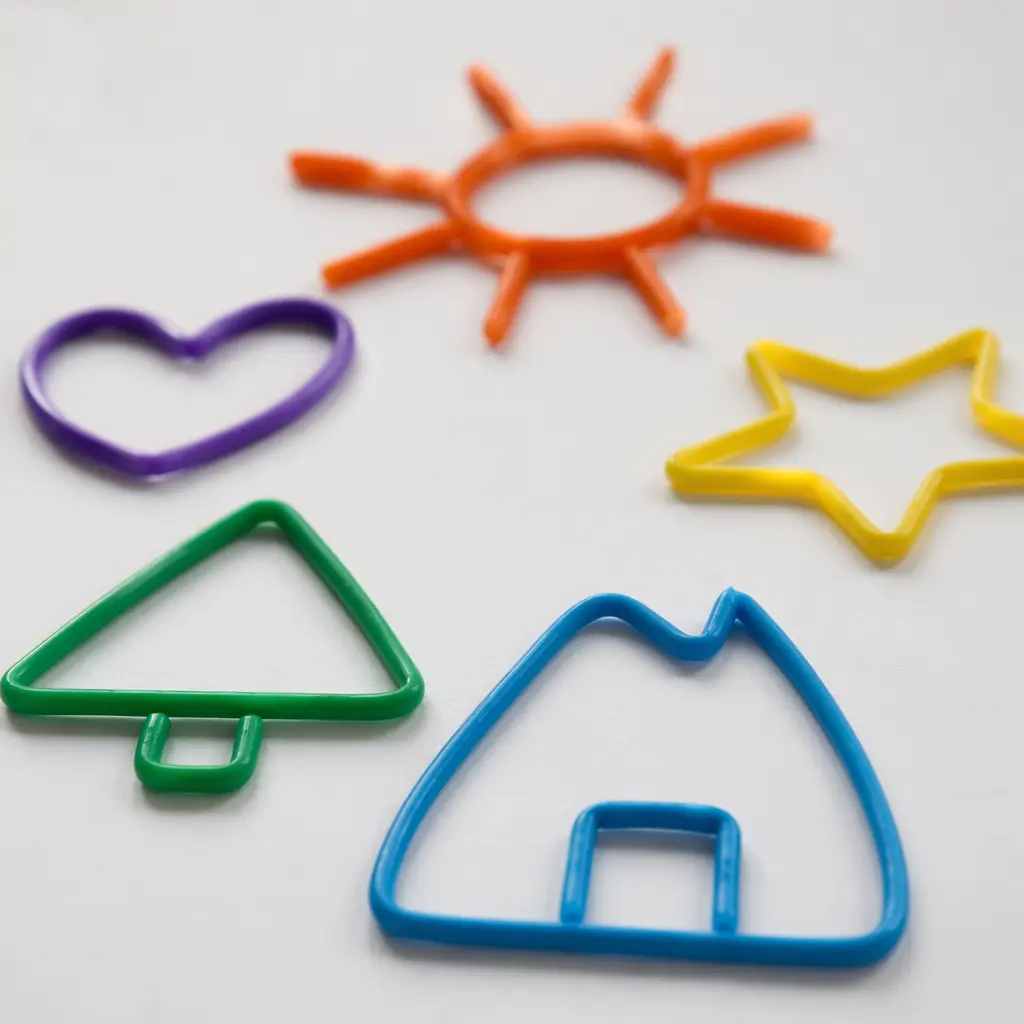
Wikki Stix are easy to overlook—just thin strings coated in wax—but their staying power tells a bigger story. For parents and teachers tired of spills, dried-out markers, and glue everywhere, these bendable sticks quietly solved a problem. They let kids draw, build, and design without the usual cleanup, turning almost any surface into a temporary canvas.
Where it came from
Wikki Stix emerged in 1990, created by the Wickel family in the United States. The idea grew out of a simple observation: kids love strings, yarn, and pipe cleaners, but those materials fray, shed, or require glue and scissors. By coating yarn-like strands with a low-tack wax formula, the family created something that would stick lightly to surfaces and to itself.
The original purpose wasn’t flashy art—it was practical creativity. Early sets were pitched to classrooms and therapy settings, where mess control and reusability mattered as much as imagination. That educational foothold helped Wikki Stix spread steadily through schools before becoming a familiar sight in homes.
Why it works
The appeal of Wikki Stix comes from their balance of freedom and control. Kids can bend them like noodles, but the wax coating gives just enough resistance to hold a shape. They stick without adhesives, peel up cleanly, and can be reused again and again.
Unlike crayons or paint, there’s no permanent mark. That makes experimentation low-stakes—mistakes lift right off. It’s also why adults keep them around for travel, waiting rooms, and classrooms where cleanup time is limited.
- Lightly adhesive wax coating—no glue required
- Flexible but shape-holding design
- Reusable and portable
- Works on many surfaces without residue
Who it’s for
Wikki Stix are typically used by children aged three and up, when fine motor control and supervision are appropriate. Younger kids enjoy simple lines and shapes, while older children build pictures, letters, and even basic 3D forms. There’s also an adult audience: teachers, therapists, and parents appreciate them as a calming, screen-free activity that packs flat and doesn’t make a mess.
Variants and what to look for today
Over time, Wikki Stix expanded from basic multicolor packs into themed sets aimed at specific skills—alphabet practice, counting, or picture guides. Some sets include boards or cards to build on, while others focus on free-form creativity with lots of pieces.
When shopping today, look for packs that match how they’ll be used. Classrooms benefit from bulk assortments with many colors, while travel packs are smaller and sturdier. Generic wax sticks exist, but quality varies; poorly coated versions may crumble or leave residue.
Frequently asked questions
Do Wikki Stix dry out?
No. Because they’re coated in wax rather than liquid ink or paint, they don’t dry out. With proper storage, they can be reused for years.
Will they damage walls or furniture?
They’re designed to stick lightly and remove cleanly from most surfaces. Still, it’s wise to test a small area first, especially on delicate finishes.
Are they safe for young children?
They’re generally recommended for ages three and up. As with any small, bendable item, adult supervision is important to prevent mouthing or misuse.
What skills do they help develop?
Wikki Stix support fine motor skills, hand-eye coordination, and early literacy when used for letters and shapes. They’re also used in therapy for tactile exploration.
More than three decades after their introduction, Wikki Stix remain a staple because they respect kids’ creativity and adults’ patience. They don’t buzz, beep, or demand attention—but they keep showing up where imagination needs a simple, reliable tool.