WowWee Dog-E and the New Generation of Robot Pets
WowWee Dog-E mixes app-connected play with shifting digital personality traits, turning the familiar robot dog concept into a conversation about replay value, updates and companion tech.
Compare prices and availability
Check current prices and availability for this guide on eBay.
As an eBay Partner, we may be compensated if you make a purchase.
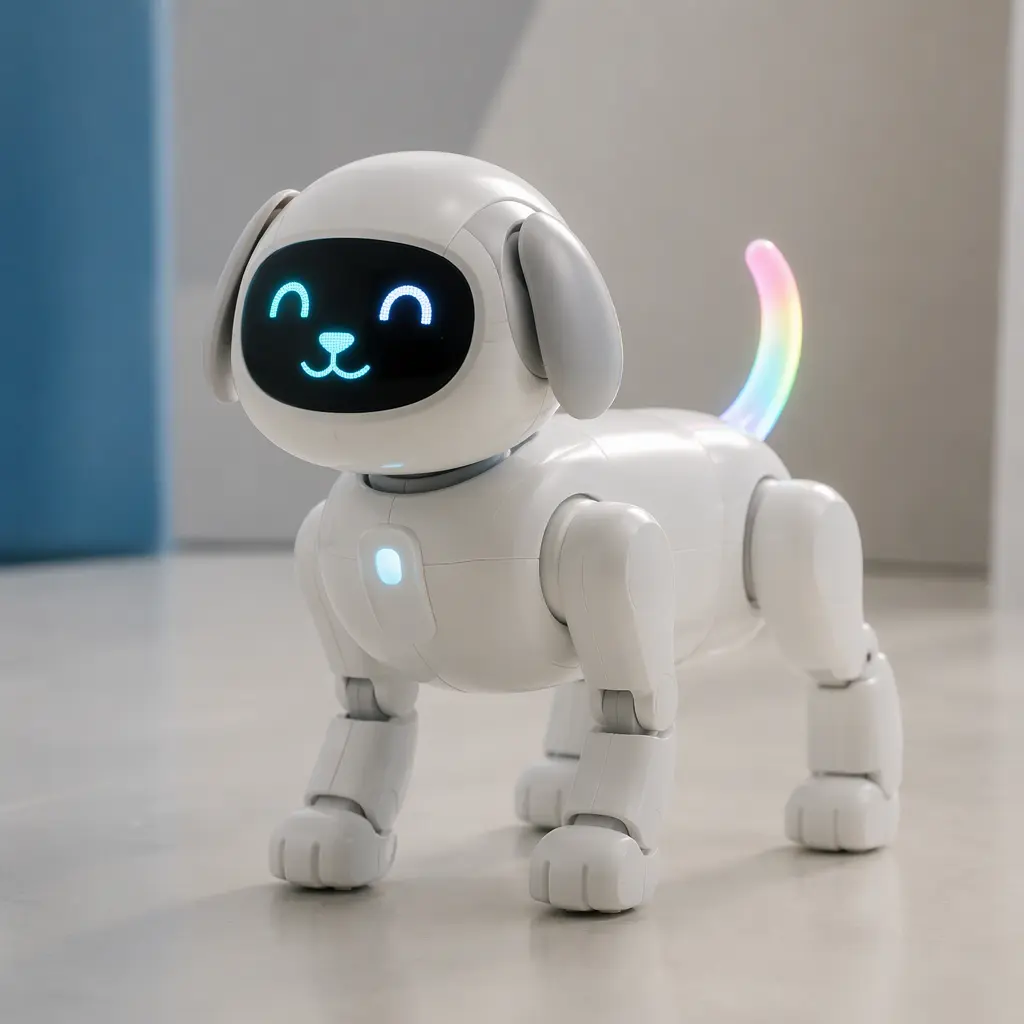
Robot dogs have been part of toy-store shelves for decades, but WowWee Dog-E arrived with a more connected and personalized approach than many earlier electronic pets. Introduced in 2023, the toy combines motion, touch sensors, LED expressions and app-linked setup to create a robot companion that develops a distinct digital identity. Instead of acting like a fully scripted pet with one fixed personality, Dog-E uses combinations of sounds, reactions and virtual traits that can vary between units and evolve through interaction. That idea places it somewhere between a traditional electronic toy and the broader category of companion tech that now includes app-connected learning gadgets and AI-inspired play devices.
Where it came from
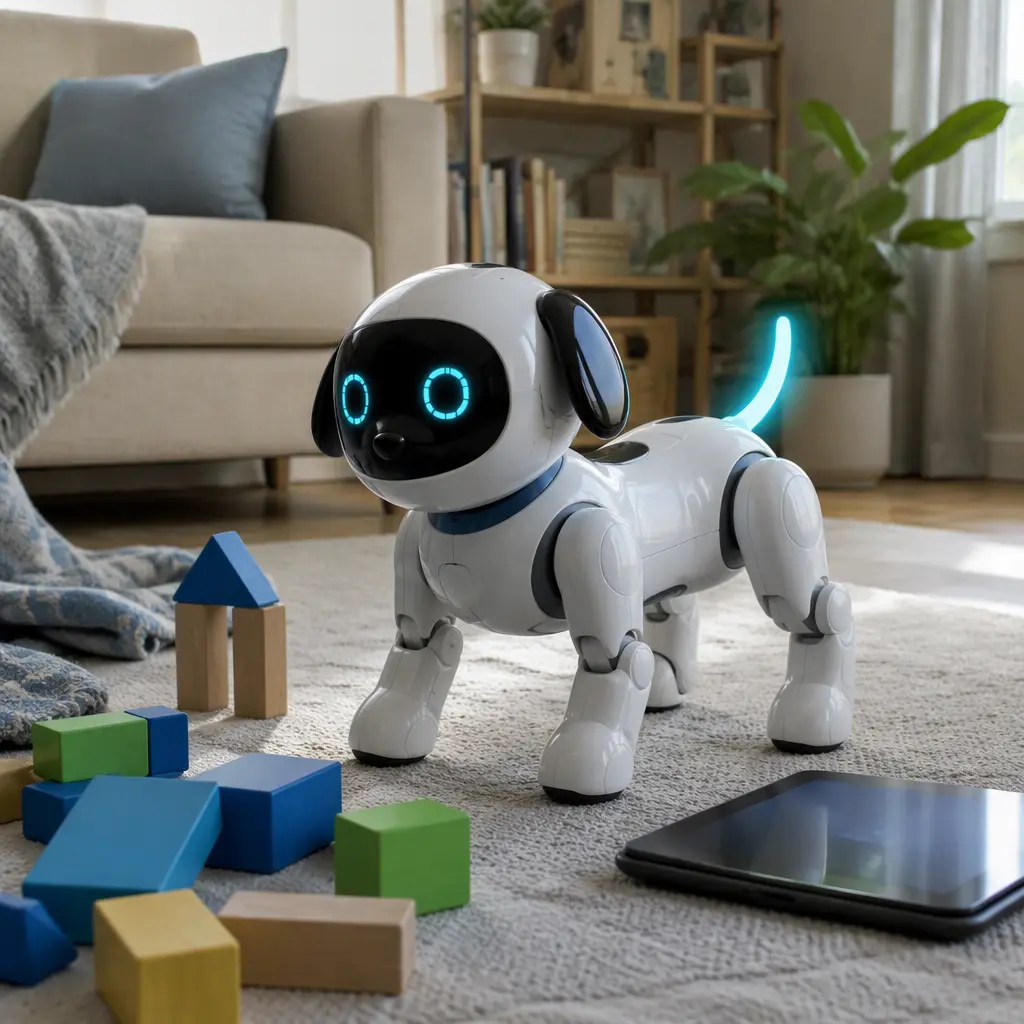
WowWee has a long history in robotic toys, dating back to products like Robosapien and earlier interactive pets that blended animatronics with playful personality systems. Dog-E fits into that lineage while reflecting newer expectations around connected devices. By the early 2020s, children’s tech products increasingly relied on companion apps, Bluetooth pairing and customizable profiles to keep play feeling fresh after the initial novelty period.
Dog-E launched during a period when toy makers were revisiting the robot pet category with more emphasis on personalization and ongoing engagement. According to WowWee, each Dog-E can reveal a mix of virtual traits through interaction and app setup rather than arriving with a single fixed identity. The companion app expands naming, feeding-style play activities and customization features, while the toy itself still functions as a standalone electronic pet with touch, sound and movement-based responses.
Why it works
The central appeal of Dog-E is that it blends recognizable robot-dog behavior with systems designed to encourage repeat interaction. It can react to touch, movement and play routines, but much of the toy’s identity comes through animated light patterns, sounds and changing responses rather than realistic fur or lifelike movement. The LED tail and face panel become part display screen and part emotional signal, giving the toy a visual personality that feels closer to digital pets than traditional plush companions.
That design also reflects how modern connected toys try to stay interesting over time. Instead of relying on one gimmick, Dog-E spreads its appeal across customization, interaction and collectible-style unpredictability. Owners may spend time discovering reactions, unlocking features through the app or comparing their toy’s personality traits with others. At the same time, the product raises familiar questions about connected play: how much of the experience depends on software support, how long apps remain updated and whether children stay engaged once the discovery phase slows down.
- Touch and motion sensors that trigger reactions and movement
- LED face and tail displays used for moods, icons and visual feedback
- App-connected setup with customization and digital interaction features
- Distinct personality combinations intended to vary between units
- Standalone play functions even without constant app use
Who it's for
Dog-E is aimed primarily at children who enjoy interactive gadgets and pet simulation play rather than highly technical robotics kits. Kids who already use tablets or smartphones for games may quickly understand the companion-app structure, while younger users are often drawn to the expressive lights and reactive behavior. Adult collectors and longtime fans of robot pets may also find it interesting because it represents a newer direction for the category, combining toy robotics with the personalization systems more commonly associated with apps and digital platforms. Families considering it should expect a tech toy first and a cuddly pet substitute second; much of the appeal comes from interaction patterns, customization and novelty rather than emotional realism.
Variants and what to look for today
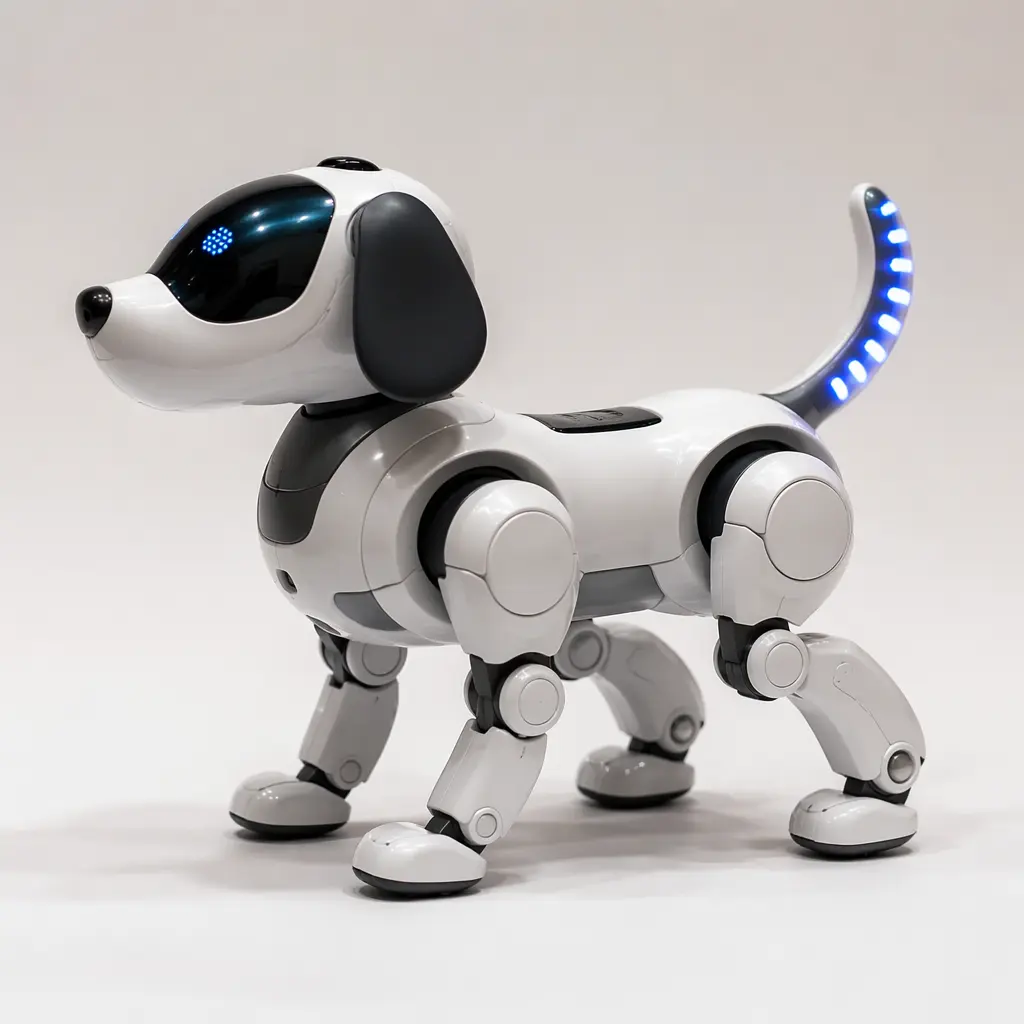
As with many successful electronic toys, shoppers may encounter bundles, retailer-exclusive packaging or accessory sets connected to Dog-E. Availability can vary by region, and connected features sometimes depend on app-store support and device compatibility. Checking current operating-system requirements before buying is especially important for families planning to use the app heavily.
Because robot pets are visually distinctive, there are also generic imitators that mimic the broad concept of an interactive electronic dog without offering the same software ecosystem or support. Build quality, sensor responsiveness and app stability can vary widely across the category. Buyers looking specifically for the Dog-E experience should confirm manufacturer branding and verify whether app features are currently supported in their region.
- Look for official WowWee packaging and app references
- Check smartphone or tablet compatibility before purchase
- Consider whether the toy remains fun without app features
- Rechargeable battery convenience may matter for frequent play
- Be cautious of generic copycat robot pets with unclear support
Frequently asked questions
Does Dog-E need the app to work?
Dog-E includes interactive features that work directly on the toy itself, including movement and sensor-based reactions. The companion app expands customization and digital interaction options, but some play functions remain available without constant app use.
Is Dog-E using generative AI?
Dog-E is better understood as an interactive connected toy with programmed responses and personality systems rather than a full generative AI assistant. Its behavior comes from designed interaction patterns, sensors and software features rather than open-ended conversational AI.
What ages are most likely to enjoy it?
Children who already enjoy electronic pets, interactive gadgets and app-based play are the most natural audience. Younger children may need help during setup or charging, while older kids may get more value from customization and discovery features.
Will connected features last forever?
Like many app-connected products, long-term functionality can depend on software updates, operating-system compatibility and ongoing support from the manufacturer. Families interested mainly in offline play may want to consider how enjoyable the toy remains without app-connected extras.
Dog-E represents a clear shift in what a robot pet is expected to be. Earlier electronic dogs focused on movement tricks or voice commands, while this generation leans more heavily on digital identity, personalization and connected experiences. Whether that makes the toy feel more engaging or more dependent on software will vary from family to family, but it captures a broader trend across modern toys: play increasingly lives somewhere between the physical object and the app that surrounds it.