WowWee RoboSapien: The toy robot that foreshadowed home tech
Released in 2004, WowWee’s RoboSapien turned a living-room toy into a preview of our relationship with home robots—programmable, imperfect, and oddly charming.
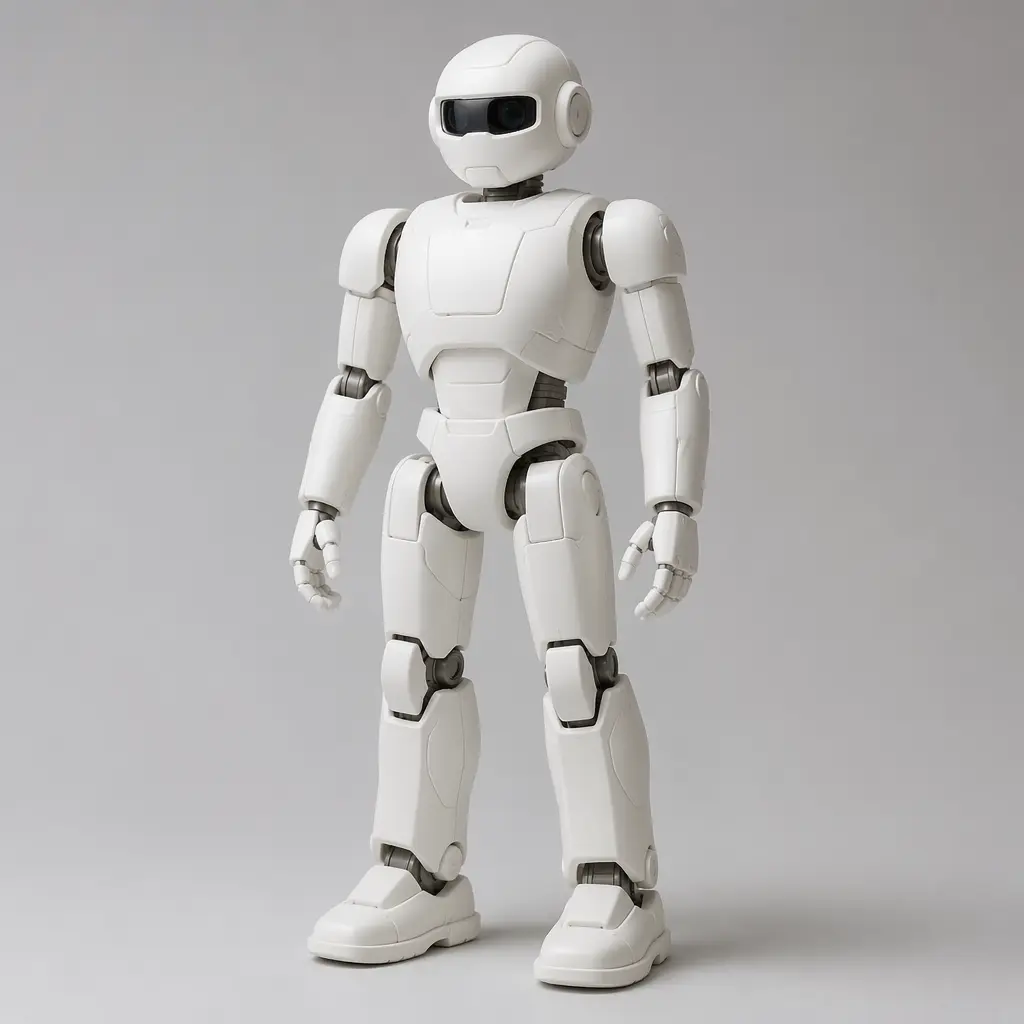
Compare prices and availability
Check current prices and availability for this guide on eBay.
As an eBay Partner, we may be compensated if you make a purchase.
When WowWee’s RoboSapien arrived in the mid‑2000s, it felt like a visitor from the near future. This wasn’t a remote‑control car or a blinking plastic pet. It was a walking, gesturing humanoid robot that responded to commands, followed routines, and occasionally misbehaved. For many families, RoboSapien was the first taste of what it might be like to share a home with a piece of semi‑autonomous technology.
Where it came from
RoboSapien launched in 2004 from WowWee, a Hong Kong–based toy company that built its reputation on animatronics and interactive play. The robot was designed by inventor and roboticist Mark Tilden, known for creating robots that relied on simple, efficient behaviors rather than complex computing. The goal wasn’t to make a thinking machine, but a convincing one.
At the time, consumer robots were mostly science‑fair curiosities or expensive research tools. RoboSapien hit a sweet spot: mass‑market pricing, shelf presence in toy stores, and just enough capability to feel advanced. It arrived as DVD players and early flat‑screen TVs were becoming normal household tech, and it matched that moment—technology that was still a little magical.
Why it works
RoboSapien’s appeal came from how much personality it squeezed out of limited hardware. It walked with a stiff, stomping gait, swung its arms, and reacted with sounds and gestures that suggested mood. Kids didn’t need to understand programming to feel like they were giving it instructions; adults saw the early logic of human‑machine interaction playing out on the carpet.
The design leaned into visibility. Motors whirred. Movements were exaggerated. You could see and hear the cause and effect of every command. That transparency made RoboSapien feel approachable rather than intimidating.
- Humanoid proportions that encouraged role‑play
- Pre‑programmed actions triggered by simple commands
- Audible and physical feedback that made actions feel intentional
- Rugged plastic construction built for floor play
Who it's for
Originally aimed at older kids and tweens, RoboSapien also found a strong adult audience. Tech‑curious parents, gadget fans, and even office workers adopted it as a conversation piece. Today, it sits comfortably in that crossover space: engaging enough for kids who like robots and systems, and nostalgic for adults who remember when this felt cutting‑edge.
Variants and what to look for today
Over the years, RoboSapien expanded into a small family, including larger versions and models with added sensors or programmable features. While the core look stayed consistent, later editions leaned further into customization and interaction, reflecting growing interest in coding and STEM play.
If you’re seeking one now, condition matters more than edition. Check that joints move smoothly, battery compartments are clean, and control inputs respond reliably. Many generic humanoid robots echo the RoboSapien style, but the original’s balance of durability and expressive movement is what made it memorable.
Frequently asked questions
Was RoboSapien educational?
Indirectly, yes. While it didn’t teach coding in a formal way, it introduced cause‑and‑effect thinking and basic ideas about robotics and automation.
How durable was it for kids?
RoboSapien was built for floor play and could handle bumps, but it wasn’t indestructible. Its size and weight meant it was better suited to supervised play than roughhousing.
Does it feel outdated now?
Compared with today’s app‑connected toys, yes—but that simplicity is part of its charm. It shows how much could be done with minimal processing power.
Why do people still remember it?
For many, RoboSapien was their first personal robot. It arrived before smart speakers and home assistants, making it a memorable milestone in consumer tech.
Looking back, WowWee’s RoboSapien feels less like a novelty toy and more like a preview. It hinted at a future where machines would live alongside us—not perfectly, but visibly, audibly, and with just enough personality to feel real.