Are Electronic Sensory Toys Safe for Babies?
A parent-friendly guide to electronic sensory toys for babies, covering safety basics, age-appropriate features, and how to avoid overstimulation while supporting healthy early development.
Compare prices and availability
Check current prices and availability for this guide on eBay.
As an eBay Partner, we may be compensated if you make a purchase.
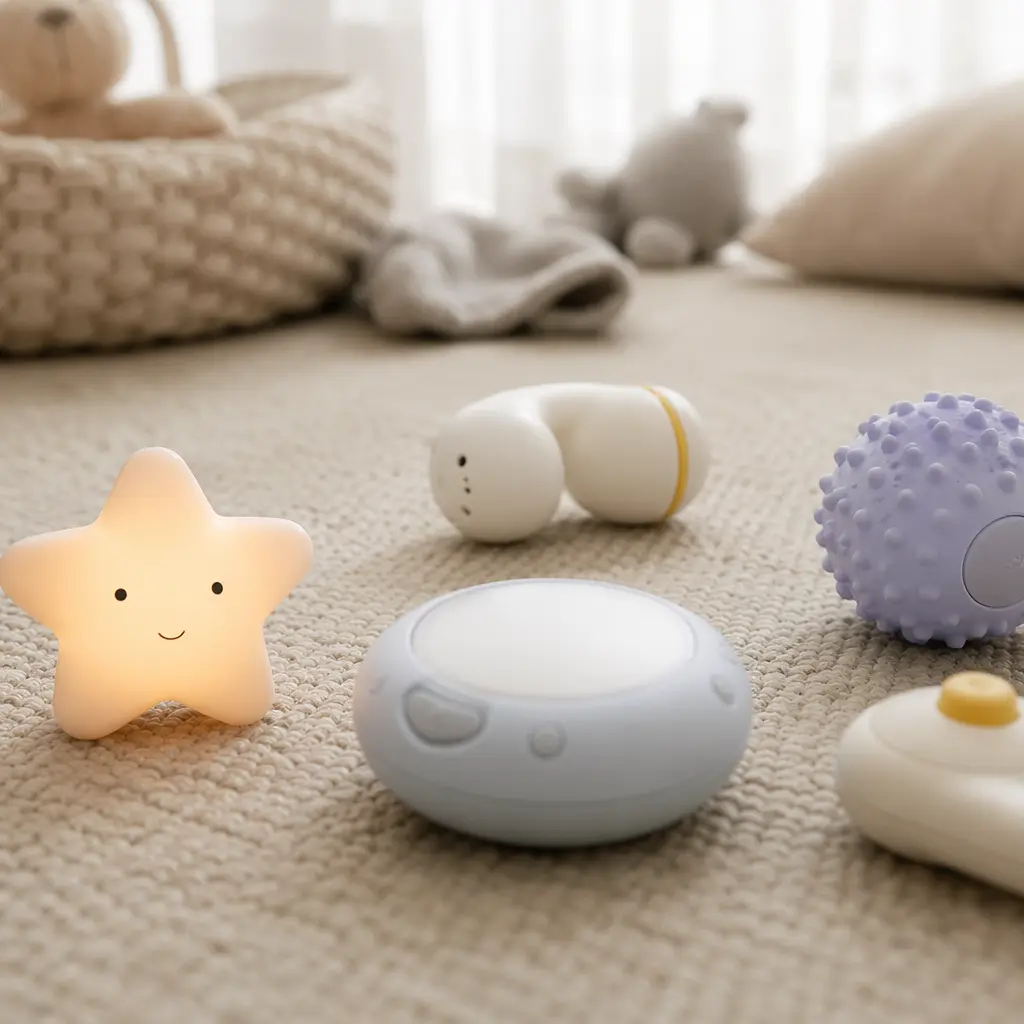
Electronic sensory toys are common in the baby aisle, promising lights, sounds, and interactive play for even the youngest infants. For parents, the big question is whether these toys are truly helpful—or if they risk overstimulation or safety concerns. The answer depends less on whether a toy uses electronics and more on how it is designed, how it’s used, and whether it fits a baby’s stage of development.
What to look for
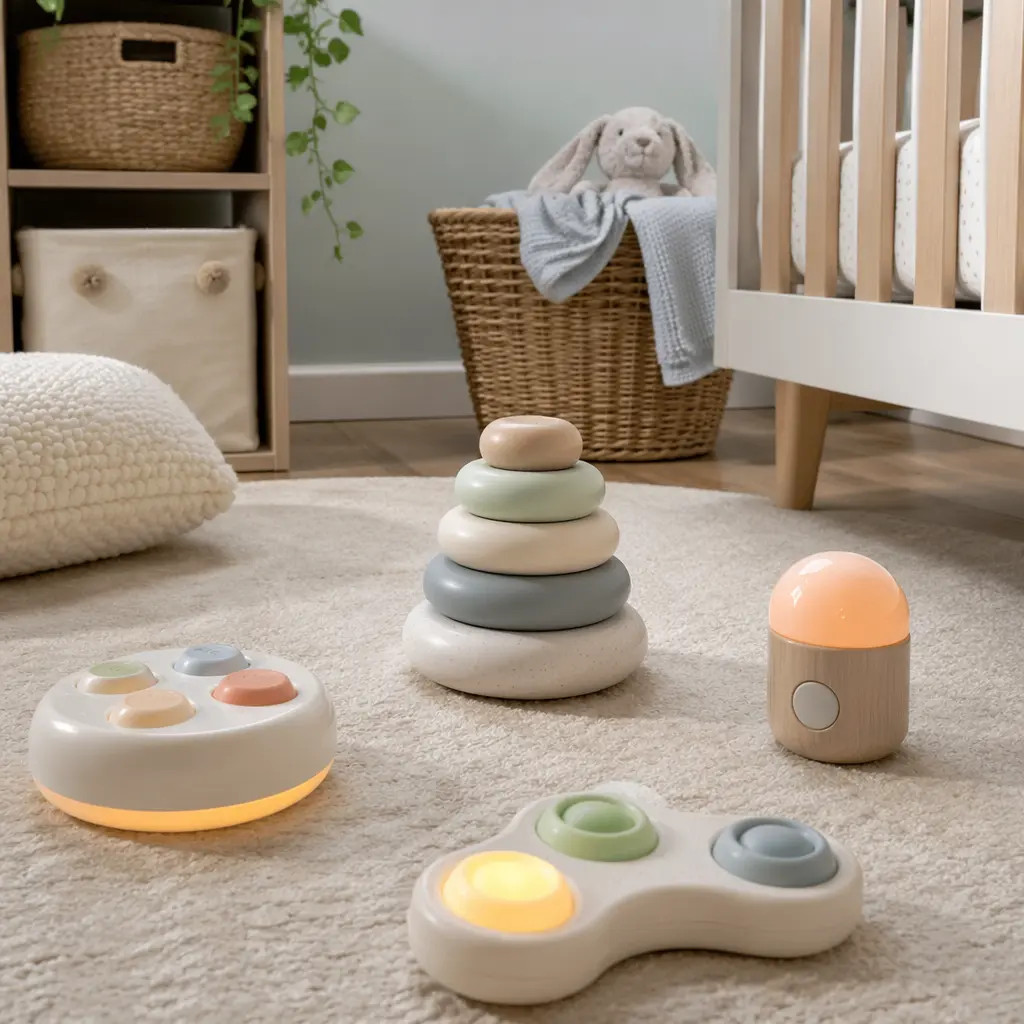
Safety and developmental value start with thoughtful design. For babies under 12 months, electronic sensory toys should support exploration without overwhelming the senses. Simple, predictable responses are generally more appropriate than constant noise or flashing lights.
- Volume control or naturally soft sounds to protect developing hearing
- Slow, gentle light patterns instead of rapid flashing
- Large, secure components that cannot detach or fit in a baby’s mouth
- Smooth edges and non-toxic materials suitable for mouthing
- Clear cause-and-effect features, such as a light turning on when pressed
- Automatic shutoff or short play cycles to limit continuous stimulation
Age suitability
From birth to 12 months, babies change quickly, and a toy that works well at one stage may be less helpful later. For newborns, the safest electronic sensory toys are often those with very limited interaction—soft sounds, gentle vibration, or a single light that responds slowly. As babies approach six months and beyond, they can handle slightly more interaction, such as pressing a button or spinning a textured element. Always check the age guidance, but also consider your baby’s individual sensitivity. Some babies are more easily overstimulated and benefit from simpler toys even if they are technically age-appropriate.
Standout categories or types
Not all electronic sensory toys are built the same. Some are designed to complement natural development, while others focus more on entertainment. Understanding the main categories can help you choose toys that add value without tipping into overstimulation.
- Cause-and-effect toys: These respond in a simple way when a baby touches or presses something, helping babies learn that their actions matter.
- Soothing sensory toys: Often used during calm play or wind-down routines, these may include soft music, white noise, or slow light changes.
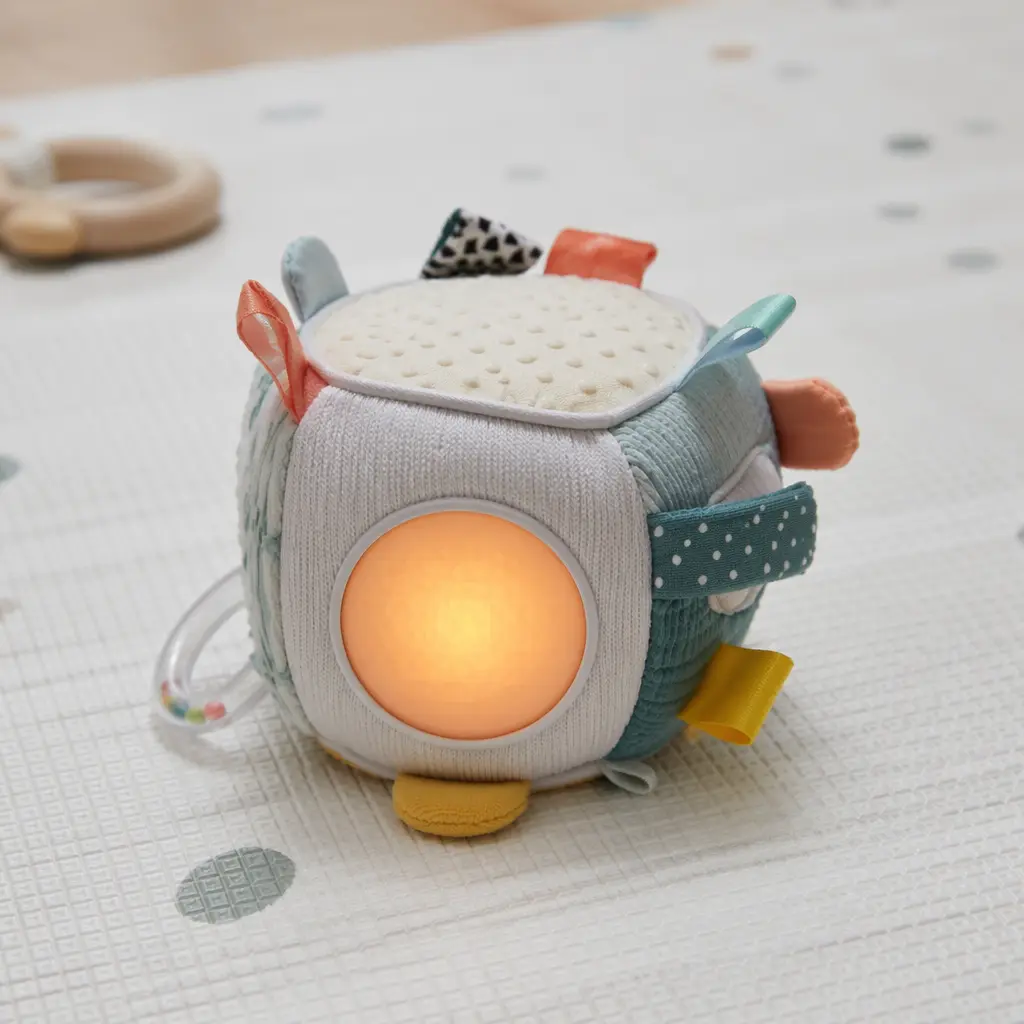
- Mixed sensory toys: These combine electronics with textures, mirrors, or fabrics, encouraging hands-on exploration rather than passive watching.
- Motion-activated toys: Best used sparingly, as repeated automatic sounds or lights can be stimulating without encouraging active engagement.
Frequently asked questions
Can electronic sensory toys overstimulate a baby?
Yes, they can if they are too loud, too bright, or used for long periods. Signs of overstimulation include turning away, fussiness, stiff movements, or difficulty settling. Choosing toys with gentle outputs and using them in short sessions helps reduce this risk.
Are lights and sounds bad for infant development?
Lights and sounds are not inherently harmful. Problems arise when they are intense, unpredictable, or constant. Babies benefit most from sensory input that is calm, repetitive, and easy to process, especially in the first year.
How much electronic toy time is appropriate for babies?
There is no fixed rule, but many child development specialists suggest using electronic toys occasionally rather than as a primary form of play. Most daily play should involve face-to-face interaction, movement, and simple objects that encourage exploration.
What safety checks should parents do at home?
Regularly inspect toys for loose parts, battery compartment security, and signs of wear. Make sure batteries are fully enclosed and inaccessible, and remove any toy that becomes damaged or unusually hot during use.
Electronic sensory toys can be safe and beneficial for babies when chosen carefully and used thoughtfully. Look for designs that emphasize gentle interaction, limit intensity, and support early learning rather than constant stimulation. Used in moderation and alongside plenty of human interaction, these toys can be one small part of a healthy, balanced play environment during a baby’s first year.