The Frisbee: How a simple disc turned play into a global sport
From pie tins on college lawns to organised leagues worldwide, the Frisbee shows how a simple flying disc reshaped outdoor play through clever physics, social fun, and endless adaptability.
Compare prices and availability
Check current prices and availability for this guide on eBay.
As an eBay Partner, we may be compensated if you make a purchase.
The Frisbee is one of those toys that barely feels like a toy at all. It’s just a disc—no batteries, no setup, no instructions—yet it has launched countless afternoons in parks, beaches, and school fields. What makes it interesting isn’t complexity, but freedom: a toy that turns empty space into a playground and strangers into teammates.
Where it came from
The Frisbee’s story is often traced to American college campuses in the early 20th century, where students tossed empty pie tins from the Frisbie Pie Company for fun. The tins flew surprisingly well, and the name stuck—misspelled later, but unmistakable. What began as improvised play caught the attention of toy makers looking for something simple and scalable.
In 1957, the flying disc was commercialised in plastic, making it lighter, safer, and far more durable. That shift transformed a novelty into a repeatable product, and soon the disc was everywhere: backyards, beaches, and summer camps. Over time, organised games and sports grew around it, from Ultimate to disc golf, turning casual tossing into structured competition.
Why it works
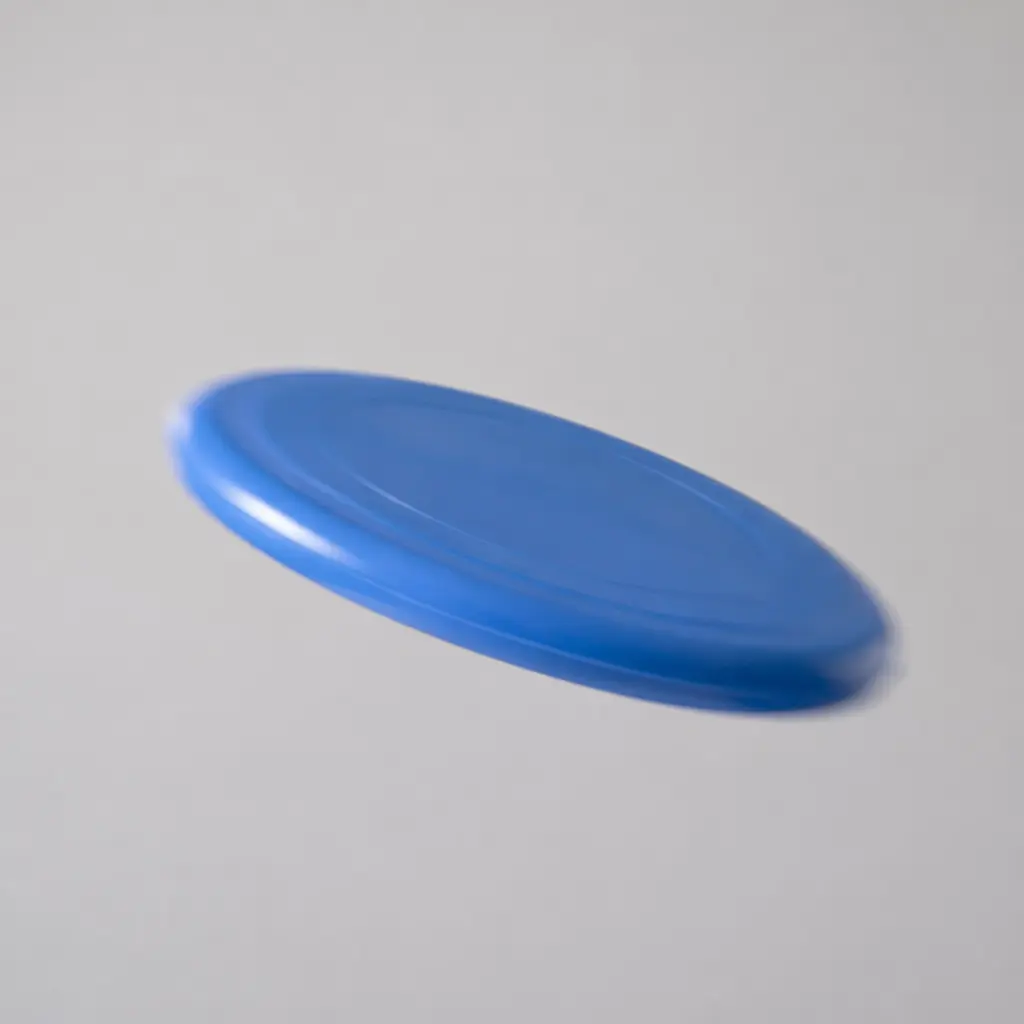
At its core, the Frisbee works because it rewards experimentation. A slight change in grip or wrist angle produces a different flight, inviting players to learn by doing. The disc’s curved edge and spinning motion create lift, letting it float far longer than you expect from a flat object.
It’s also social by design. You can’t really use a Frisbee alone for long, and that’s part of its appeal. It encourages turn-taking, cooperation, and shared space, all without formal rules unless you want them.
- Aerodynamic shape that stays aloft with minimal effort
- Simple form with no moving parts
- Scales from casual tossing to competitive sports
- Works in many settings: parks, beaches, playgrounds
Who it’s for
The Frisbee has one of the widest age ranges of any classic toy. Young children can roll or short-toss soft discs, while teens and adults can throw long distances or play organised games. It’s equally appealing to parents looking for low-cost outdoor activity and adults who rediscover it through sports leagues or casual beach play.
Variants and what to look for today
While the classic plastic disc remains the standard, today’s flying discs come in a range of styles. Softer foam or rubber versions are popular for younger kids and indoor use. Heavier, more rigid discs are designed for stability and distance, often preferred by teens and adults.
If you’re buying one now, think about where and how it will be used. Lightweight discs fly easily but can be hard to control in wind. Heavier discs travel straighter but require a bit more strength. As with many simple toys, extremely cheap versions can warp or crack quickly, which affects how they fly.
Frequently asked questions
Is a Frisbee the same as a flying disc?
“Flying disc” is the generic term. “Frisbee” is widely used in everyday language, but many people use it to mean any disc you throw and catch.
Can kids really learn to throw one properly?
Yes. Most kids pick up basic throwing quickly, especially with lighter or softer discs. Mastery comes with time, but fun doesn’t depend on perfect technique.
Does it need a lot of space?
Not necessarily. Short throws work in small parks or gardens, while open fields allow for longer flights. The disc adapts to the space available.
Why has it lasted so long?
Because it solves a basic problem: how to make open space fun. With almost no barriers to entry, it keeps finding new generations of players.
More than sixty years after its plastic debut, the Frisbee remains a reminder that great toys don’t have to be complicated. Sometimes, all you need is a well-shaped object, a bit of open air, and someone willing to throw it back.