Best STEM Toys for 6–8 Year Olds
A parent-focused guide to STEM toys for ages 6–8, highlighting hands-on science, engineering, and coding toys that build real skills while keeping learning fun and engaging.
Compare prices and availability
Check current prices and availability for this guide on eBay.
As an eBay Partner, we may be compensated if you make a purchase.
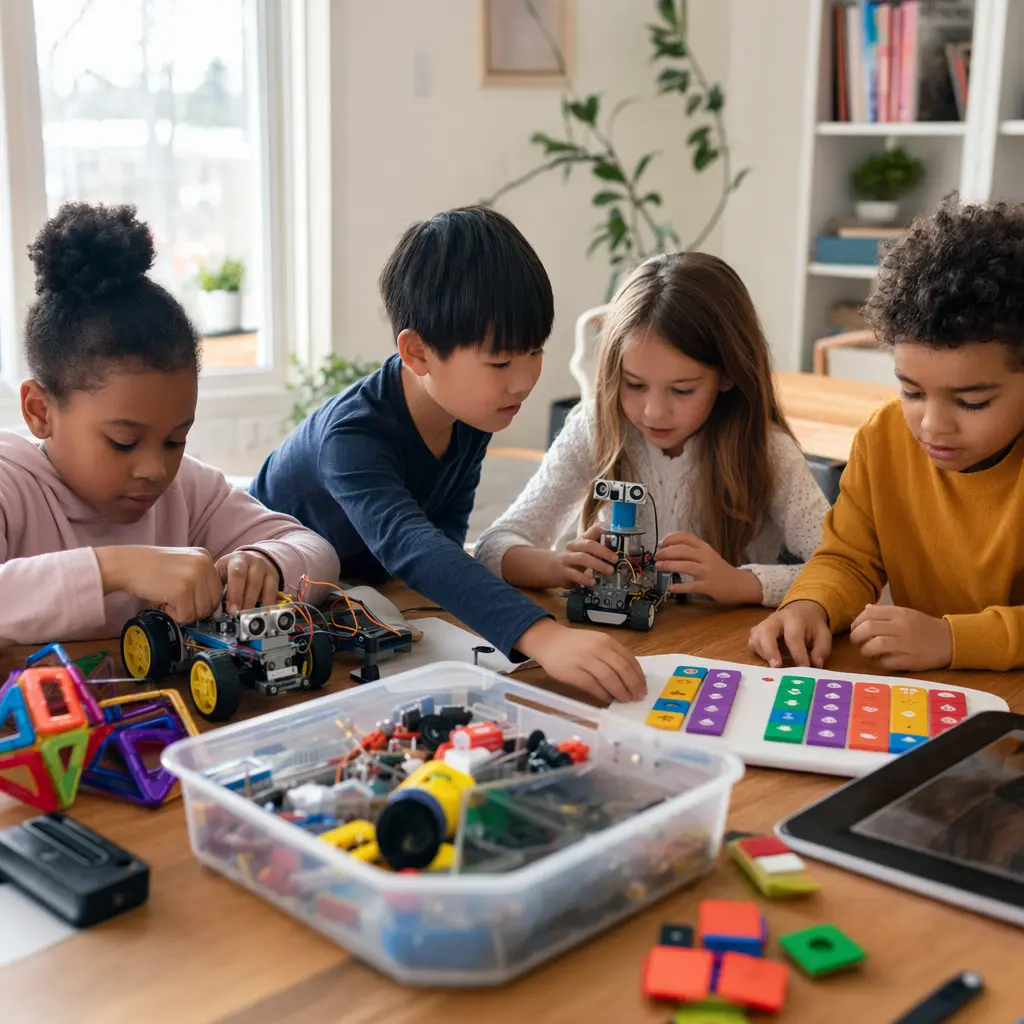
STEM toys for 6–8 year olds sit at an important crossroads. At this age, kids are curious, increasingly independent, and ready to move beyond simple cause-and-effect toys into activities that explain how and why things work. The best options blend hands-on play with real learning, helping children explore science, technology, engineering, and math without turning playtime into a classroom lesson.
What to look for
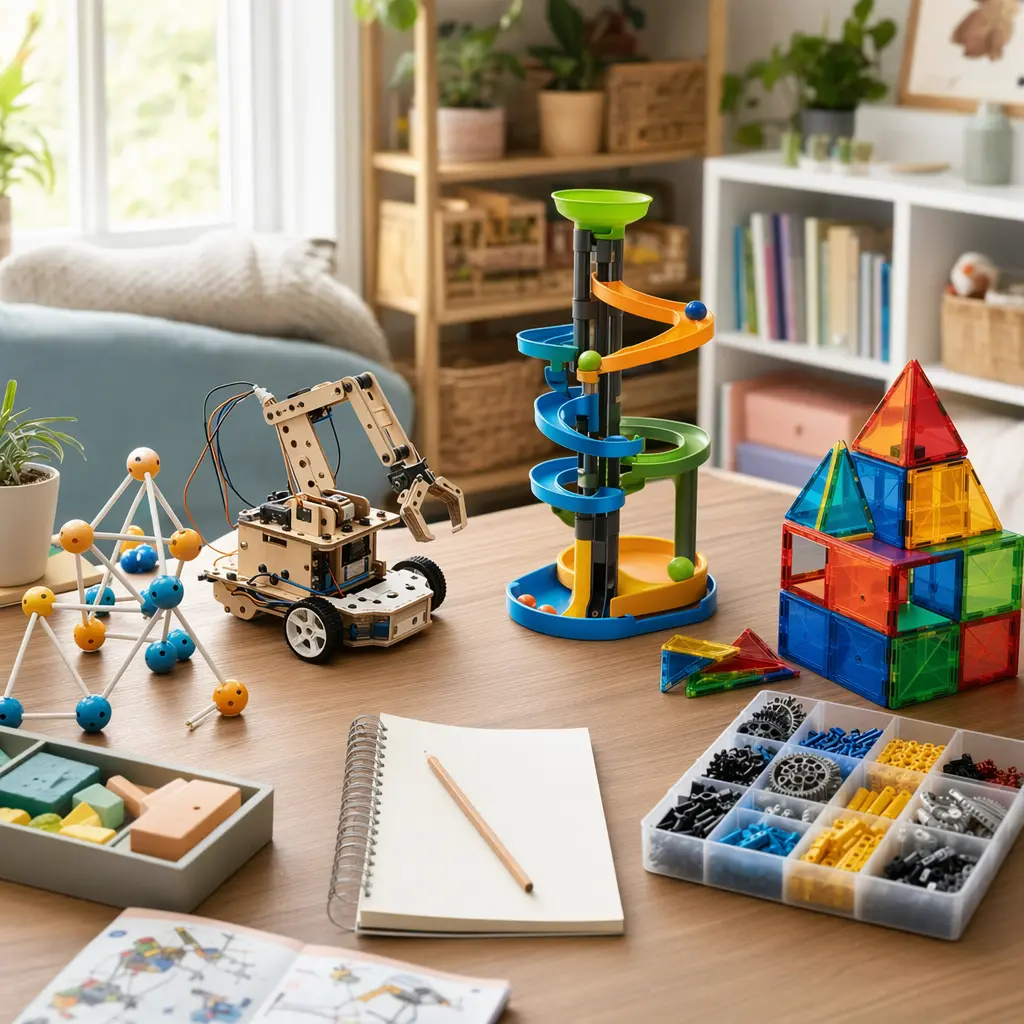
When shopping for STEM toys in this age range, focus on products that encourage experimentation, problem-solving, and creativity. Kids should be able to try ideas, make mistakes, and adjust their approach. Toys that grow with a child—offering multiple challenges or open-ended play—tend to provide better long-term value than single-solution kits.
- Hands-on interaction rather than passive watching
- Clear, age-appropriate instructions with visual guides
- Opportunities for trial, error, and rebuilding
- A balance of guidance and open-ended exploration
- Durable materials that can handle repeated use
Age suitability
Children ages 6–8 vary widely in reading ability, attention span, and fine motor skills. STEM toys for this group should not assume advanced reading or abstract math knowledge. Look for toys that rely on symbols, colors, and physical manipulation rather than long text. Many kids in this age band enjoy challenges, but they still benefit from quick wins that keep frustration in check.
Standout categories or types
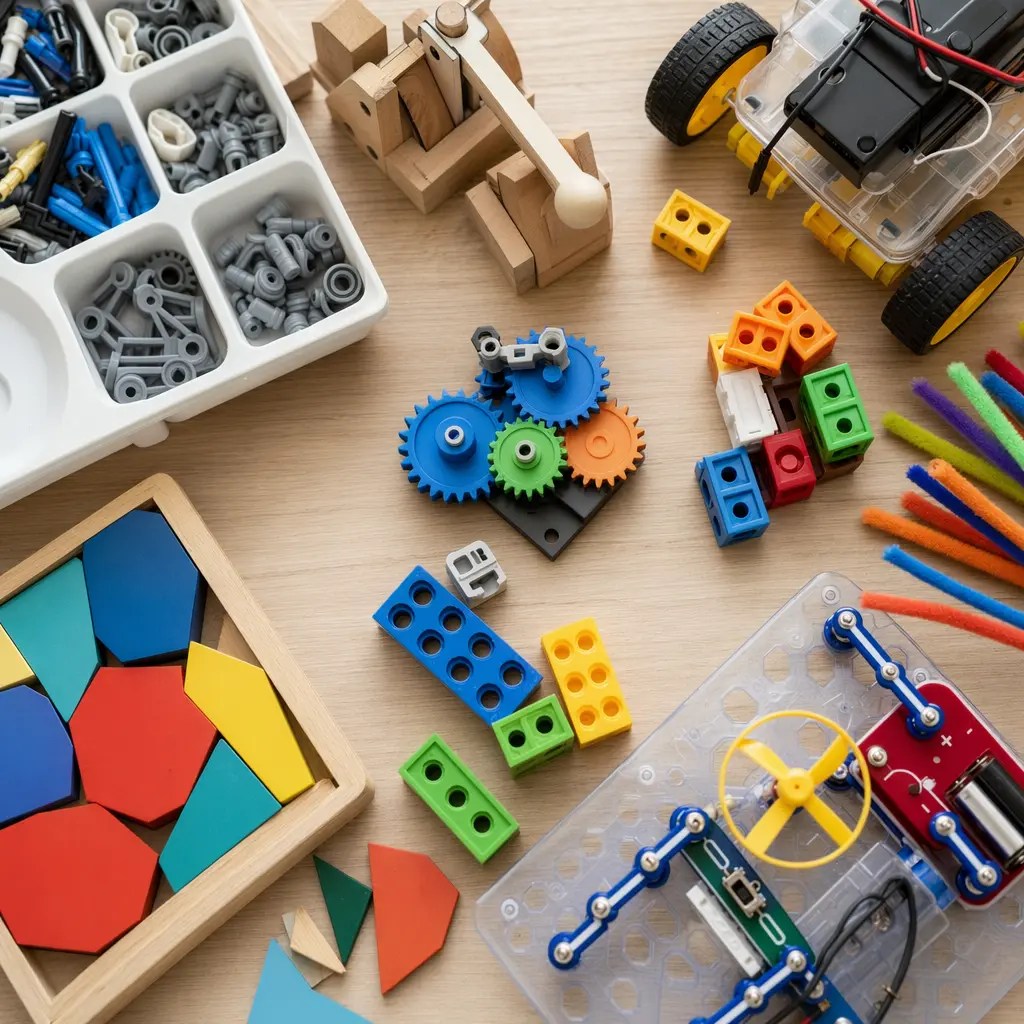
STEM toys for 6–8 year olds generally fall into a few strong categories. Each supports different skills, so the best choice often depends on a child’s interests rather than academic goals alone.
- Building and engineering sets: These focus on constructing structures, machines, or simple mechanisms. Kids learn about balance, stability, and basic engineering concepts while physically assembling pieces.
- Beginner coding toys: Screen-free coding systems using blocks, cards, or simple robots help children understand sequencing, logic, and problem-solving without needing a computer.
- Hands-on science kits: Chemistry, physics, or earth science kits designed for this age group often include guided experiments that explain real-world phenomena in simple terms.
- Math and logic games: Board games and puzzles centered on counting, patterns, and strategy help reinforce math skills through play.
- Electronics and circuit toys: Introductory circuit kits allow kids to connect components and see immediate results, building an early understanding of how electricity works.
Frequently asked questions
Do STEM toys really help kids learn?
Well-designed STEM toys can support learning by encouraging curiosity, problem-solving, and persistence. They are most effective when children are actively engaged and free to explore rather than following rigid instructions the entire time.
Are coding toys appropriate for kids who can’t read well yet?
Yes. Many coding toys for this age group use symbols, colors, or physical pieces instead of text. These designs allow children to learn sequencing and logic without relying on reading skills.
How much adult involvement is usually needed?
Most STEM toys require some adult help at the beginning, especially for setup or explaining the goal. Once kids understand the basics, many toys are designed for independent or lightly supervised play.
What if a child gets frustrated easily?
Look for toys with multiple difficulty levels or open-ended play. Being able to step back to an easier challenge or experiment freely can reduce frustration and build confidence.
Are screen-based STEM toys better than screen-free ones?
Both can be effective. Screen-free toys are often better for tactile learning and shorter attention spans, while screen-based options can introduce more complex ideas. Balance and moderation matter more than the format.
The best STEM toys for 6–8 year olds make learning feel like discovery, not homework. By choosing toys that match a child’s interests and developmental level, parents can support curiosity and skill-building in a way that feels natural, fun, and rewarding.