Best Screen‑Free Tech Toys That Teach Logic (Ages 9–12)
A buyer’s guide to high‑tech, screen‑free toys that build logic for ages 9–12—covering what to look for, age fit, safety notes, and standout categories parents can compare.
Compare prices and availability
Check current prices and availability for this guide on eBay.
As an eBay Partner, we may be compensated if you make a purchase.
Parents often want tech toys that feel modern without adding more screen time. For kids ages 9–12, the sweet spot is hands‑on electronics and logic systems that reward planning, testing, and problem‑solving—no apps or tablets required. These toys teach how systems work, encourage persistence, and keep focus on physical play.
What to look for
Screen‑free tech toys vary widely in complexity. The best options for ages 9–12 strike a balance: challenging enough to stretch logical thinking, but structured enough to avoid frustration. Look for toys that make cause‑and‑effect visible and encourage kids to debug their own ideas.
- Clear logic pathways: physical pieces that show how signals, power, or commands flow
- Progressive challenges: starter activities that build toward open‑ended creation
- Tactile components: switches, dials, gears, or tiles that kids manipulate directly
- Feedback without screens: lights, sounds, or movement that confirm success
- Durable construction: parts that can handle repeated assembly and experimentation
Age suitability
Kids ages 9–12 are ready for multi‑step logic and abstract thinking. At this stage, toys can introduce concepts like conditional logic, sequencing, and simple systems design. Many children can follow written challenges independently, while others benefit from collaborative problem‑solving with a sibling or parent. Look for sets that scale in difficulty so the toy remains interesting over several years.
Standout categories or types
Several categories consistently deliver a high‑tech feel without screens. Each focuses on a different aspect of logic and problem‑solving, so the best choice depends on your child’s interests.
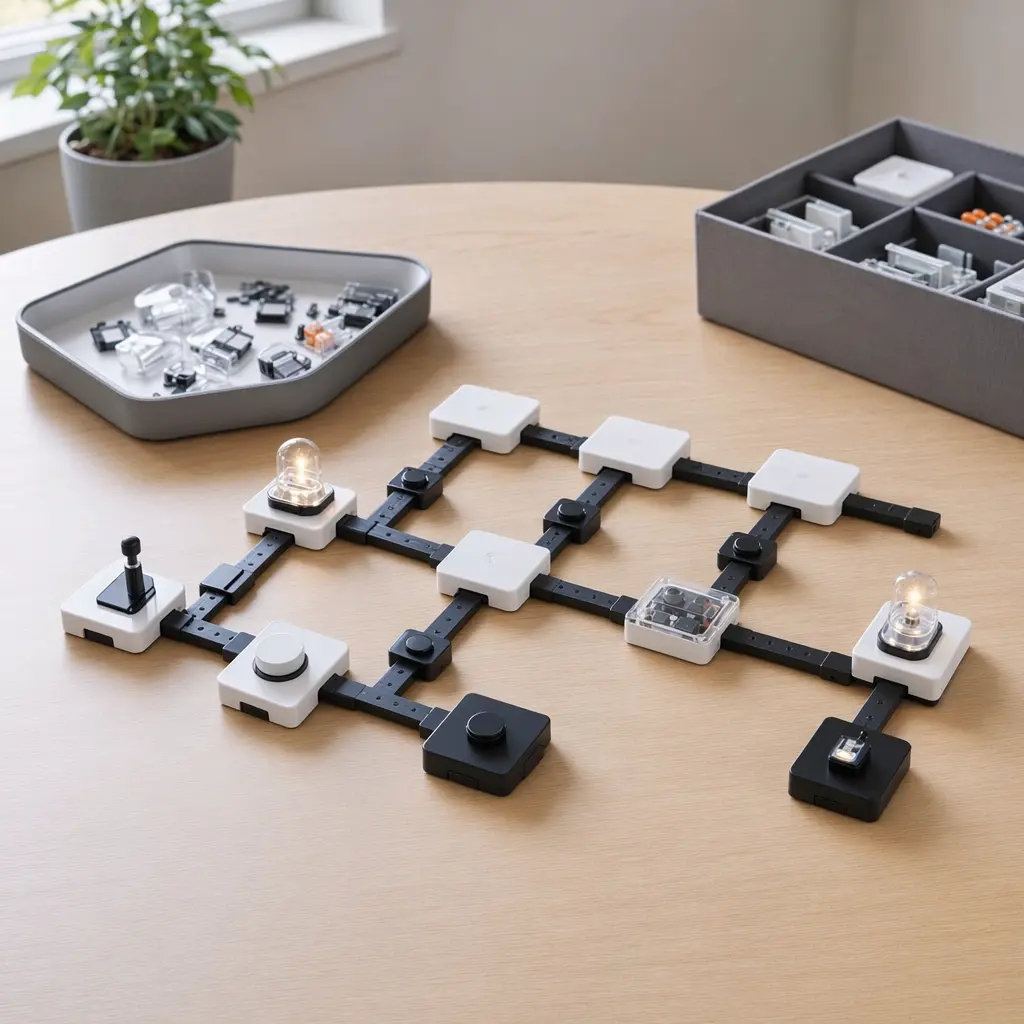
- Snap‑together electronics kits: Teach basic circuitry and logic using modular pieces that only connect in correct ways
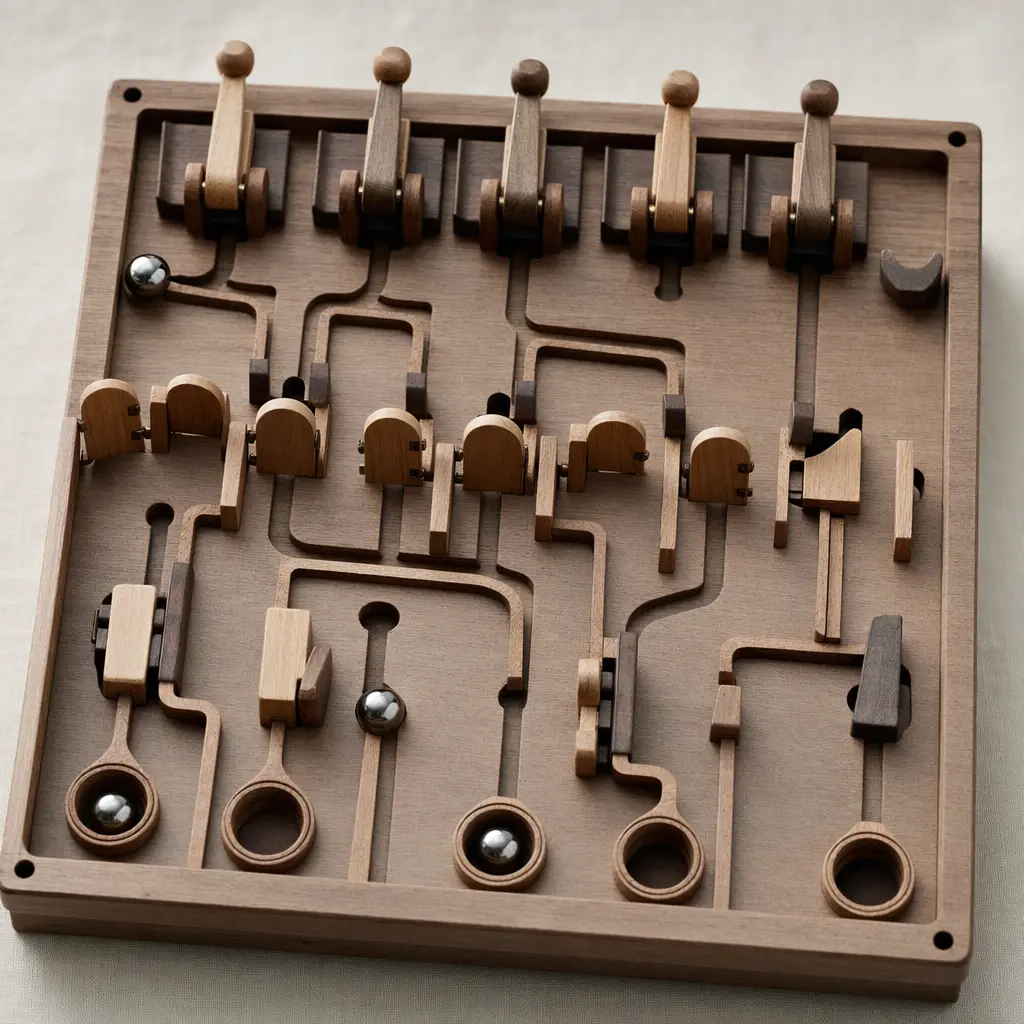
- Mechanical logic games: Use gates, tracks, or switches to model decision‑making and sequencing
- Coding‑style board games: Translate programming concepts into cards, tokens, or physical commands
- Build‑and‑test engineering sets: Challenge kids to assemble systems that must meet specific goals
- Puzzle boxes and escape‑style kits: Require deductive reasoning and pattern recognition to progress
Frequently asked questions
Are screen‑free tech toys still educational?
Yes. Many teach the same logic and systems thinking found in digital coding, but in a physical format. Kids can see and touch each step, which often makes abstract ideas easier to understand.
Do these toys replace coding apps or classes?
They are best viewed as a complement. Screen‑free toys build foundational skills like sequencing, debugging, and persistence that transfer well to later on‑screen coding experiences.
How challenging should the toy be?
Aim for a toy that feels slightly challenging at first but offers guidance. If every task is solved instantly, interest may fade; if nothing works, frustration can set in.
Can siblings of different ages play together?
Many sets work well for mixed ages. Older kids can handle planning and troubleshooting, while younger siblings help assemble or test ideas under supervision.
Screen‑free tech toys give kids a break from displays while still delivering the excitement of modern technology. By focusing on logic, systems, and hands‑on problem‑solving, these toys support learning that lasts beyond the playroom—and often spark curiosity that leads to deeper STEM interests.