STEM Toys That Feel Like Real Gadgets for Teens
A parent-friendly guide to STEM toys for teens that use authentic tools and real tech. Learn what to look for, age fit, safety notes, and popular kit types that feel like genuine gadgets.
Compare prices and availability
Check current prices and availability for this guide on eBay.
As an eBay Partner, we may be compensated if you make a purchase.
For teens, the best STEM toys don’t feel like toys at all. They feel like real gadgets—tools and kits that mirror what engineers, coders, and designers actually use. At ages 13 and up, many kids want projects with purpose: devices that can be built, tested, modified, and improved over time. This guide focuses on hands-on STEM kits with authentic tech appeal, helping parents choose options that encourage problem-solving, independence, and real-world skills.
What to look for
STEM toys for teens should respect their growing skills and curiosity. The goal is to find kits that feel substantial and credible, not simplified or cartoonish. When evaluating options, focus on how closely the experience matches real tools and workflows.
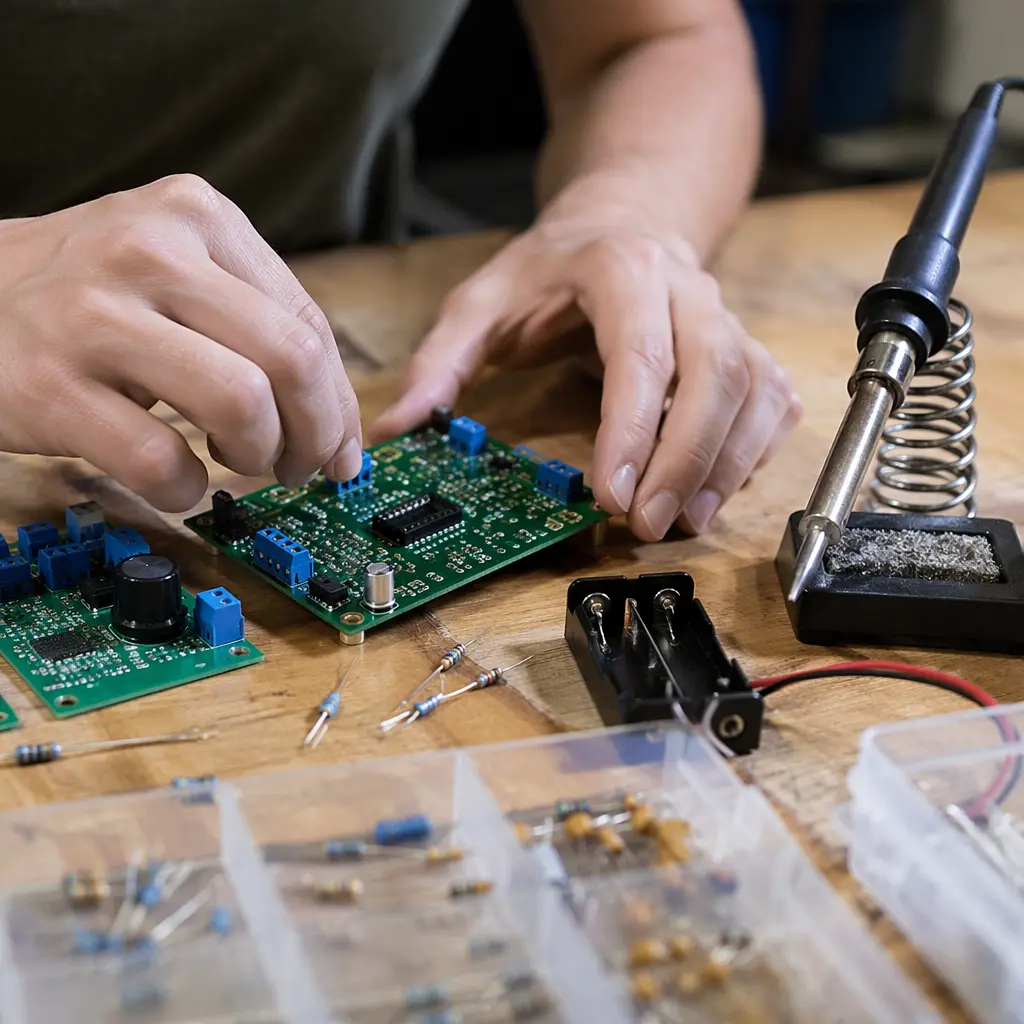
- Authentic components: Look for real electronic parts, sensors, mechanical pieces, or coding environments rather than sealed, one-piece builds.
- Open-ended projects: Kits that allow modifications and experimentation tend to hold interest longer than single-outcome builds.
- Clear but flexible instructions: Good guides teach concepts while leaving room for independent problem-solving.
- Skill progression: The best kits start approachable but scale in complexity as teens gain confidence.
- Durable materials: Metal parts, quality plastics, and reusable components signal that the kit is meant for serious use.
Age suitability
Most STEM gadgets in this category are best suited for ages 13 and up, when teens can follow multi-step instructions, handle small components, and think abstractly about systems. Younger teens may need more guidance at first, while older teens often enjoy tackling advanced challenges independently. Check age recommendations carefully, but also consider your child’s patience, prior experience, and interest in technology. A motivated beginner can often succeed with a higher-level kit if support is available.
Standout categories or types
STEM toys that feel like real gadgets often fall into a few broad categories. Each appeals to different interests, but all emphasize hands-on learning and real-world relevance.
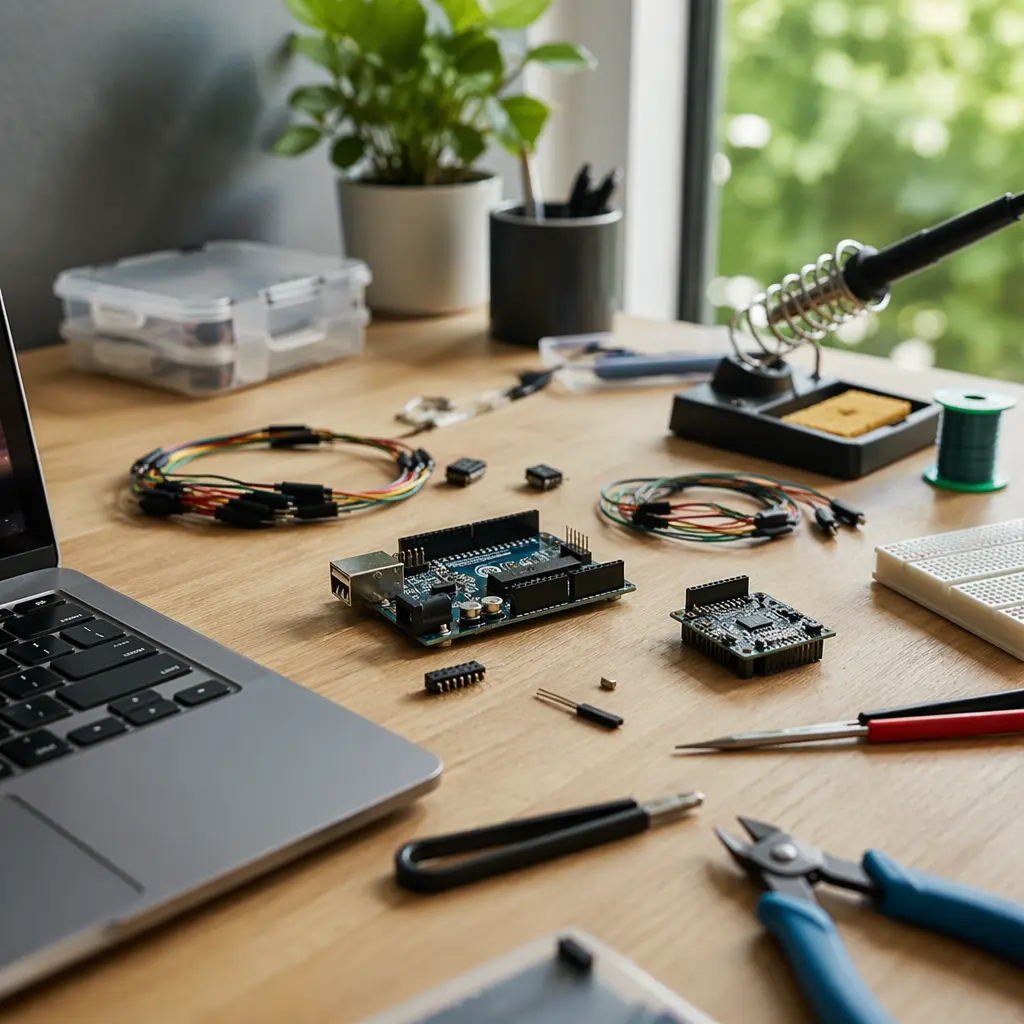
- Electronics and circuitry kits: These focus on building and testing circuits using real components, often introducing concepts like voltage, sensors, and signal flow.
- Coding and microcontroller projects: Teens can program hardware to respond to inputs, control motors, or display data, closely resembling entry-level engineering work.
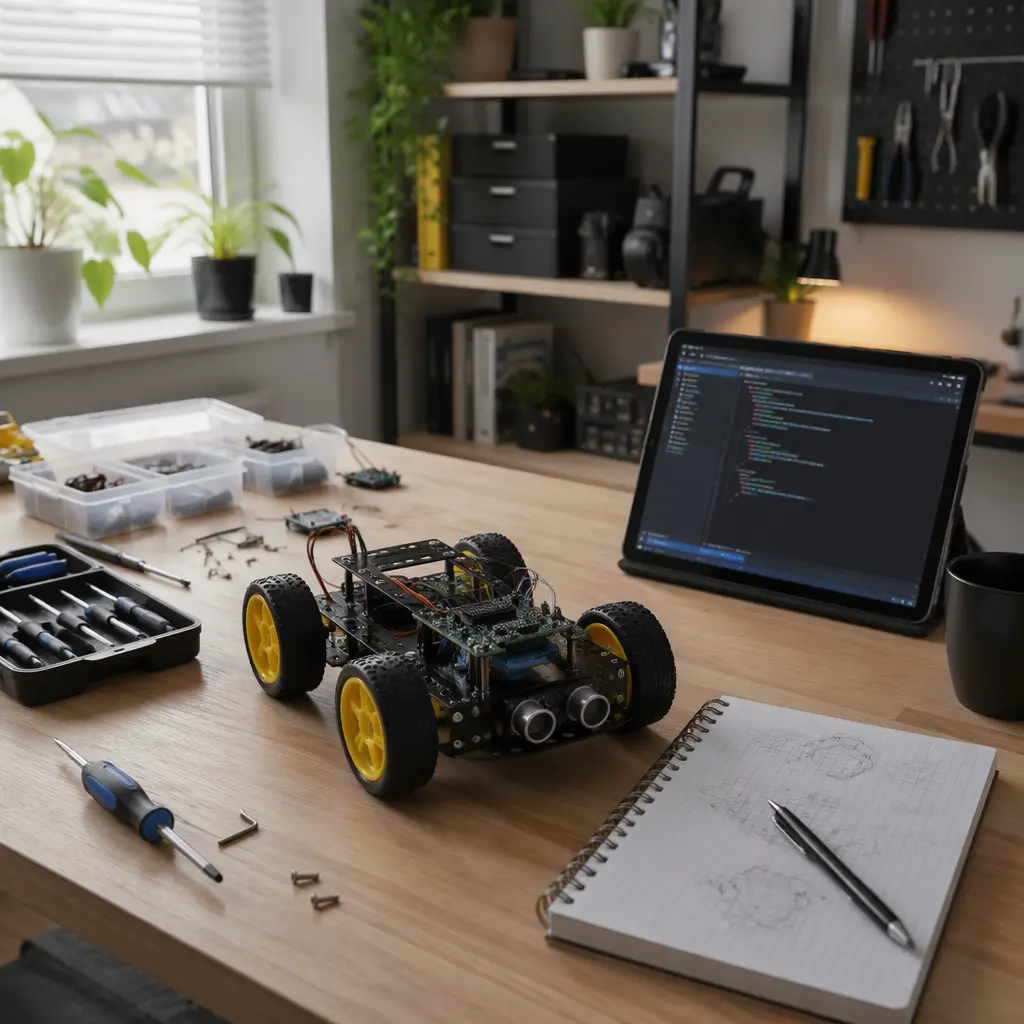
- Robotics and automation builds: These kits combine mechanics, electronics, and software, allowing teens to create moving devices that solve simple tasks.
- Engineering and mechanics sets: Gears, linkages, and structural elements teach how physical systems work and how designs handle stress and motion.
- Science lab-style kits: Chemistry, physics, or data-collection kits that use real measurement tools help teens think like scientists.
Across these categories, the common thread is realism. Teens tend to stay engaged when projects connect to careers they’ve heard about and technologies they see in everyday life. Kits that encourage troubleshooting and iteration often provide the most lasting value.
Frequently asked questions
Do STEM toys for teens require prior experience?
Many are designed for beginners but assume a willingness to learn. Clear instructions and starter projects help teens build confidence, while optional challenges support more experienced users.
Will these kits still be fun after the first build?
Open-ended kits with reusable parts tend to offer better long-term engagement. Teens can rebuild, remix, or expand projects instead of stopping after one finished result.
Are screens always required?
Not always. Some kits focus on physical building or analog experimentation, while others use computers or tablets for coding and data analysis. Check requirements before buying.
How much adult help is usually needed?
Most teens can work independently after initial setup. Adults may be needed for safety oversight, troubleshooting, or explaining new concepts during early projects.
STEM toys that feel like real gadgets can help teens move from curiosity to capability. By choosing kits with authentic tools, flexible projects, and age-appropriate challenges, parents can support learning that feels meaningful, practical, and genuinely exciting.