Best Open-Ended Building Toys for Kids Ages 9–12
A parent-friendly guide to screen-free, open-ended building toys for ages 9–12. Learn what to look for, age fit, and standout types that keep kids challenged as their skills grow.
Compare prices and availability
Check current prices and availability for this guide on eBay.
As an eBay Partner, we may be compensated if you make a purchase.
For kids ages 9–12, the best building toys are the ones that don’t tell them exactly what to make. Open-ended construction sets invite planning, trial-and-error, and redesign—skills that grow more important as kids move into upper elementary and middle school. This guide focuses on screen-free options that stay challenging over time, encouraging creativity, problem-solving, and hands-on learning without relying on apps or digital instructions.
What to look for
At this age, kids benefit from building toys that balance freedom with real challenge. The goal is a set that grows with them, offering simple entry points but enough depth to support complex projects months—or years—later.
- Open-ended systems: Pieces should connect in many ways, not lock kids into one finished model.
- Scalability: Sets that can be expanded with more pieces help maintain interest over time.
- Real-world building concepts: Gears, levers, joints, and frames introduce basic engineering ideas naturally.
- Durable materials: Older kids build bigger and rebuild often, so sturdiness matters.
- Instruction balance: Optional idea guides are helpful, but they shouldn’t be required to enjoy the set.
- Screen-free play: No apps or digital steps needed to get started or keep building.
Age suitability
While these toys are labeled for ages 9–12, skill level matters as much as age. Some kids in this range are ready for intricate, multi-step builds, while others prefer experimenting with simpler structures. Look for sets that allow both approaches. Small parts are common at this level, so these toys are best for kids who can manage fine motor tasks and follow safety guidelines. A good sign of age-appropriate design is when a toy supports both quick builds and long-term projects that can stay on a table or shelf for days.
Standout categories or types
Open-ended building toys come in several broad categories, each supporting different kinds of thinking and play. Many families find that mixing types keeps kids engaged longer, since each system encourages new approaches.
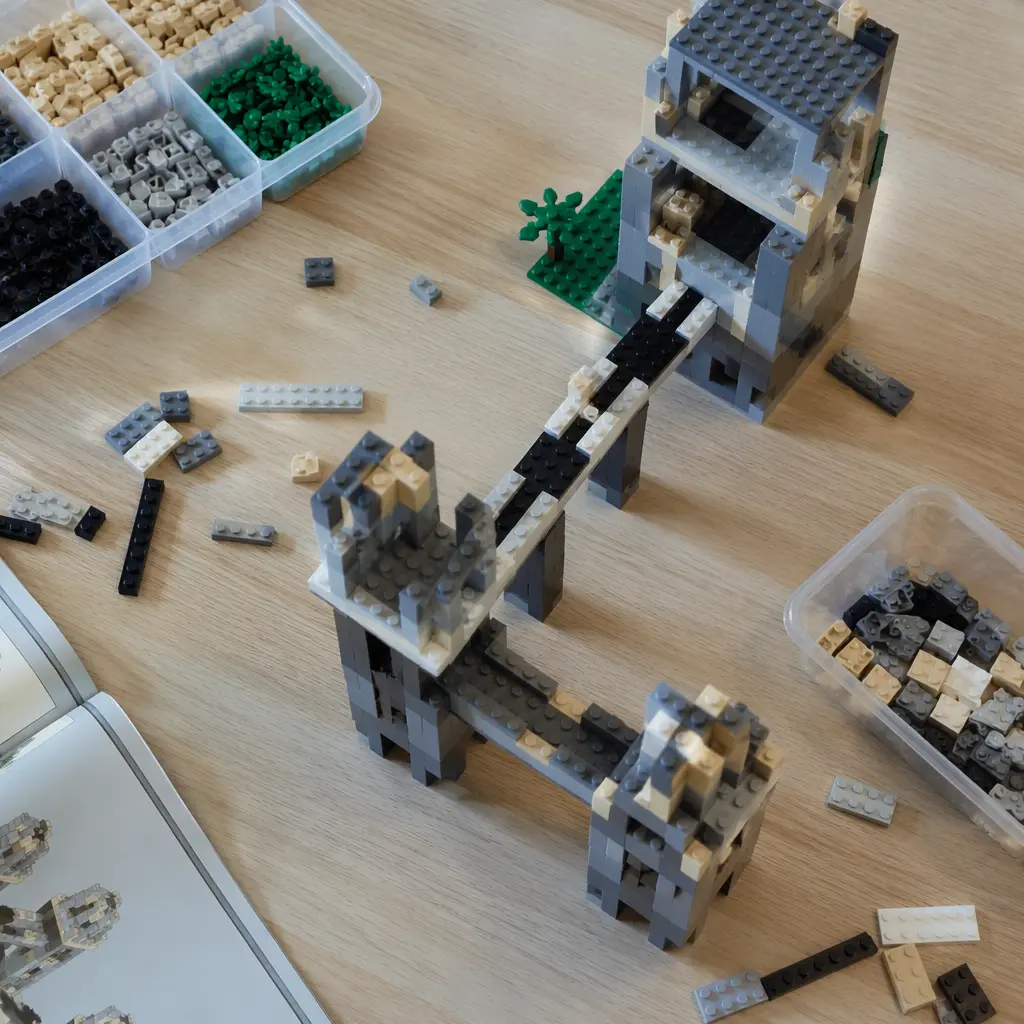
- Interlocking construction systems: These use uniform pieces that connect in repeating patterns, supporting everything from simple walls to complex architectural builds.
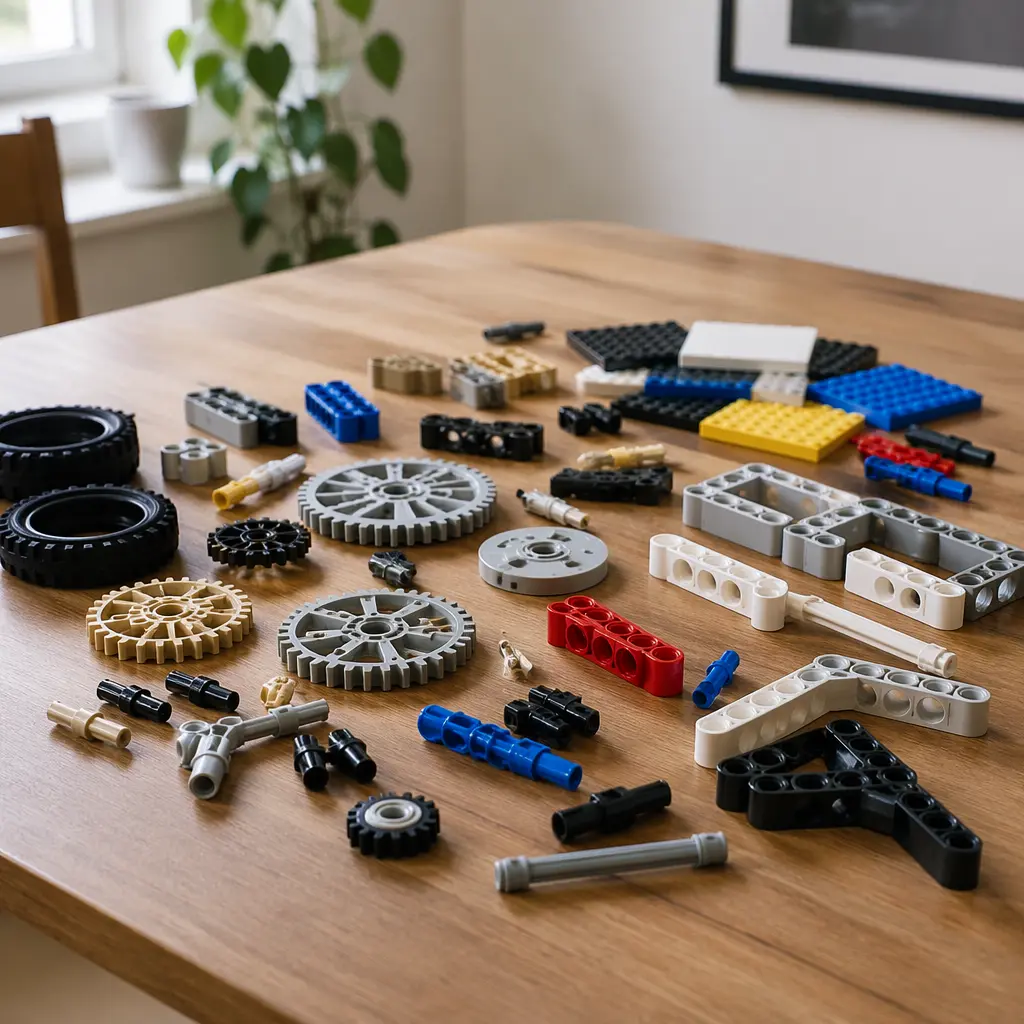
- Engineering and mechanics sets: Focused on movement and structure, these include axles, gears, and connectors that let kids explore how things work.
- Magnetic building pieces: Strong magnets allow fast prototyping and easy revisions, which can be especially motivating for kids who like to test ideas quickly.
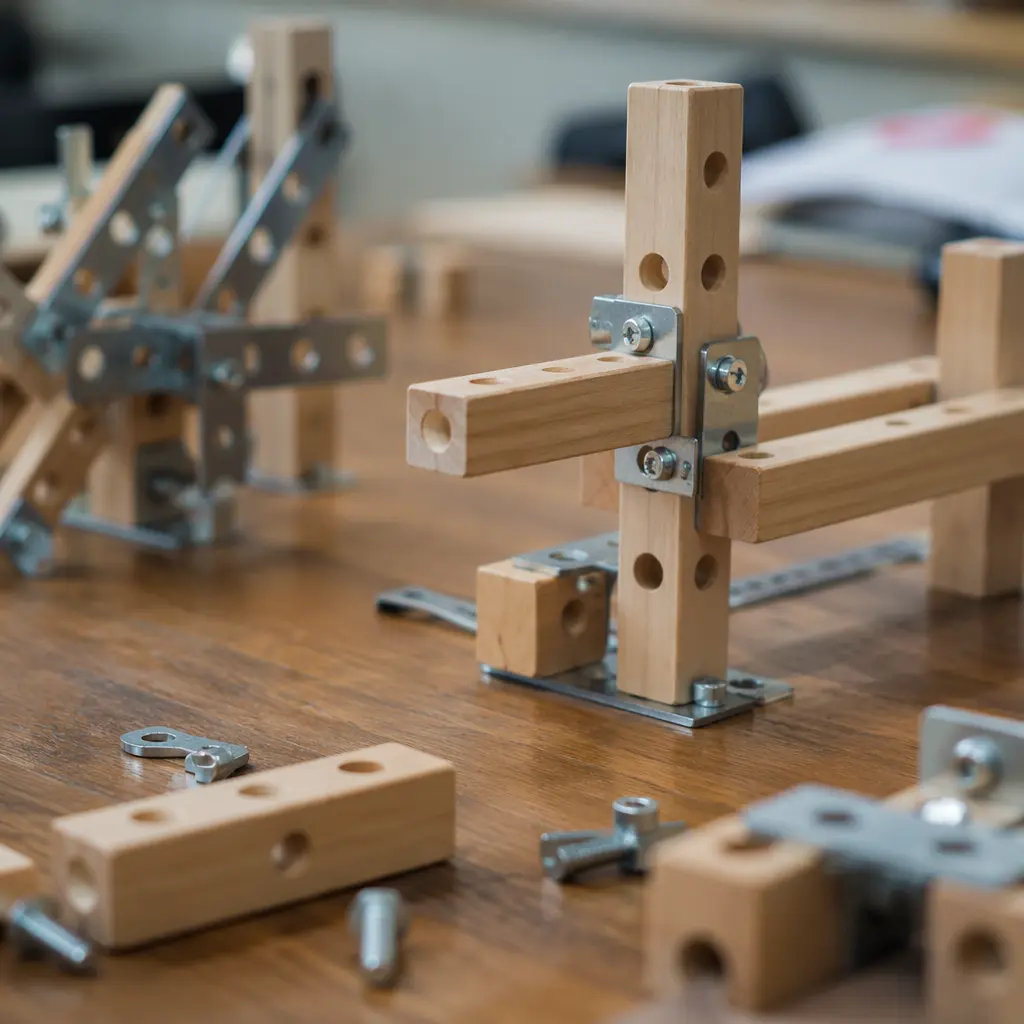
- Freeform materials: Planks, beams, or rods without fixed connection rules encourage creative problem-solving and spatial reasoning.
- Hybrid sets: Combining different materials or connection styles can push kids to adapt and invent new building strategies.
Frequently asked questions
Why choose open-ended building toys over themed kits?
Open-ended toys don’t have a single “right” outcome. Instead of finishing one model and moving on, kids can rebuild, modify, and experiment repeatedly. This supports creativity and persistence more than one-and-done kits.
Are screen-free building toys still challenging for older kids?
Yes. The challenge comes from the design problems kids set for themselves—making structures taller, stronger, or more complex. Many older kids prefer this hands-on challenge to following digital instructions.
How many pieces are enough?
There’s no single number, but more pieces generally mean more flexibility. Look for sets that allow meaningful builds without requiring every piece at once, and that can be expanded later if interest stays high.
Do these toys support learning goals?
Open-ended building naturally supports skills tied to STEM learning, such as spatial reasoning, basic physics, and problem-solving. The learning is informal, driven by curiosity rather than lessons.
For kids ages 9–12, the best building toys are those that respect their growing independence and curiosity. Screen-free, open-ended construction sets offer lasting value by adapting to a child’s ideas instead of limiting them. When chosen thoughtfully, these toys can remain engaging well into the teen years, supporting creativity and hands-on learning along the way.