Outdoor Science Toys That Get Teens Outside
A buyer-focused guide to outdoor science toys for teens, blending STEM learning with fresh air. Learn what to look for, age suitability, safety tips, and standout categories that spark real exploration.
Compare prices and availability
Check current prices and availability for this guide on eBay.
As an eBay Partner, we may be compensated if you make a purchase.
Getting teens to step away from screens can be a challenge, but the right outdoor science toys can help. These tools and kits blend hands-on STEM learning with real-world exploration, encouraging teens to move, observe, test, and question what they see outside. For parents, the goal is finding options that feel like genuine gear—not toys—while still being safe, age-appropriate, and engaging.
What to look for
Outdoor science toys for teens work best when they balance curiosity with credibility. Teens are quick to lose interest in items that feel flimsy or overly simplified, so quality and purpose matter. Look for tools that invite open-ended exploration rather than step-by-step instructions with a single outcome.
- Durable construction that can handle outdoor use and frequent handling
- Real data collection or observation, such as measuring, mapping, or recording
- Clear but not childish instructions that support independent use
- Opportunities to expand or customize with additional experiments
- Minimal setup barriers so teens can start using it quickly
Age suitability
For ages 13 and up, science toys should respect growing independence and analytical skills. Many teens are capable of handling more complex tools, interpreting results, and troubleshooting problems on their own. Check whether the item assumes prior knowledge in areas like physics, chemistry, or data analysis, and consider how much adult support may be needed at the beginning. The best options grow with the teen, staying relevant from early adolescence through the later teen years.
Standout categories or types
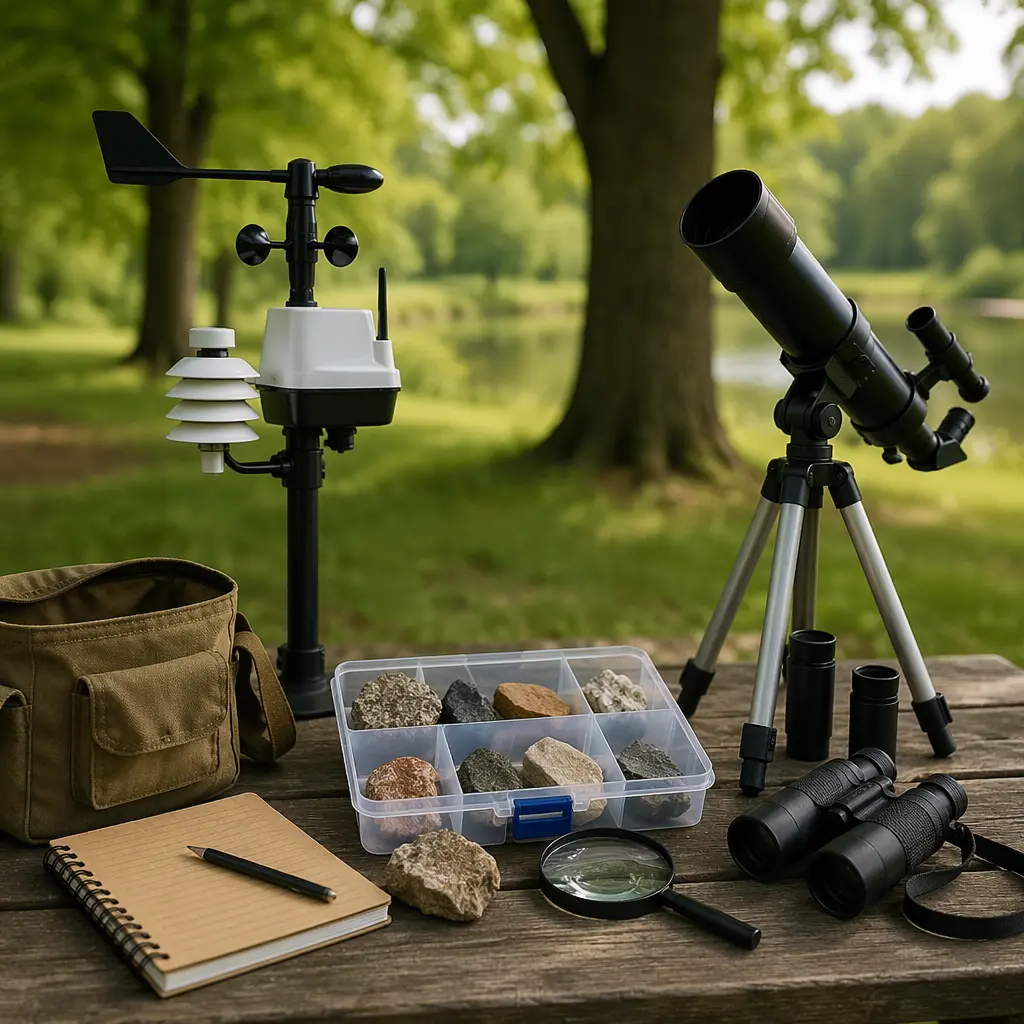
Certain categories of outdoor science toys consistently capture teen interest because they connect learning to the real world. Observation-based tools, such as astronomy or nature study gear, let teens explore at their own pace while building patience and attention to detail. Data-driven tools, like environmental sensors or mapping devices, appeal to teens who enjoy technology and analysis.
Experiment-focused kits are another strong option. These often encourage hypothesis testing and iteration, helping teens see that science is a process rather than a fixed answer. Physical science tools that involve motion, energy, or engineering can also be effective, especially when they require outdoor space to fully use.
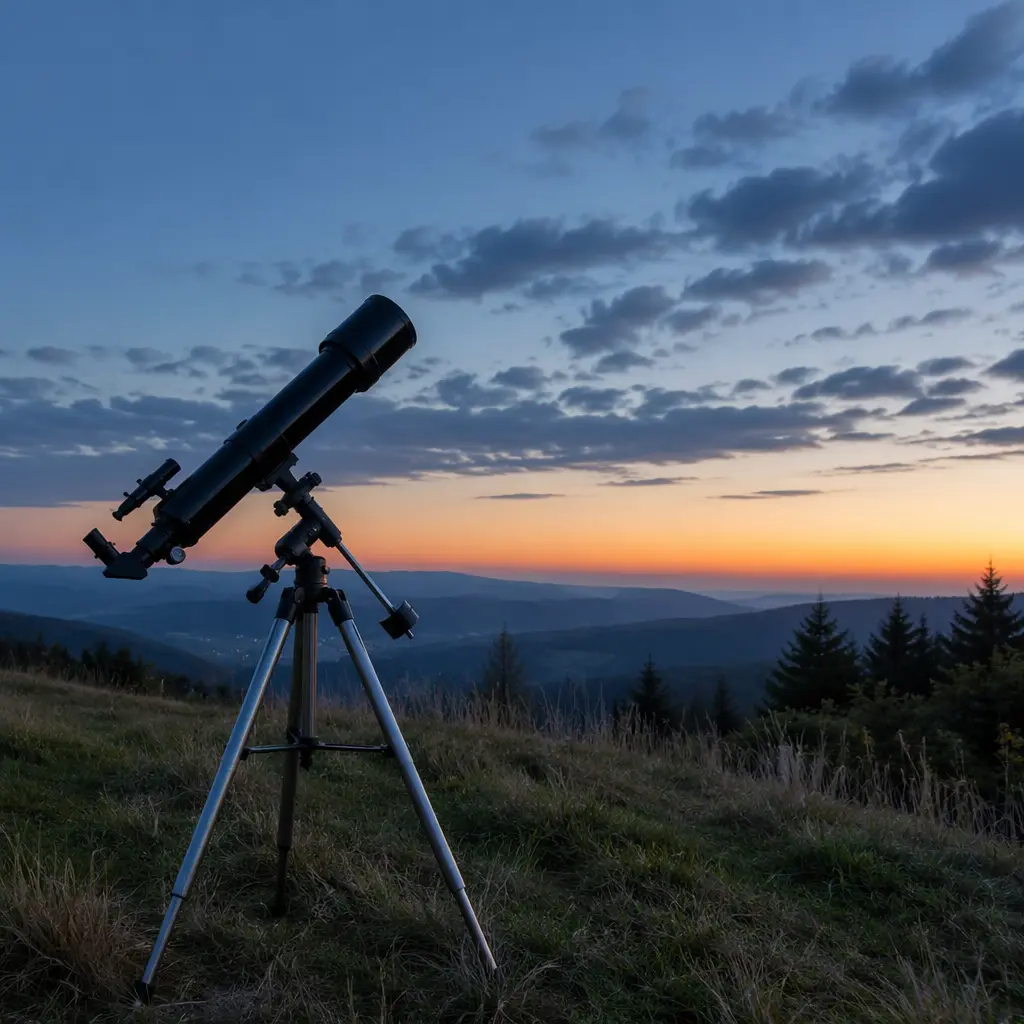
- Astronomy and sky observation tools for nighttime exploration
- Environmental monitoring tools that track weather or air conditions
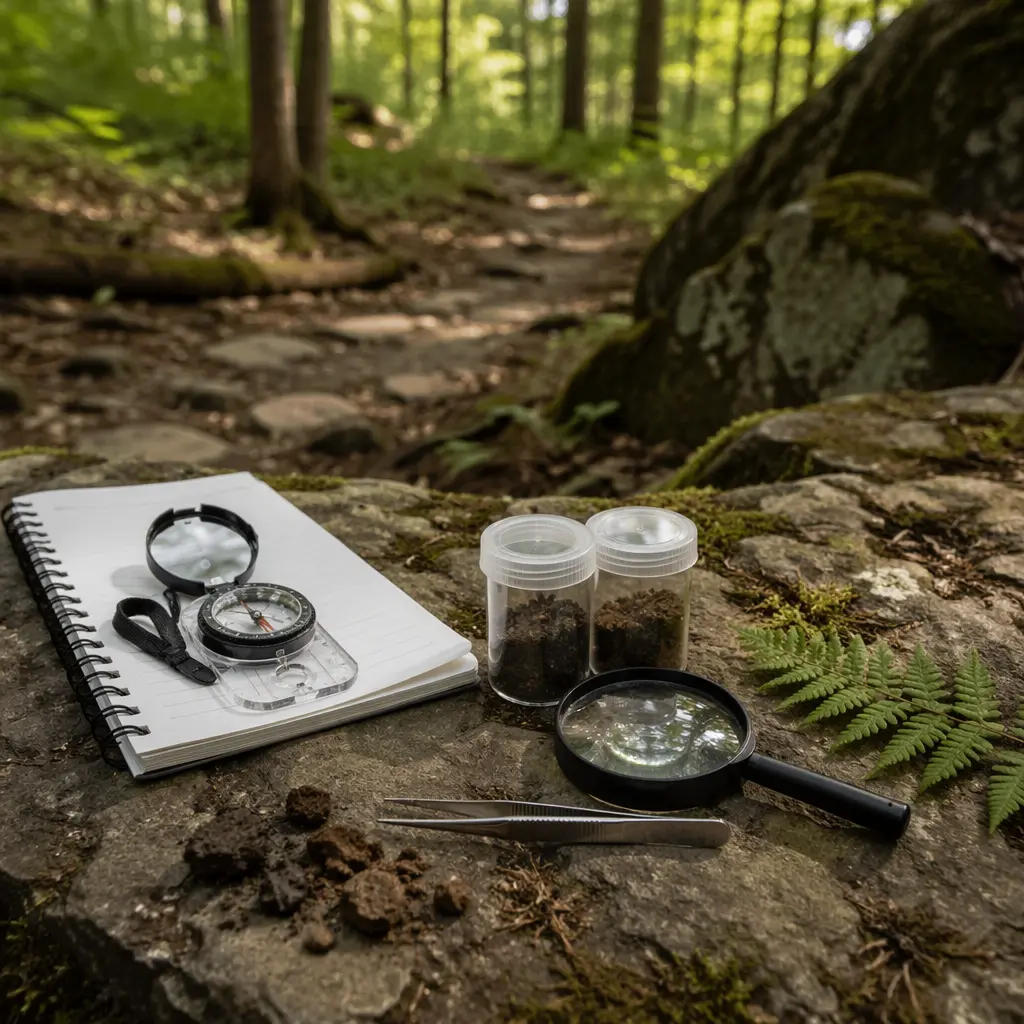
- Nature study kits focused on biology, geology, or ecology
- Engineering and physics kits designed for open outdoor areas
Frequently asked questions
Are outdoor science toys still educational without a classroom?
Yes. Many outdoor science toys are designed for informal learning, where curiosity leads the experience. Teens often learn more when they can explore freely, make mistakes, and follow their own questions outside a traditional classroom setting.
Do these toys require adult supervision?
It depends on the tool. Observation-based items may need little supervision, while kits involving chemicals, tools, or nighttime use benefit from adult oversight, especially at the start.
What if my teen isn’t interested in science?
Look for toys that connect science to existing interests, such as sports, technology, or the outdoors. When science feels relevant, teens are more likely to engage.
Can these toys support school learning?
Many align well with middle and high school STEM topics, reinforcing concepts like data analysis, experimentation, and critical thinking in a hands-on way.
Are outdoor science toys suitable for group use?
Yes. Many are ideal for siblings, friends, or clubs, encouraging collaboration and discussion while sharing observations and results.
Outdoor science toys can turn backyards, parks, and trails into learning spaces that feel exciting rather than instructional. By choosing well-made, age-appropriate tools that respect teens’ growing skills and independence, parents can support curiosity, movement, and meaningful time outdoors.