Best Beginner Sewing Kits Without Screens for Tweens
A parent-focused guide to beginner sewing kits for ages 9–12, covering safety, skill level, mess, supervision, and the trade-offs between felt crafts, plush kits, and real sewing projects.
Compare prices and availability
Check current prices and availability for this guide on eBay.
As an eBay Partner, we may be compensated if you make a purchase.
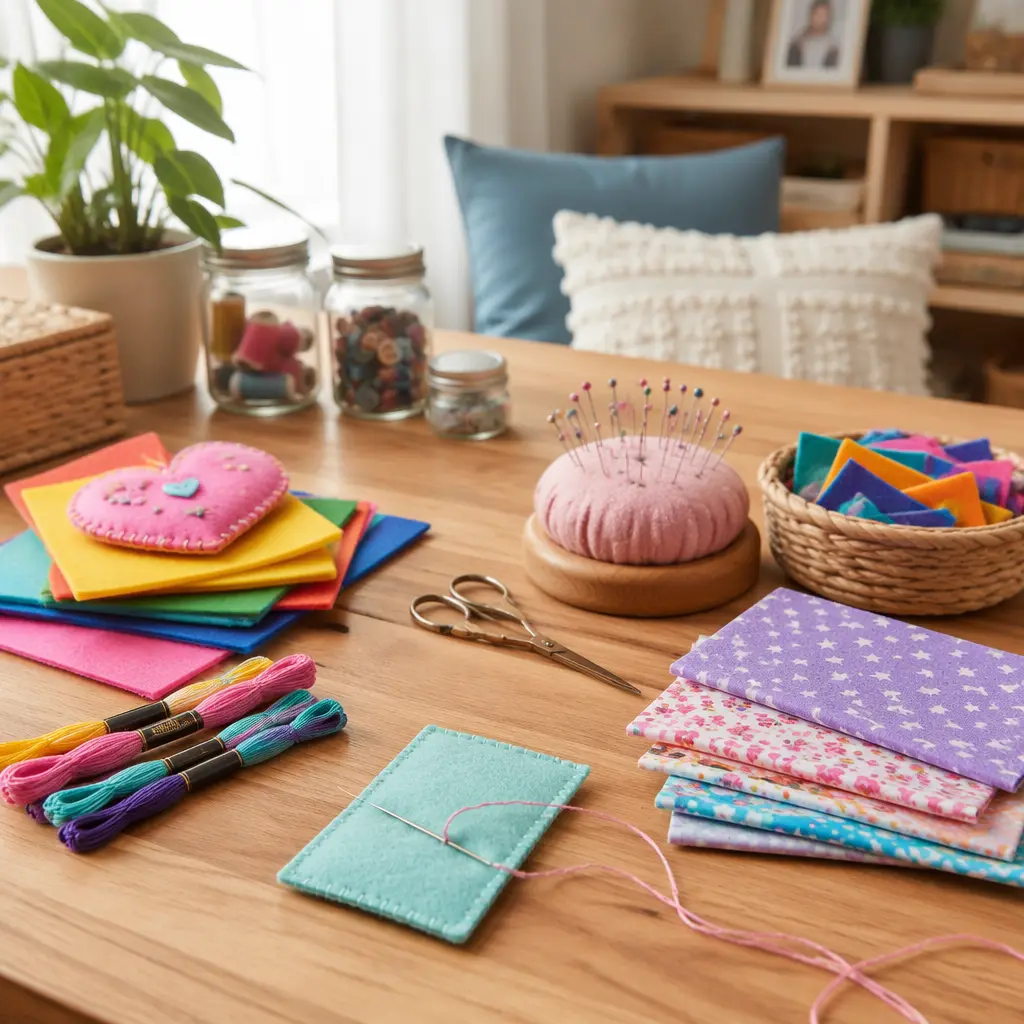
Beginner sewing kits can be a good fit for tweens who want a practical, screen-free hobby that feels more grown-up than basic crafts. The challenge for parents is finding a kit that teaches real skills without becoming frustrating, messy, or too dependent on adult help. Some kits focus on simple felt projects with pre-punched holes, while others introduce hand stitching, embroidery, or small functional items like pouches and pillows. The right choice depends less on flashy extras and more on how clearly the kit builds confidence step by step.
What to look for
For ages 9–12, the best beginner sewing kits usually balance independence with enough structure to avoid constant mistakes. Clear visual instructions matter more than the number of included projects. Tweens often lose interest when threading needles is difficult, fabric pieces are poorly cut, or instructions skip steps. Kits designed for younger children may feel too simplistic, while advanced fashion-focused kits can require patience and precision beyond what many beginners enjoy.
- Blunt-tip or rounded needles for early projects, especially for children new to sewing
- Pre-cut fabric or felt pieces that reduce setup frustration
- Projects that can be completed in one or two sessions to maintain momentum
- Enough thread and spare materials for small mistakes and practice stitches
- Storage-friendly packaging so loose needles, pins, and thread stay contained
- Clear illustrated instructions rather than text-heavy manuals
- Projects that teach transferable skills like threading, knots, straight stitches, and simple repairs
Age suitability
Most tweens in the 9–12 range can handle beginner hand sewing kits independently after an initial demonstration. Children who already enjoy drawing, model building, knitting, or detailed crafts often adapt quickly because sewing requires patience and fine motor control. Absolute beginners may do better with felt-based kits where holes are pre-punched and seams are forgiving. Tweens interested in fashion or design may prefer kits that create usable items like bags, pillows, or accessories instead of decorative ornaments. Sewing machines marketed for children can seem appealing at this age, but many still require close supervision, careful setup, and enough workspace to manage fabric safely. For families prioritizing low supervision and easy cleanup, hand-sewing kits are usually the more practical starting point.
Options compared
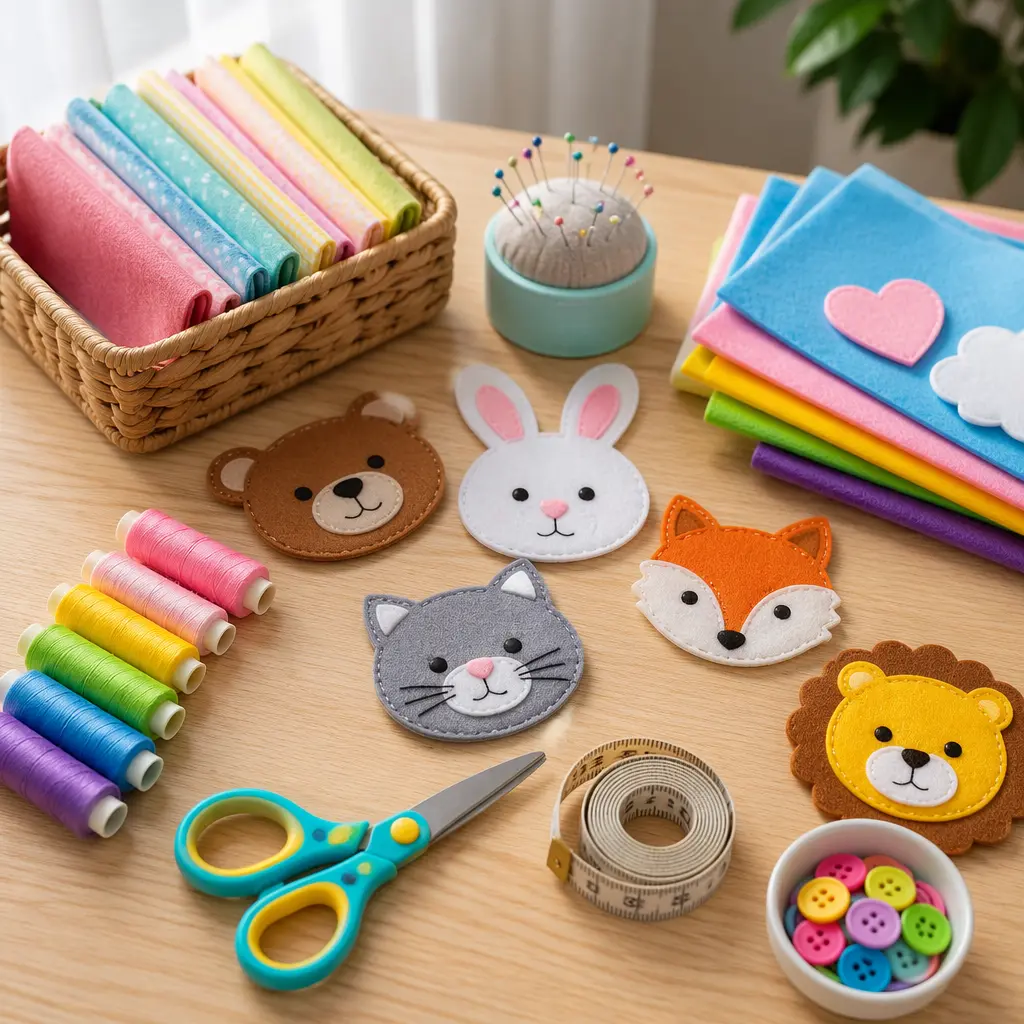
Felt sewing kits are usually the easiest entry point. These often use thick fabric, larger plastic or blunt metal needles, and simple stitches that are easier to see and repeat. They work well for children who enjoy collecting small plushies, ornaments, or animals and who may become discouraged by precision-heavy projects. The trade-off is that some kits feel repetitive after a few projects and may not teach techniques that transfer directly to clothing repairs or advanced sewing.
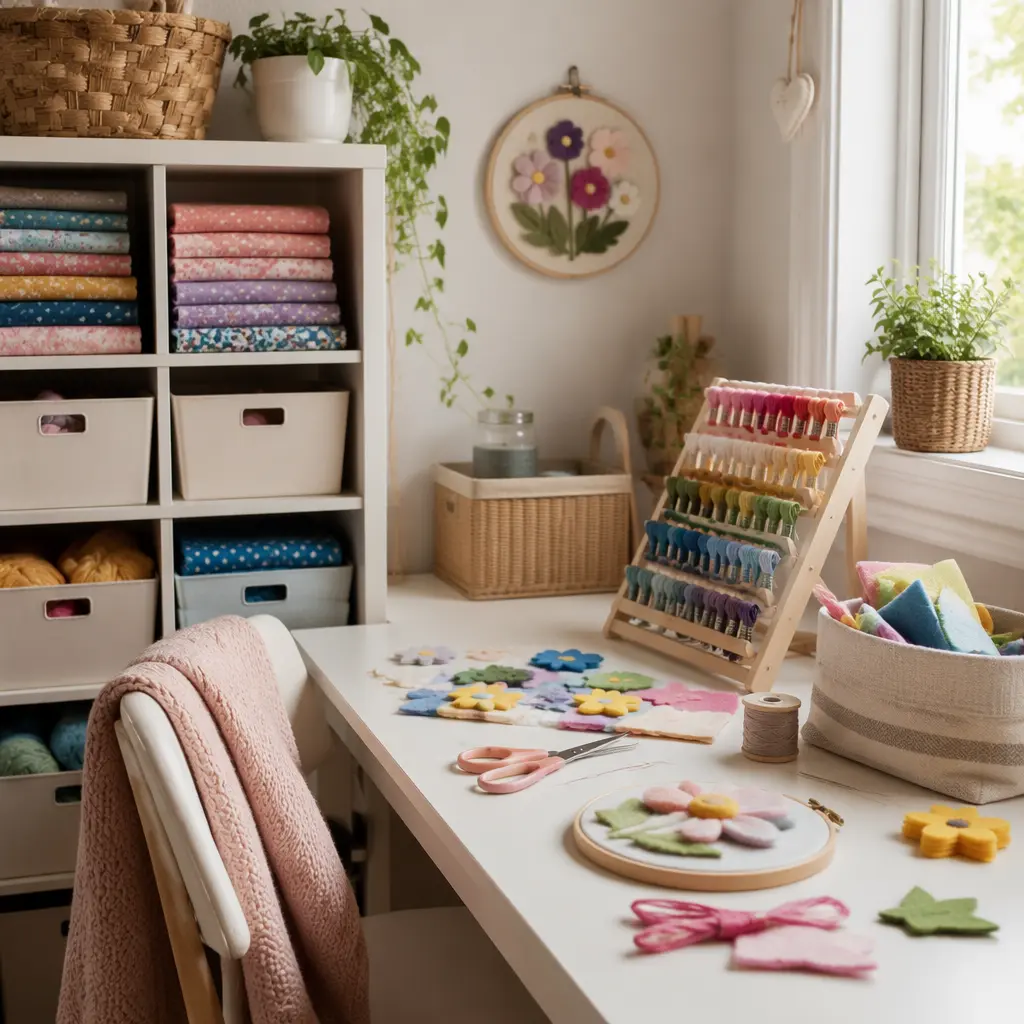
Embroidery and stitching kits focus more on decorative sewing skills. These kits suit tweens who enjoy patterns, drawing, and careful detail work. They are generally quieter and less messy than stuffing-based plush kits, but they can require more patience because progress is slower. Simple sewing kits that create pouches, pillows, tote bags, or small accessories often provide the best middle ground for this age group. They teach practical stitches while producing something usable. However, these kits may need stronger needles, tighter stitching, and occasional adult help when knots tangle or seams pull apart.
- Felt plush kits: easiest for beginners, low frustration, good for short attention spans, but limited long-term challenge
- Embroidery kits: calm and compact, ideal for detail-oriented tweens, though slower to complete
- Accessory and pouch kits: practical skill building with reusable results, but slightly harder for first-time sewers
- Fashion-design kits with mannequins and fabric samples: creative and open-ended, though often better after basic sewing skills are learned
- Mini sewing machine kits: closer to real sewing, but noisier, less portable, and more supervision-heavy than hand sewing
Frequently asked questions
Are sewing kits safe for 9–12 year olds?
Most beginner kits for this age group are designed with basic safety in mind, using blunt needles or simplified tools. Even so, sewing still involves sharp objects and requires reasonable care. Children who can follow instructions independently are usually ready for beginner hand sewing.
Do beginner kits create a lot of mess?
Hand-sewing kits are generally low mess compared with paint or slime-based crafts. The main clutter comes from loose thread scraps, stuffing material, and small fabric pieces. A tray, storage box, or zip pouch helps keep supplies contained between sessions.
How much adult supervision is typically needed?
Many tweens can work independently once they learn threading, knot tying, and basic stitches. Some adult help is still useful for untangling thread, securing difficult knots, or explaining confusing instructions. Simpler felt kits usually require the least supervision.
Should beginners start with hand sewing or a sewing machine?
Hand sewing is often the smoother starting point because it teaches core techniques slowly and safely. Sewing machines can be rewarding for older or highly motivated tweens, but they add noise, setup time, maintenance, and more opportunities for frustration.
What makes a sewing kit more likely to hold a tween’s interest?
Projects that feel useful or display-worthy tend to keep attention longer. Kits that produce wearable accessories, room decor, or collectible plush items often feel more rewarding than repetitive stitch exercises alone. Manageable project length also matters because quick wins help beginners build confidence.
A good beginner sewing kit should make learning feel achievable rather than overwhelming. For most tweens, the best choice is a screen-free kit with clear instructions, manageable projects, and materials sturdy enough to survive beginner mistakes. Starting with simple hand sewing can build practical skills, patience, and creativity without requiring a large budget, permanent workspace, or constant supervision.