Air-Dry Clay vs Modeling Foam for Mess-Sensitive Homes
Comparing air-dry clay and modeling foam for children aged 6–8, with practical guidance on cleanup, carpet risk, drying problems, storage, supervision and frustration levels.
Compare prices and availability
Check current prices and availability for this guide on eBay.
As an eBay Partner, we may be compensated if you make a purchase.
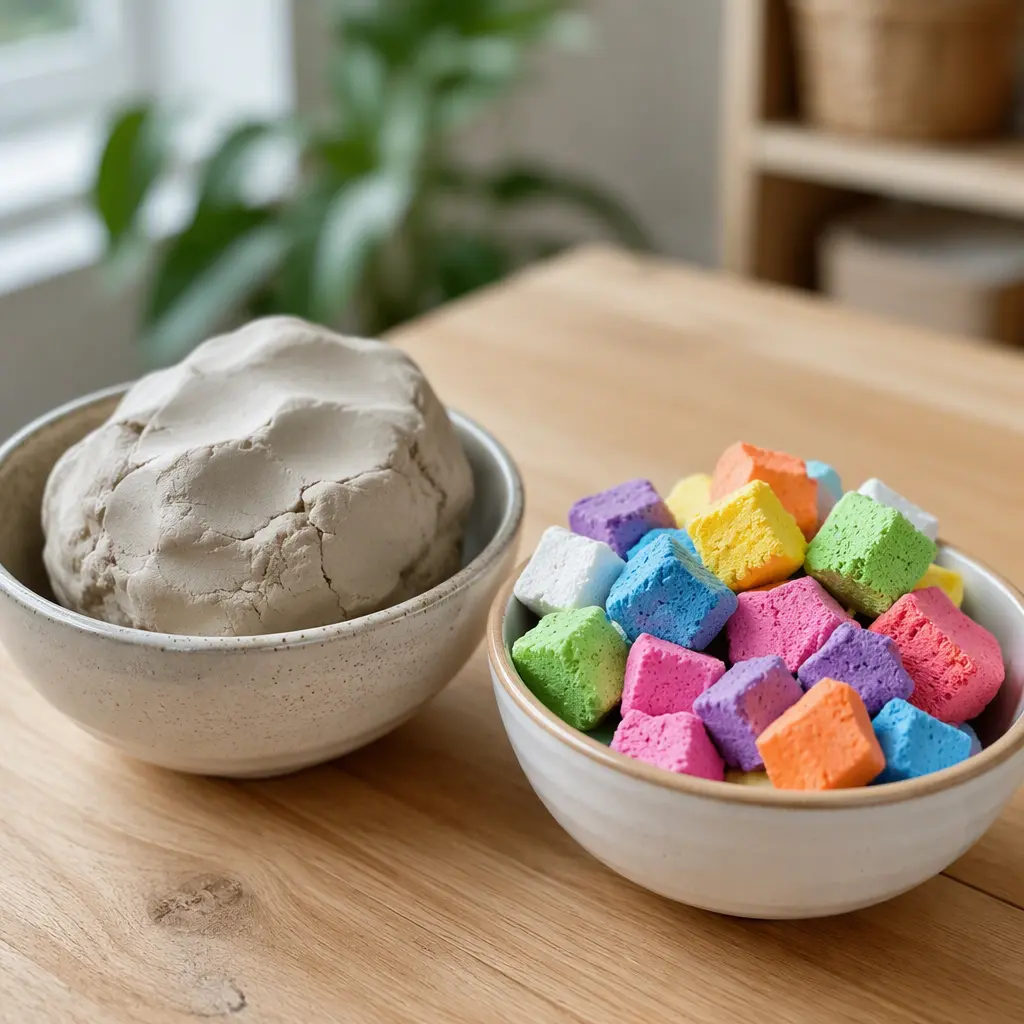
Air-dry clay and modeling foam both offer screen-free creative play for children aged 6–8, but they behave very differently in a family home. For parents trying to limit mess, avoid carpet disasters or reduce frustration during craft time, the choice matters more than it first appears. Air-dry clay encourages sculpting and longer-lasting projects, while modeling foam is usually lighter, softer and easier to reshape repeatedly. The better fit depends on how much cleanup you can tolerate, whether children want to keep finished creations, and how independently they can manage materials without constant reminders about drying, sticking or storage.
What to look for
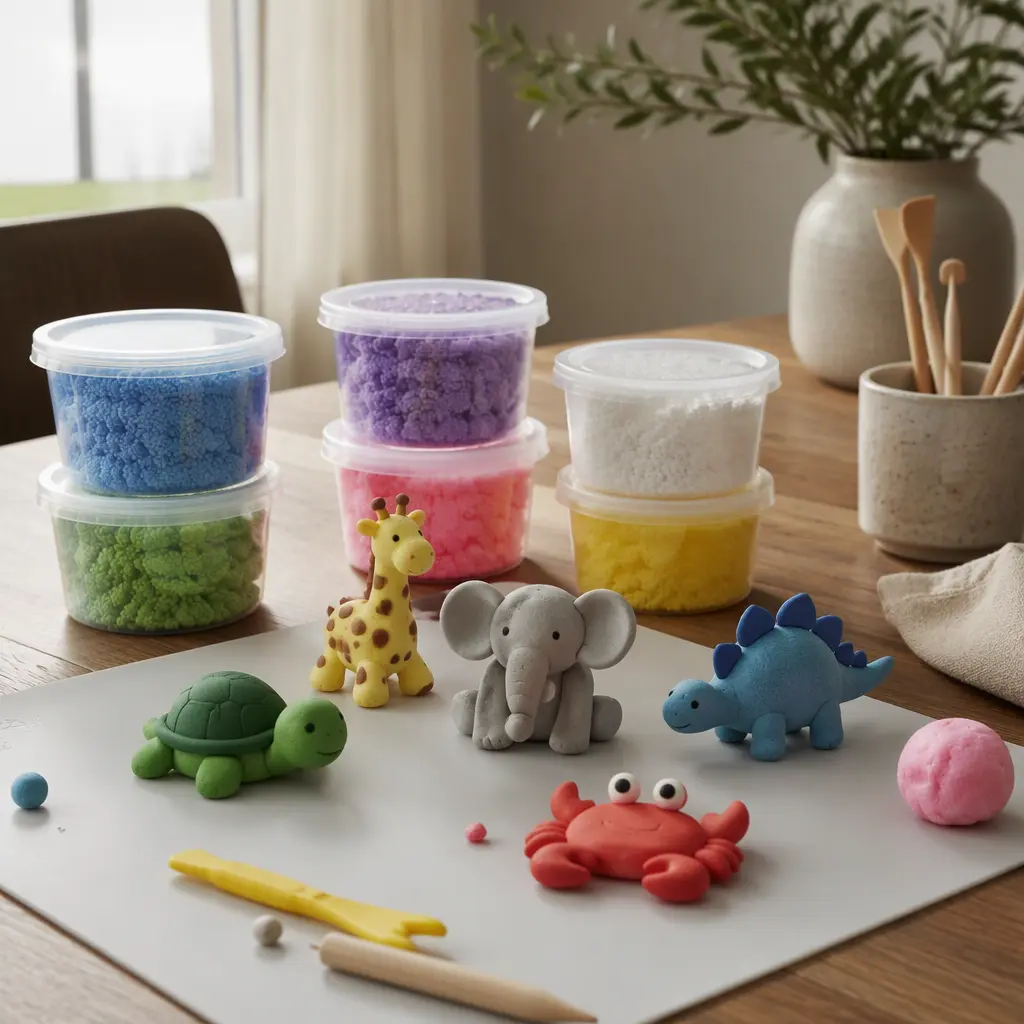
The biggest differences between these materials are cleanup, drying behavior and how forgiving they are during play. Air-dry clay changes permanently as it dries, which can be rewarding for children who enjoy making display pieces or painted crafts later. Modeling foam stays flexible for longer and is often more forgiving if a child changes their mind halfway through a project. In homes where table space is shared with meals or homework, storage and cleanup speed also become important.
- Check whether the material can be fully sealed between uses. Air exposure affects both products differently.
- Consider your flooring. Tiny foam beads can cling to carpet and fabric, while clay crumbs may dry into hard bits.
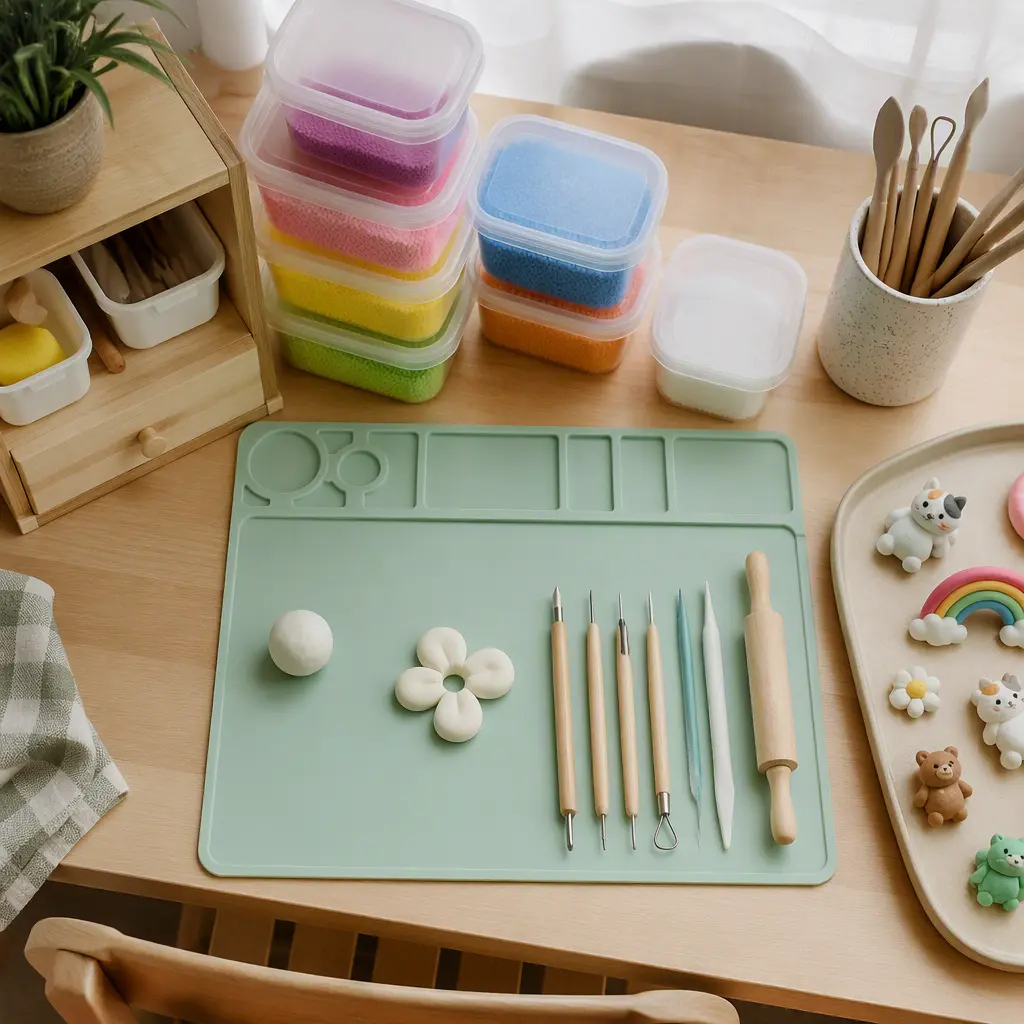
- Look for washable work mats or trays if children will craft on dining tables.
- Think about drying time and patience levels. Air-dry clay projects can crack or collapse if handled too early.
- Choose larger foam textures for younger children who struggle with fine motor control or cleanup.
- Expect more hand wiping with clay, especially around sleeves, fingernails and chair edges.
- Factor in storage space for unfinished projects that need to dry undisturbed.
Age suitability
Children aged 6–8 are usually ready for either material, but their tolerance for mistakes varies widely. Air-dry clay suits children who can slow down, follow steps and accept that some projects may crack, flatten or dry unevenly. It often works better for children interested in building figures, ornaments or creatures they can keep afterward. Modeling foam is generally easier for children who become frustrated when projects break apart or fail during drying. Its lightweight texture can also feel less physically demanding for children with weaker hand strength. However, some children dislike the sticky or crumbly feel of certain foam compounds, especially if they are sensitive to textures.
Options compared
Air-dry clay is usually the better choice for children who enjoy detailed sculpting and want a finished result they can paint or display later. It supports more structured craft activities and can work well for weekend projects, school assignments or holiday decorations. The trade-off is that it creates more maintenance for parents. Clay can dry out quickly if containers are left open, unfinished pieces need protected space while drying, and cleanup often involves sweeping or wiping dried residue from surfaces. Cracking is also common when projects are too thick, too thin or dried unevenly, which can disappoint children expecting permanent results.
Modeling foam is often easier for casual play sessions and shorter attention spans. It tends to bounce back from mistakes because children can reshape creations repeatedly instead of committing to a final form. For mess-sensitive homes, the main concern is not stains but spread. Foam beads or small fragments can travel surprisingly far, especially onto rugs, fleece clothing or textured upholstery. Cleanup is usually faster on hard floors and tables than with clay, but carpets can turn a quick activity into a longer cleanup task. Modeling foam also suits children who enjoy sensory play without wanting a permanent craft project afterward.
- Choose air-dry clay if your child enjoys detailed crafting, painting projects and keeping finished creations.
- Choose modeling foam if your child prefers open-ended play and becomes frustrated by drying failures.
- Avoid air-dry clay for very rushed craft sessions or homes without protected drying space.
- Avoid modeling foam if loose beads on carpets, pet hair or fabric furniture will cause stress.
- For shared family spaces, washable mats and sealed storage containers help with either option.
Frequently asked questions
Which material is easier to clean from tables?
Modeling foam is usually quicker to lift from smooth tabletops because it stays lighter and less dusty. Air-dry clay can leave smears or dried crumbs that need wiping afterward, especially if children press it into textured surfaces.
What causes air-dry clay projects to crack?
Cracking often happens when projects dry unevenly, contain trapped air pockets or are made too thick in some areas and too thin in others. Children in the 6–8 age range may need reminders to smooth joins carefully and allow projects to dry slowly without handling them repeatedly.
Is modeling foam safer for carpets?
Neither material is ideal for carpeted rooms, but they create different problems. Clay can harden into crumbs that grind into fibers, while modeling foam may scatter lightweight pieces that cling to fabric and static-prone surfaces. A washable mat on hard flooring is usually the easiest setup.
Which option frustrates younger children less?
Modeling foam is often more forgiving because creations can be reshaped repeatedly without waiting for drying time. Air-dry clay can feel more rewarding for patient children, but mistakes are harder to reverse once pieces begin drying.
Can finished air-dry clay projects be stored long term?
Many air-dry clay creations can last for extended periods if fully dried and stored carefully, but they are still more fragile than kiln-fired pottery. Thin parts, arms or small decorative details may snap if dropped or packed tightly in storage bins.
For mess-sensitive homes, the simplest decision is often whether you prefer dealing with temporary scattered bits or longer drying-related cleanup. Air-dry clay offers more lasting craft potential but demands patience, protected surfaces and careful storage. Modeling foam is usually easier for relaxed creative play and younger attention spans, though it can spread widely in carpeted spaces. Matching the material to your child’s patience level and your household cleanup tolerance tends to lead to a better experience than choosing based on novelty alone.