Floor Easels vs Tabletop Easels for Small Homes
Choosing an easel for a small home comes down to storage, cleanup and how independently a child can use it. This guide compares floor and tabletop easels for ages 3–5.

Compare prices and availability
Check current prices and availability for this guide on eBay.
As an eBay Partner, we may be compensated if you make a purchase.
For families living in apartments, shared playrooms or homes without a dedicated craft area, the size and setup of an easel can matter as much as the art activities themselves. Floor easels and tabletop easels both support drawing, painting and early writing practice, but they fit into daily life differently. A larger floor easel can encourage standing movement and more independent art sessions, while a tabletop version usually takes up less space and is easier to store after use. The right choice depends on how often your child creates art, how much cleanup you can realistically manage, and whether your child can safely access and use the easel without constant help.
What to look for
An easel for ages 3–5 should feel stable, simple to clean and manageable for everyday use. In small homes, storage and portability often become more important than extra features. Some easels include trays, clips, chalkboard surfaces or paper rolls, but those additions can increase both footprint and cleanup time. Parents may also want to think about whether the easel will stay permanently visible or need to be packed away between activities.
- Choose a stable frame that does not wobble easily on hard floors or carpet.
- Check folded dimensions if the easel will need to fit in a closet or behind furniture.
- Look for wipe-clean surfaces and removable trays to simplify paint and marker cleanup.
- Consider whether your child can carry, unfold or position the easel independently.
- Floor easels generally need more permanent floor space, while tabletop easels can share existing tables.
- Double-sided easels can support sibling use but may feel bulky in narrow rooms.
- Art supply storage built into the easel can reduce clutter but increases overall size.
- If noise is a concern, avoid accessories with clicking magnets or hard plastic drawing surfaces.
Age suitability
Children ages 3–5 are often developing the shoulder strength, grip control and attention span needed for longer art sessions. Floor easels usually suit older preschoolers who enjoy standing, moving around and switching between painting and drawing surfaces. They can support larger arm movements and collaborative play, especially for children who dislike sitting still. Tabletop easels tend to work well for younger preschoolers or children who already spend time at a child-sized table for puzzles, snacks or crafts. They also fit better in homes where art time happens briefly before cleanup. Some children become frustrated with large easels if they cannot reach clips, paper rolls or storage trays without help, so independent setup matters as much as age recommendations.
Options compared
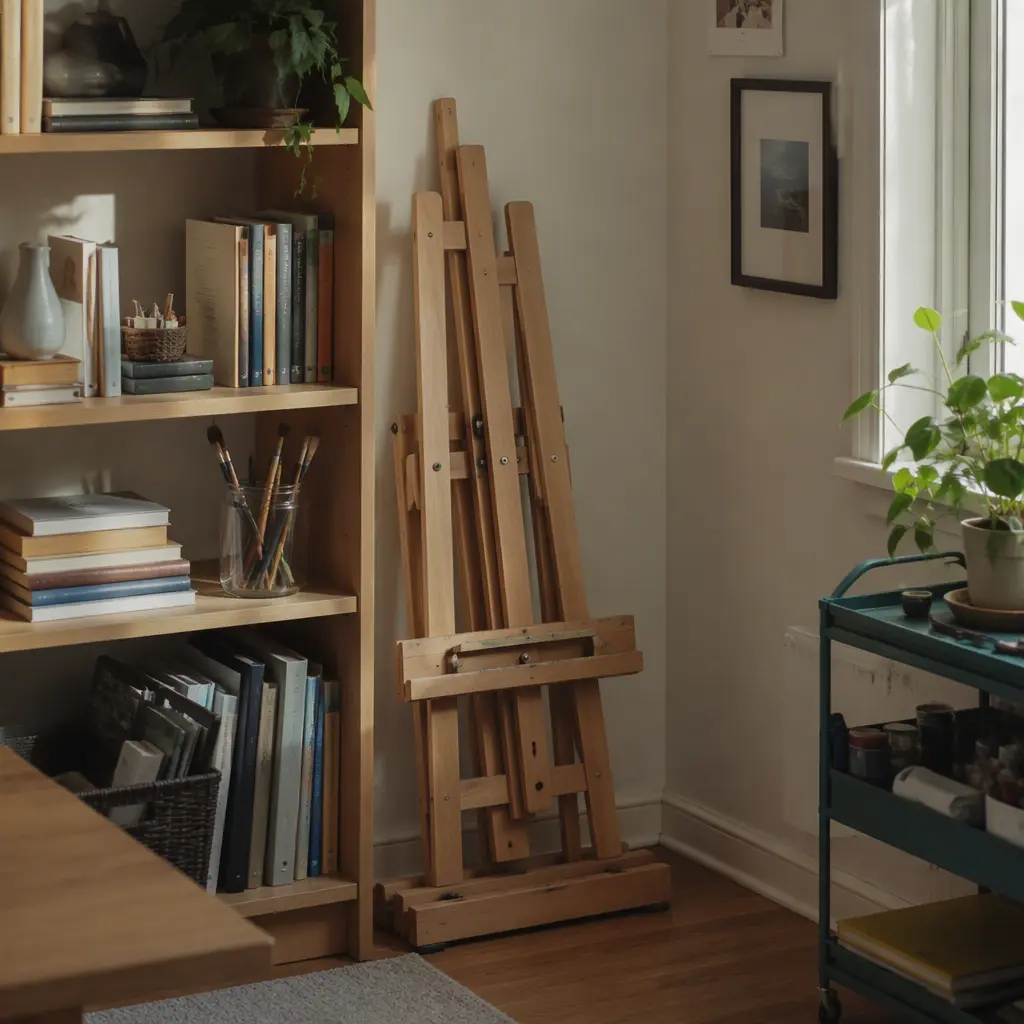
Floor easels are usually the better choice for families who expect frequent art use and can dedicate at least a small section of floor space to creative activities. They support bigger drawings, easier side-to-side movement and a more immersive play style. Many preschoolers enjoy standing while painting, which can feel less restrictive than sitting at a table. However, floor easels are harder to move once loaded with supplies, and they can visually dominate a small room even when folded. Cleanup may also take longer because children often use larger amounts of paint or paper at standing easels.
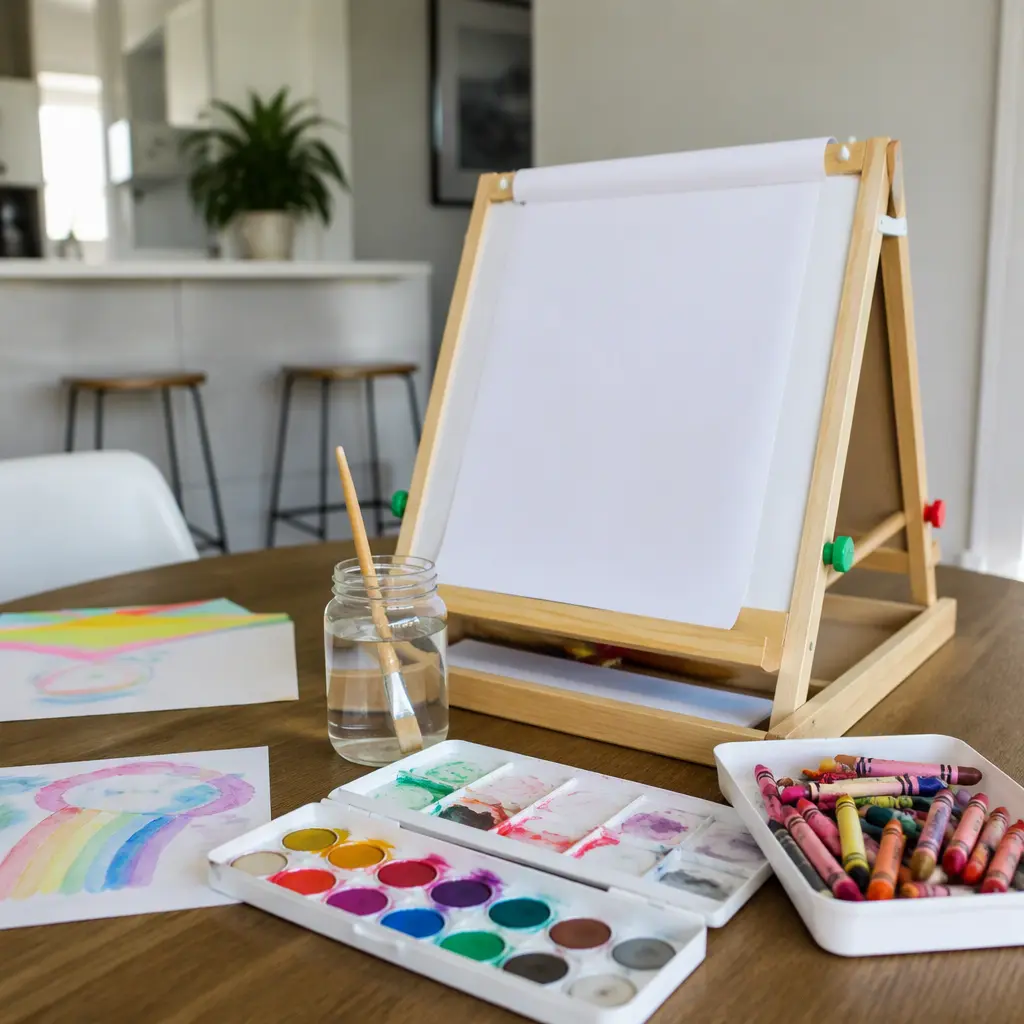
Tabletop easels are often easier to live with in smaller homes because they can be brought out only when needed. They usually weigh less, fit into closets more easily and work on existing kitchen or play tables. For parents trying to limit clutter, this setup can make art activities feel more manageable. The trade-off is that tabletop easels generally provide less movement freedom and smaller working surfaces. Some children may also need help positioning the easel securely on slippery tables. Families who prefer quick setup and shorter craft sessions often find tabletop easels more practical, while families encouraging regular independent art time may prefer a compact folding floor easel despite the larger footprint.
- Choose a floor easel if your child enjoys standing play, creates art frequently or benefits from larger drawing space.
- Choose a tabletop easel if storage is limited, art sessions are occasional or the dining table doubles as the craft area.
- Avoid oversized wooden floor easels in narrow apartments where pathways need to stay clear.
- Avoid very lightweight tabletop easels if your child presses hard while drawing or painting.
- A folding floor easel can balance independent access with easier storage.
- A tabletop easel with built-in storage may reduce supply clutter in shared living spaces.
Frequently asked questions
Do preschoolers need a floor easel for proper drawing development?
Not necessarily. Children can develop fine motor skills, drawing confidence and creativity using either style. Floor easels support larger arm movements, but tabletop easels still allow painting, coloring and early writing practice when paired with a comfortable chair and stable surface.
Which type is easier to clean?
Tabletop easels are usually easier to clean because they involve smaller work areas and can be carried directly to a sink or storage area. Floor easels often collect paint drips near legs and trays, especially during independent use. Materials matter too: sealed wood and smooth plastic typically wipe down more easily than unfinished surfaces.
Can a floor easel work in a very small apartment?
It can, especially if the easel folds flat and has a predictable storage spot. Some families keep a floor easel behind a sofa, inside a closet or against a wall when not in use. Measuring the open footprint before buying is important because some easels require extra room for trays and child movement.
Are magnetic or chalkboard features worth having?
They can extend play value, particularly for children who like switching between drawing, letters and pretend school activities. However, extra features also increase visual clutter, accessory storage and cleanup. In small homes, a simpler easel may see more regular use because setup feels easier.
What supplies are easiest to manage with young children?
Washable crayons, chunky markers, watercolor paints and large paper pads are generally simpler for ages 3–5 than small paint pots or messy sensory materials. Limiting the number of supplies available at one time can also make independent cleanup more realistic.
The best easel for a small home is usually the one that fits naturally into everyday routines instead of creating extra stress around setup and storage. Families with space for a permanent art corner may appreciate the flexibility of a floor easel, while those sharing dining or living areas often benefit from the simplicity of a tabletop design. Focusing on realistic cleanup, safe independent use and available storage space can make the decision clearer than choosing based on extra features alone.