Gak: How Nickelodeon-style slime became a 1990s sensation
Nickelodeon’s Gak turned stretchy slime into a mainstream toy in the early 1990s, blending gross-out humor, sensory play, and television-era branding into one of the decade’s messiest fads.
Compare prices and availability
Check current prices and availability for this guide on eBay.
As an eBay Partner, we may be compensated if you make a purchase.
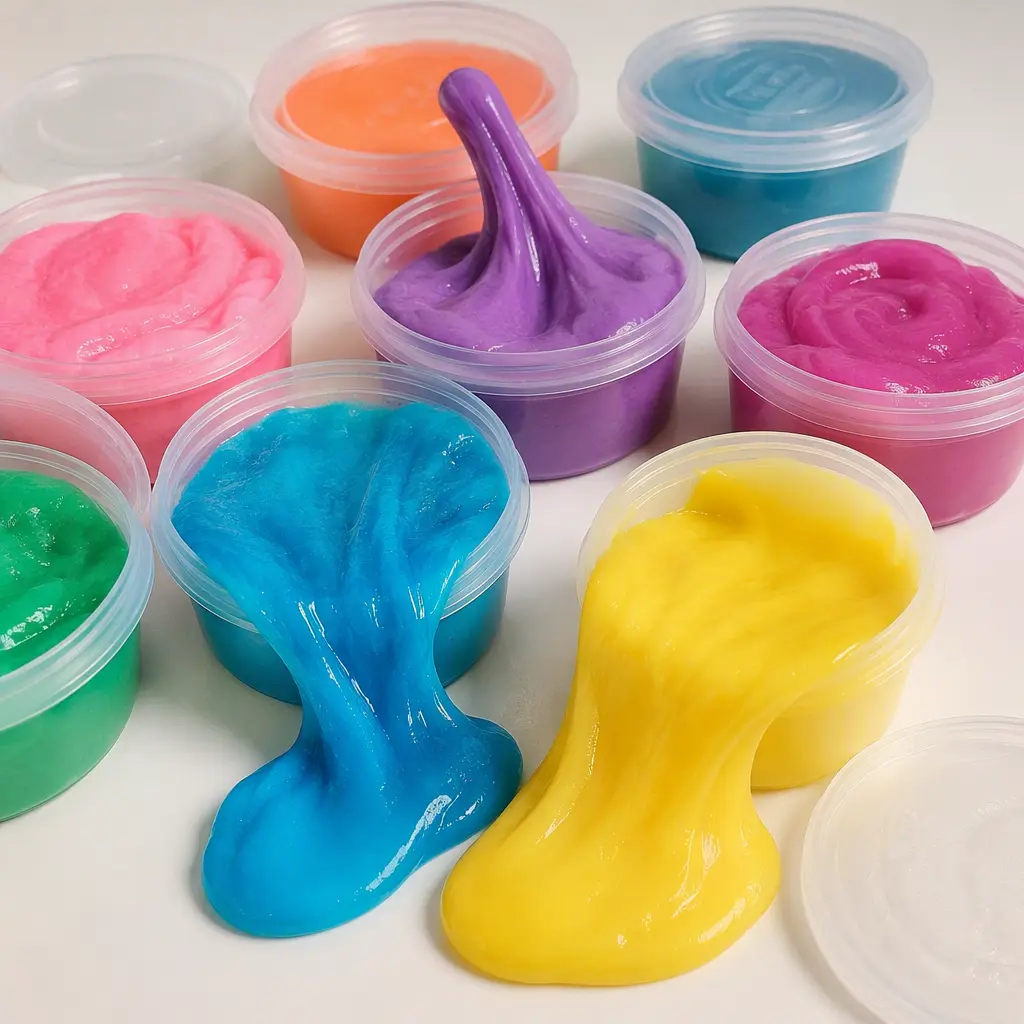
Few toys captured the messy energy of 1990s kids’ culture quite like Gak. Sold in brightly colored containers and marketed with loud, gross-out humor, the stretchy slime toy became a staple of schoolyards, sleepovers, and toy-store aisles during the decade. It was part science experiment, part prank item, and part stress toy before that category had fully taken shape. While slime products existed long before Gak arrived, this version helped push gooey sensory play into the mainstream through television-driven marketing and a hands-on appeal that was impossible to ignore once opened.
Where it came from
Gak launched in 1992 during a period when children’s entertainment leaned heavily into messy, tactile fun. The toy was closely tied to the style and humor popularized by Nickelodeon, especially the network’s famous green slime imagery. While the product itself was sold through toy channels rather than as a simple television tie-in, it benefited from a larger cultural moment that celebrated gross-out comedy, practical jokes, and interactive play. The timing mattered: children’s television in the early 1990s increasingly treated messiness as part of the fun rather than something to avoid.
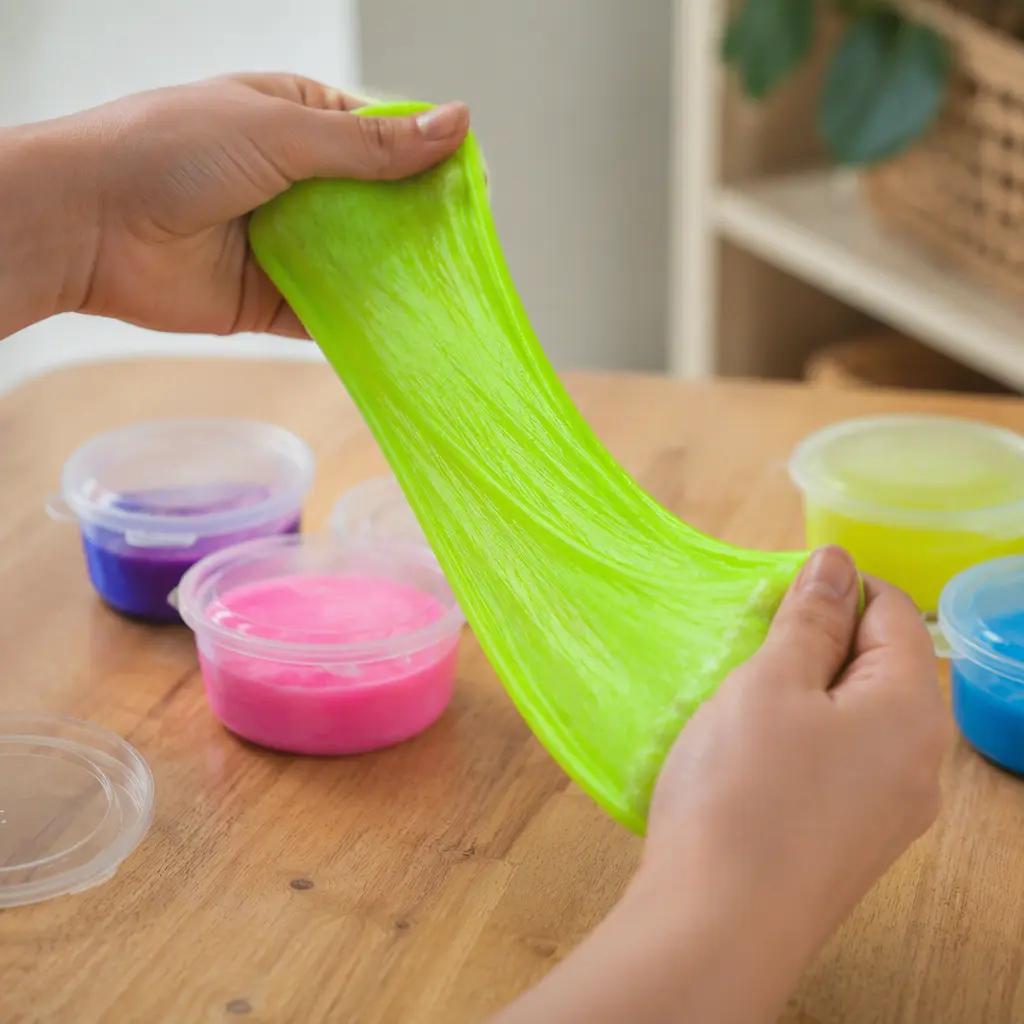
At its core, Gak was a soft polymer slime packaged for repeat handling. It stretched, snapped, sagged, bounced slightly, and made unusual noises depending on how it was squeezed. Earlier slime toys often leaned into horror themes or novelty chemistry, but Gak emphasized touch and experimentation instead. Kids compared textures, invented games, and discovered endless ways to poke, flatten, or drip the material across desks and kitchen tables. The toy became recognizable not because it had rules, but because it encouraged open-ended interaction.
Why it works
The appeal of Gak came from the way it constantly changed shape under pressure. Unlike action figures or board games, it had no fixed form and no final goal. Every handful behaved slightly differently depending on temperature, movement, and how long it had been stretched. That unpredictability turned simple handling into a sensory experience. The toy could feel relaxing one moment and chaotic the next, especially when kids experimented with mixing colors, trapping air bubbles, or testing how far it could stretch before tearing.
Another reason the toy endured was its balance between controlled and uncontrolled play. Gak felt rebellious because it looked messy and slightly forbidden, yet it came in sealed containers designed for repeated use. Parents often tolerated it because it kept children occupied through tactile experimentation, even if cleanup occasionally became part of the experience. Modern sensory toys follow a similar pattern, but Gak arrived before fidget products became a defined category.
- Stretchy texture that reacted differently depending on temperature and movement
- Bright colors and unusual sounds that encouraged experimentation
- Reusable storage containers that made repeat play easy
- Open-ended sensory play without rules or scoring
- A playful gross-out identity that matched 1990s television culture
Who it's for
Originally marketed toward school-age children, Gak appealed most strongly to kids who enjoyed tactile play and novelty toys. Younger children often liked the texture but needed supervision to avoid spreading it onto fabrics or carpets. Older kids treated it more like a collectible or prank item, swapping colors and comparing textures with friends. Adults who grew up in the 1990s now revisit slime toys largely through nostalgia, though sensory products have also found a wider audience among people looking for desk toys or calming tactile objects.
Variants and what to look for today
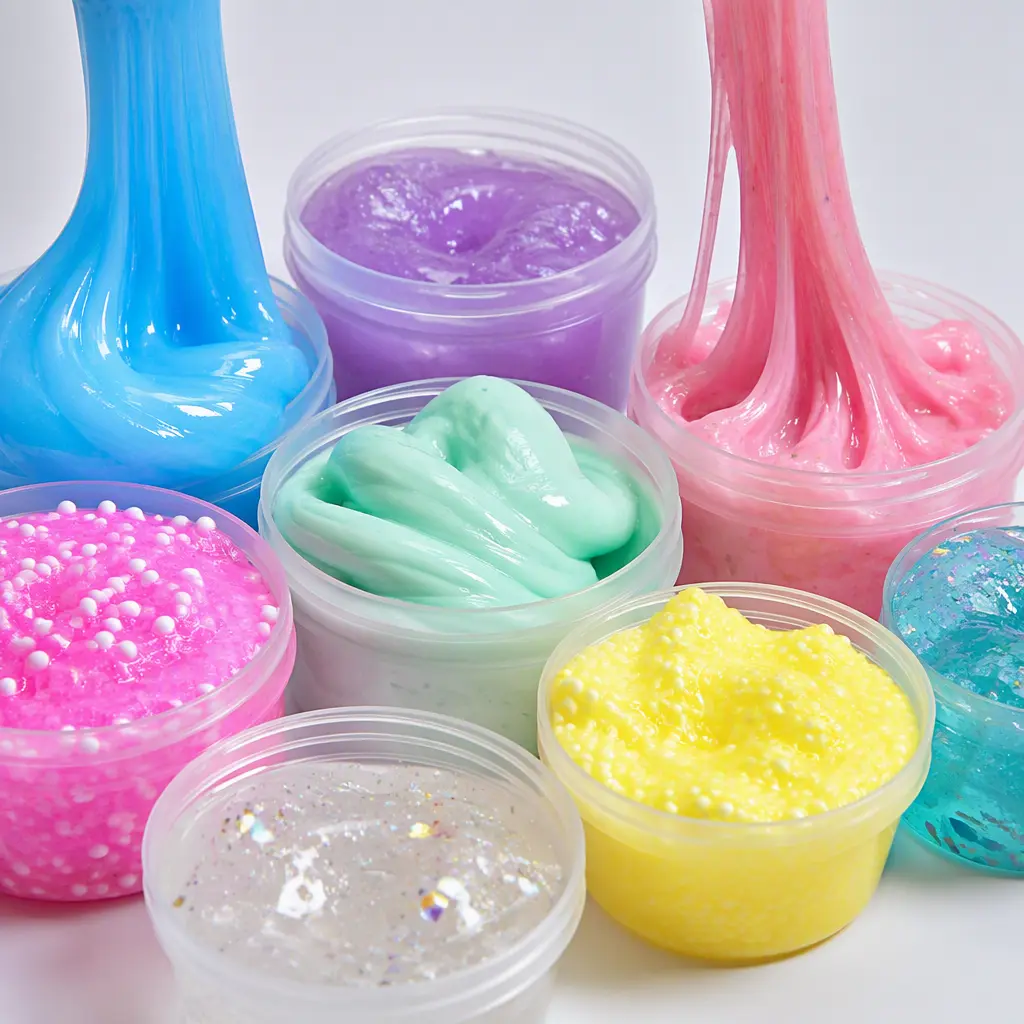
Modern slime products owe a clear debt to Gak, even when they use different formulas or branding. Today’s versions range from thick buttery compounds to transparent gel slimes filled with beads, foam pieces, or glitter. Some are designed for quieter handling, while others focus on exaggerated stretching or popping sounds. The original style of simple stretchy slime still exists, but many contemporary products add scents, color-shifting effects, or themed textures to stand out in a crowded market.
Collectors seeking vintage-era slime toys should expect changes in texture over time. Older compounds may dry out, separate, or lose elasticity after decades in storage. For everyday play, newer slime products are generally more practical and easier to replace. It is also worth paying attention to ingredient quality and packaging. Extremely cheap slime can leave residue, stain surfaces, or dry out quickly if containers do not seal properly.
- Classic stretchy slime remains the closest match to early 1990s versions
- Foam-filled and crunchy slimes emphasize sound and texture variation
- Scented slimes add novelty but may not appeal to every household
- Reusable airtight containers help prevent drying and contamination
- Avoid products with unclear ingredient labeling or strong chemical odors
Frequently asked questions
Was Gak the first slime toy?
No. Slime toys existed before Gak, including novelty goo products from earlier decades. What made Gak stand out was how strongly it connected sensory slime play with 1990s television culture and mainstream toy marketing.
Why did kids in the 1990s like slime so much?
Slime fit the era’s fascination with messy humor, interactive toys, and hands-on experimentation. It was inexpensive, highly tactile, and easy to share with friends, making it ideal for playground trends and after-school play.
Does vintage Gak still work?
Some sealed containers survive surprisingly well, but many older slime compounds dry out or change texture over time. Collectors often keep vintage examples for display rather than regular use.
Are modern slime toys safer than older ones?
Current products are generally made under stricter manufacturing and labeling standards, though quality varies widely between brands. Parents should still check age recommendations and supervise younger children during play.
More than thirty years after its debut, Gak remains a snapshot of a very specific toy era: loud, tactile, television-fueled, and proudly messy. It helped normalize sensory play long before slime videos and fidget toys became internet trends. Even now, the appeal is easy to understand. A stretchy blob of colorful slime does not need complicated rules or electronics to hold attention. The fun comes from touch, experimentation, and the slightly chaotic feeling that something ordinary has suddenly become weird.