Mattel ThingMaker: The toy workshop that made monsters at home
Mattel’s 1964 ThingMaker turned kitchen tables into miniature workshops, letting kids mold rubbery creatures with real heat. Its mix of creativity, chemistry, and risk still fascinates collectors.
Compare prices and availability
Check current prices and availability for this guide on eBay.
As an eBay Partner, we may be compensated if you make a purchase.
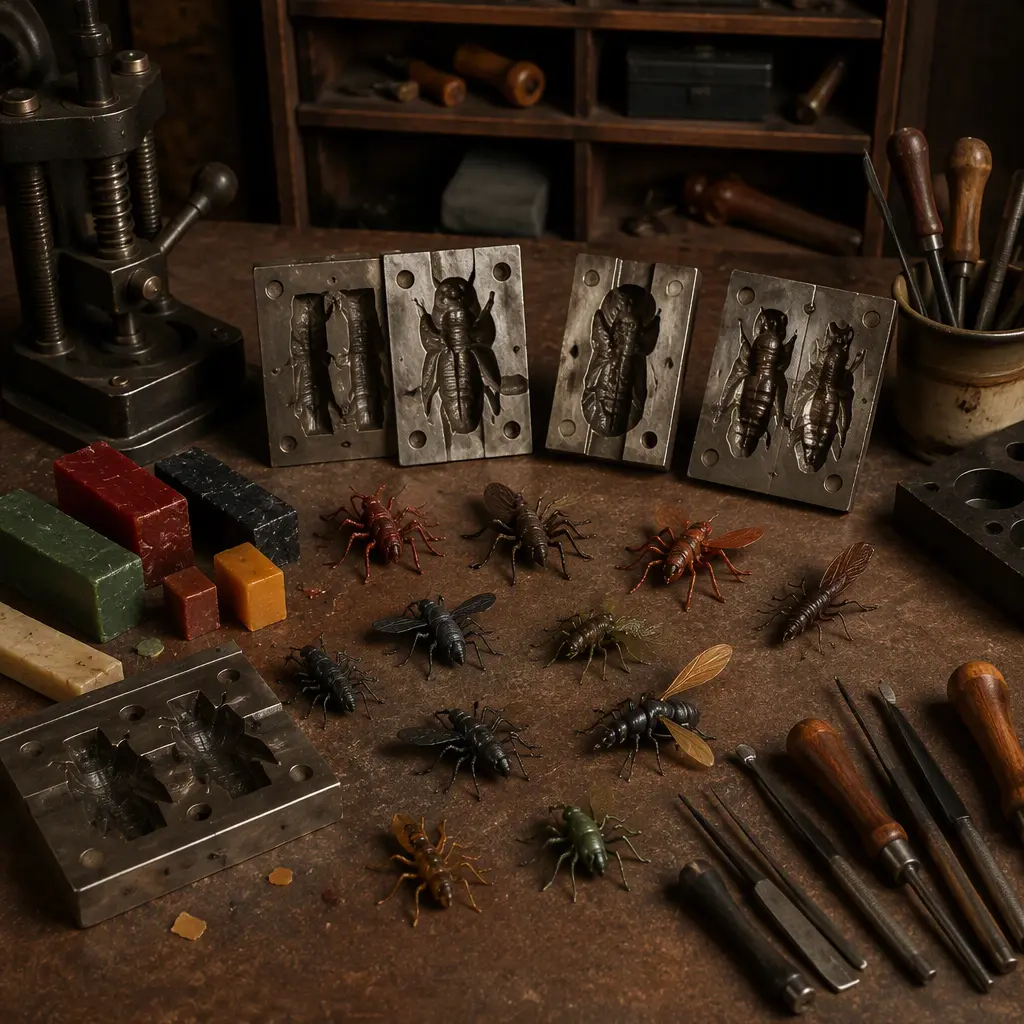
The Mattel ThingMaker occupies a strange and memorable corner of toy history. Introduced during the 1960s boom in home crafting and science-themed play, it gave children the chance to pour liquid material into metal molds, heat the molds in a small oven, and produce squishy insects, monsters, and other odd creations right at the kitchen table. It felt part toy, part laboratory, and part special-effects studio. For many children, the appeal was not just the finished product but the process itself: mixing colors, handling tools, and watching soft rubber creatures emerge from hot metal trays like miniature movie props.
Where it came from
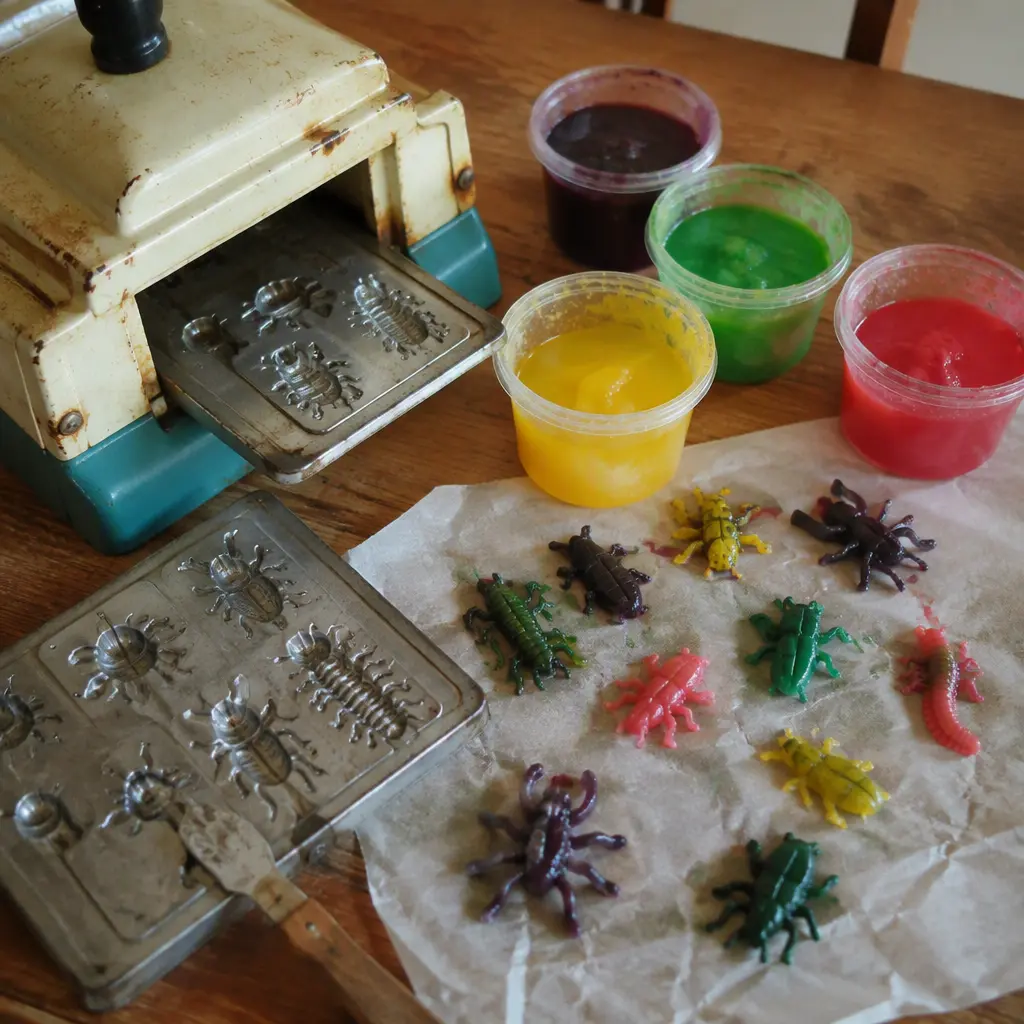
Mattel introduced the original ThingMaker in 1964, building on the popularity of hands-on hobby kits and home science sets. The toy’s best-known companion line was Creepy Crawlers, which used metal molds shaped like spiders, insects, reptiles, and fantasy creatures. Children poured a vinyl-like liquid compound into the molds and heated them in a compact electric oven. Once cooled, the finished shapes could be stretched, bounced, or traded with friends.
The system reflected a different era of toy design, one in which manufacturers were often willing to give children more direct control over tools and materials that would later be considered too hazardous for unsupervised play. The original ThingMaker used real heating elements and very hot molds. Burn injuries eventually became a concern for consumer safety advocates, and by the early 1970s the product line had largely disappeared. Even so, its influence survived. It helped establish the idea that toys could combine crafting, experimentation, and collectible results in one package.
Why it works
Part of the ThingMaker’s lasting appeal comes from how complete the experience felt. Children were not simply assembling parts from a kit. They were creating something from raw material and watching a transformation happen in real time. The process introduced patience and experimentation into play. Small changes in color mixing or mold filling could lead to different textures and appearances, giving each creation a slightly handmade feel.
The designs themselves also mattered. Creepy insects, fake reptiles, and goofy monsters fit neatly into the monster-movie culture of the 1960s and early 1970s. The resulting figures were flexible, durable, and a little gross in exactly the way children enjoyed. Unlike static display toys, these creations invited pranks, swapping, collecting, and repeated remaking.
- Hands-on molding and crafting instead of simple assembly
- Heat-based transformation that felt dramatic and scientific
- Flexible creature designs that encouraged collecting and trading
- Color mixing that rewarded experimentation
- A workshop-style setup that made children feel independent and skilled
Who it's for
The original ThingMaker was aimed primarily at older children who could carefully follow instructions and handle heated equipment responsibly. By modern standards, most vintage sets are better suited to supervised demonstration, collecting, or nostalgia-focused hobby use rather than casual play for young children. Adult collectors are often drawn to the toy because it represents a very specific moment in American toy manufacturing, when experimentation and risk were more openly built into mainstream products. Modern revivals and safer reinterpretations appeal to families interested in crafts, creature design, and retro toy history without the hazards of exposed heating elements.
Variants and what to look for today
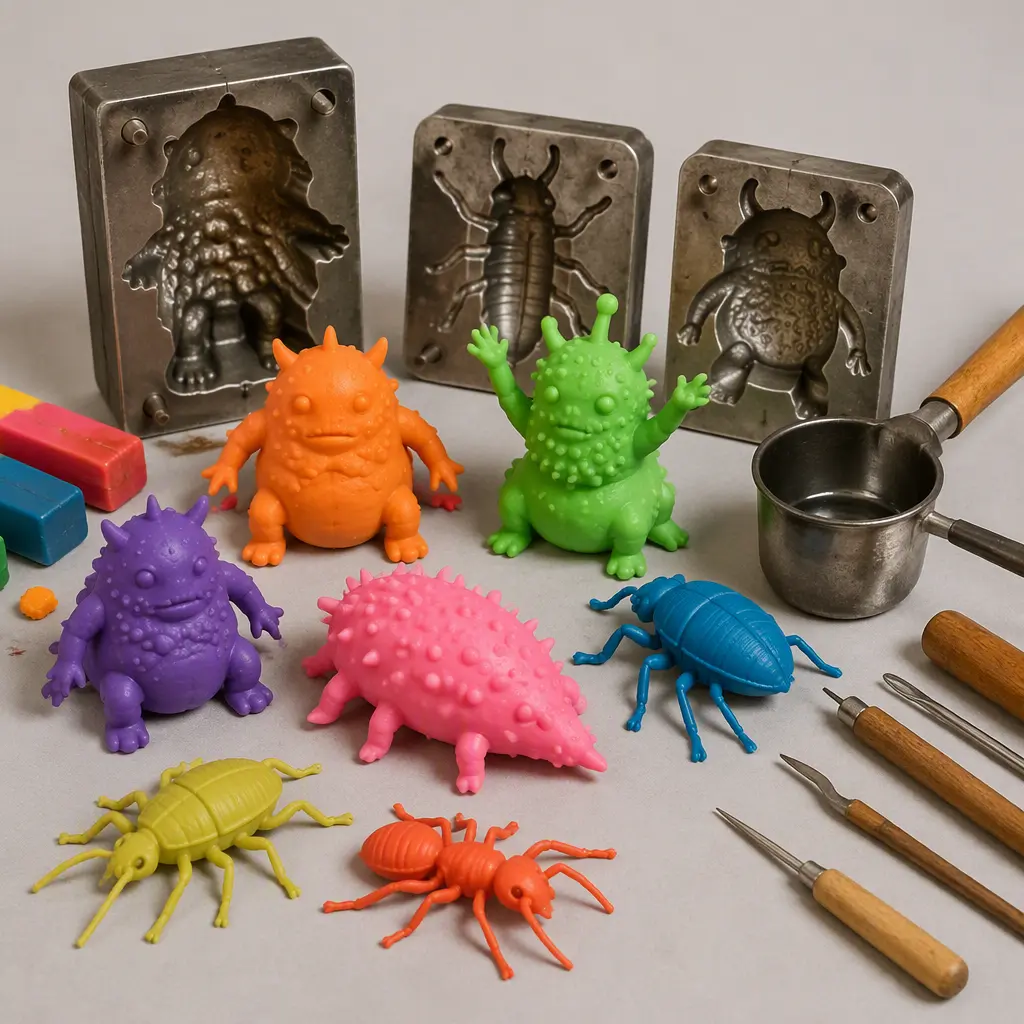
Although Creepy Crawlers became the most famous branch of the ThingMaker family, Mattel expanded the concept into several themed lines over the years. Some focused on fantasy creatures, while others experimented with flowers, vehicles, or novelty accessories. Different mold sets encouraged collecting and customization, turning the workshop into an expandable system rather than a one-time activity.
Collectors looking for vintage sets today often focus on condition and completeness. Original molds, heating units, tools, and packaging can be difficult to find together. Because many components were heavily used, rusted metal trays and hardened material residue are common. Some modern recreations replace heat-based systems with safer compounds or alternative crafting methods, making them more practical for younger users while preserving the spirit of creature-making play.
- Look for complete mold sets and intact accessories when buying vintage examples
- Check electrical parts carefully if considering an original heated unit
- Modern remakes are generally safer and easier to maintain
- Unbranded reproductions may use lower-quality materials or weak molds
- Collectors often value original artwork and instruction booklets as much as the toy itself
Frequently asked questions
Was the original ThingMaker really dangerous?
By modern standards, yes. The toy used heated metal molds and an electric oven capable of causing burns if handled carelessly. Safety expectations for children’s products were different during the 1960s, and concerns over injuries eventually contributed to the line’s decline.
What material did it use to make the creatures?
The classic sets used a liquid plastic compound that hardened into soft, flexible shapes after heating. The material created the rubbery texture that made Creepy Crawlers and related figures memorable.
Are modern versions the same as the originals?
Modern reinterpretations usually aim to capture the crafting experience without recreating the exact heating process. Many use safer materials, lower temperatures, or entirely different molding methods designed for current toy safety standards.
Why do collectors still care about ThingMaker sets?
The line represents a bold era of toy design when manufacturers experimented with chemistry, heat, and workshop-style play in ways that would be unlikely today. The combination of nostalgia, unusual mechanics, and memorable creature designs keeps interest high among collectors.
The Mattel ThingMaker remains one of the clearest examples of how adventurous toy design once was. It blended crafting, experimentation, and monster-making into an experience that felt unusually hands-on for a mass-market product. Even decades later, its mixture of creativity and risk still stands out, both as a nostalgic favorite and as a snapshot of a very different approach to children’s play.