Pixobitz: The water-fuse craft built for the pixel-art era
Pixobitz turned tiny water-fuse cubes into a social-media-ready craft trend, blending pixel art, collectible design, and simple no-heat assembly for a new generation of makers.
Compare prices and availability
Check current prices and availability for this guide on eBay.
As an eBay Partner, we may be compensated if you make a purchase.
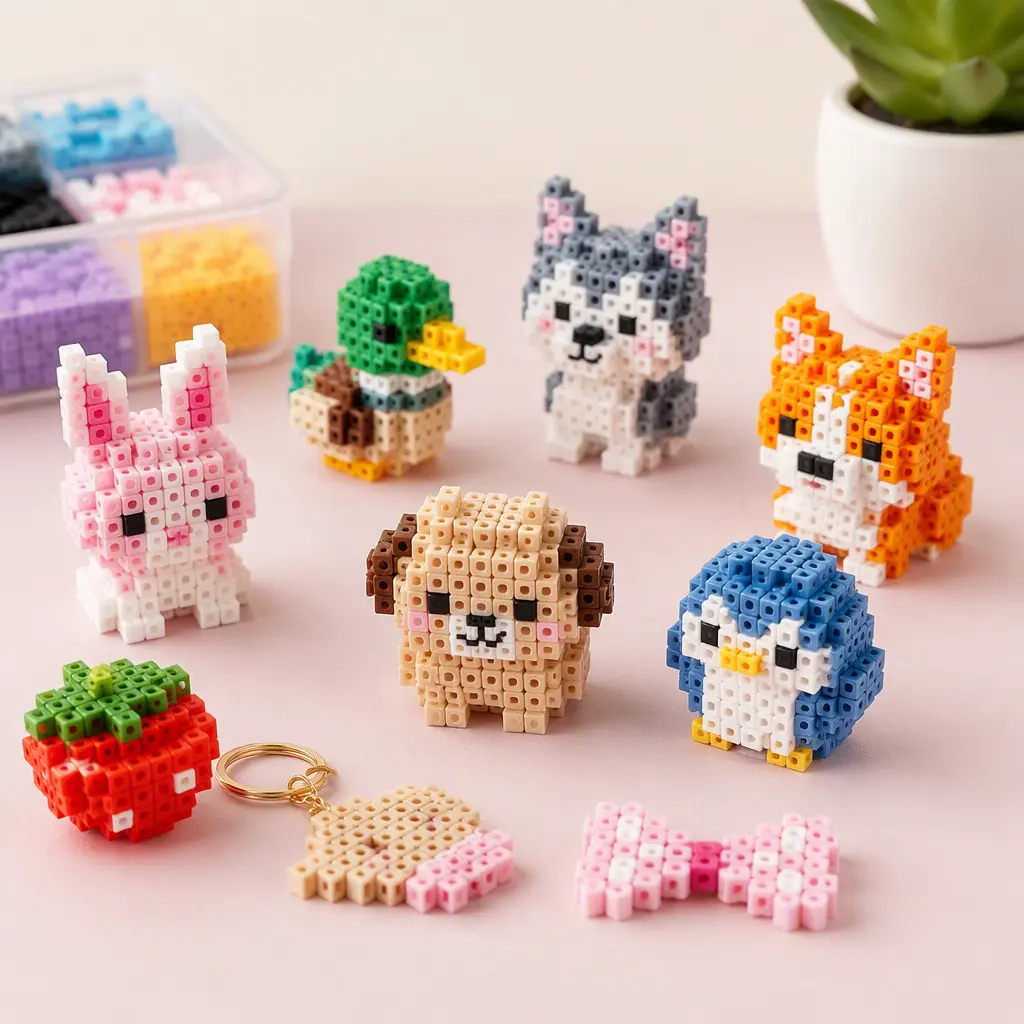
Pixobitz arrived at a moment when pixel art had already become part of everyday visual culture. Video games, retro graphics, emoji-style design, and social media craft videos all helped prepare the ground for a toy built around tiny cubes and simple patterns. Released in 2021, the craft line took the familiar idea of bead-based construction and updated it with a softer, more collectible look aimed at kids who wanted projects that could move quickly from tabletop activity to room décor or backpack charm. Instead of ironing beads together with heat, Pixobitz used water to fuse small cube pieces, making the process more approachable for younger makers and less stressful for parents supervising craft time.
Where it came from
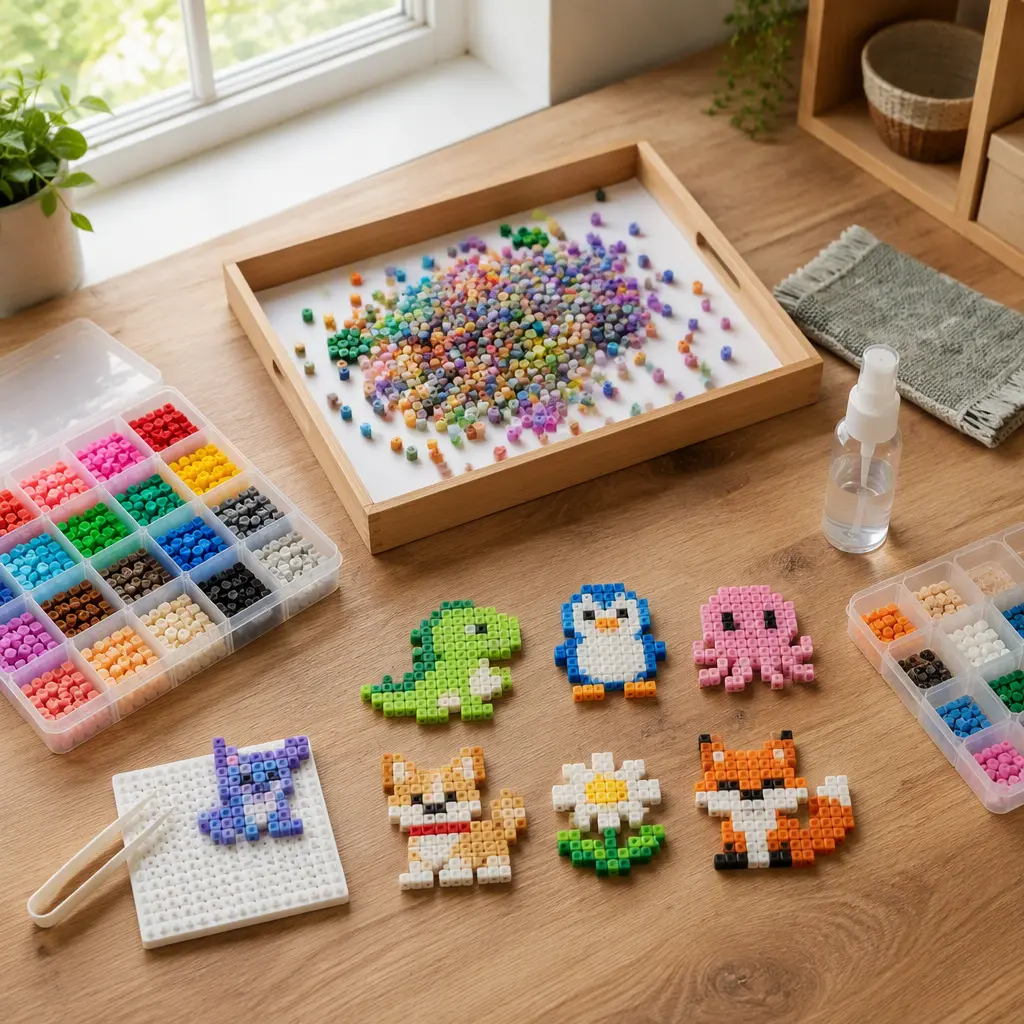
Pixobitz was introduced during a period when craft toys were increasingly designed with both physical play and online sharing in mind. The concept combined elements from older bead-fusing crafts, mosaic art, and digital pixel aesthetics, but it simplified the assembly process in a way that felt contemporary. Rather than depending on ironing or permanent heat tools, the toy used water activation to bind the tiny cubes together after they were placed on a tray pattern. That made setup easier and helped position the line as a more accessible craft activity for family spaces.
The timing mattered. By the early 2020s, children were already familiar with blocky game visuals, sticker-style collectibles, and short-form crafting videos. Pixobitz leaned into that visual language without requiring advanced artistic skill. Most sets centered on small decorative builds such as animals, accessories, mini room décor, or wearable items. The activity balanced structure and creativity: users could follow templates closely or experiment with custom designs once they understood the system. That flexibility helped the line stand out in a crowded arts-and-crafts aisle.
Why it works
Part of the appeal comes from the scale and speed of the projects. Traditional bead crafts can feel repetitive or require careful heat application at the end, but Pixobitz projects were intentionally sized for shorter attention spans and faster results. The cubes click visually into recognizable shapes almost immediately, giving children a sense of progress early in the activity. Once sprayed with water and left to set, the finished pieces become decorative objects that feel more durable than paper crafts while still carrying a handmade look.
The design also taps into the satisfaction of modular construction. Every tiny cube acts like a digital pixel brought into the physical world. Kids who enjoy organizing, sorting colors, or following patterns often connect strongly with this kind of activity. At the same time, the collectible presentation of many sets encouraged display and personalization rather than purely one-time use.
- Water-fuse assembly avoids heated ironing tools
- Cube pieces create a clear pixel-art appearance
- Projects are usually compact and quick to complete
- Pattern guides help beginners start confidently
- Finished builds can be used as decorations or accessories
Who it's for
Pixobitz mainly targets school-age children who enjoy hands-on creativity but may not have the patience for longer craft kits. The process rewards focus and fine motor control without becoming highly technical. Younger children often need help organizing the tiny pieces, while older kids tend to enjoy customizing designs or mixing colors across sets. Adults are not excluded from the appeal either. The toy family connects naturally with nostalgia for retro game graphics and modern desk-toy culture, making it a light, low-pressure craft option for teens and adults who enjoy casual creative hobbies.
Variants and what to look for today
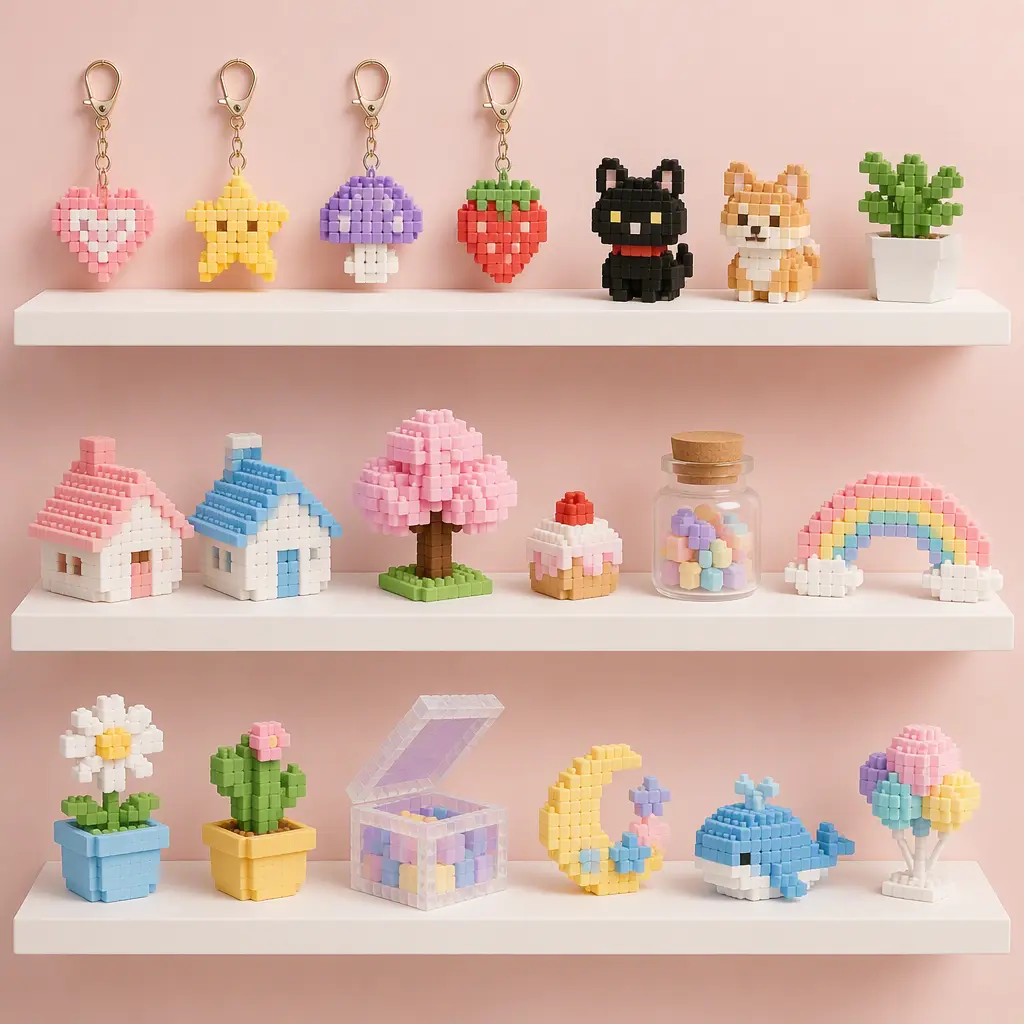
Most Pixobitz products revolve around themed craft sets, refill packs, or collections built around specific styles such as animals, accessories, decorative objects, or wearable crafts. Some sets focus heavily on guided patterns, while others provide broader color assortments intended for freestyle design. Buyers looking at the toy today will notice that storage and organization matter almost as much as the craft itself. Kits with sorting trays and reusable work surfaces tend to create a smoother experience, especially for younger users.
As with many craft trends, there are also generic cube-bead alternatives available from different brands. Some are perfectly usable, while others vary in consistency or bonding strength. It is usually worth checking whether replacement cubes fit properly with the trays and whether the finished projects hold together after drying. Since the cubes are very small, parents should also think about cleanup and storage before opening a large set.
- Starter kits are useful for first-time users because they include trays and tools
- Refill assortments are helpful once children begin creating original patterns
- Compact travel-friendly sets work well for short craft sessions
- Storage containers make a noticeable difference during cleanup
- Very low-quality cube alternatives may not fuse evenly with water
Frequently asked questions
Does Pixobitz require heat to work?
No. The main distinction of the system is that the cubes fuse together with water rather than ironing. After the design is sprayed, the project needs time to dry and set before handling.
Is Pixobitz more like a toy or a craft?
It sits between the two categories. The activity is fundamentally a craft project, but the collectible designs, display pieces, and customizable accessories give it some of the appeal of a traditional toy line.
Can children create their own patterns?
Yes. Many users begin with guided templates and later move into original designs. The pixel-style format makes it relatively easy to sketch custom ideas on graph paper or adapt digital pixel-art concepts into physical builds.
How durable are the finished pieces?
The finished crafts are generally sturdy enough for light display or accessory use, but they are still handmade creations rather than hard plastic figures. Rough handling or repeated bending can weaken some designs over time.
Pixobitz reflects a larger shift in modern toy design, where creativity, customization, and visual sharing all blend together. Its water-fuse approach lowered some of the barriers that kept traditional bead crafts from feeling approachable to younger audiences, while the pixel-art styling connected naturally with contemporary digital culture. Whether used for guided projects or original creations, the toy family succeeded by making small-scale crafting feel fast, expressive, and easy to display once the work was done.