Stikbot Studio and the Rise of Kid-Made Stop-Motion
Stikbot Studio turned simple poseable figures into a gateway for stop-motion filmmaking, giving kids an easy way to experiment with animation, storytelling, and hands-on creativity.
Compare prices and availability
Check current prices and availability for this guide on eBay.
As an eBay Partner, we may be compensated if you make a purchase.
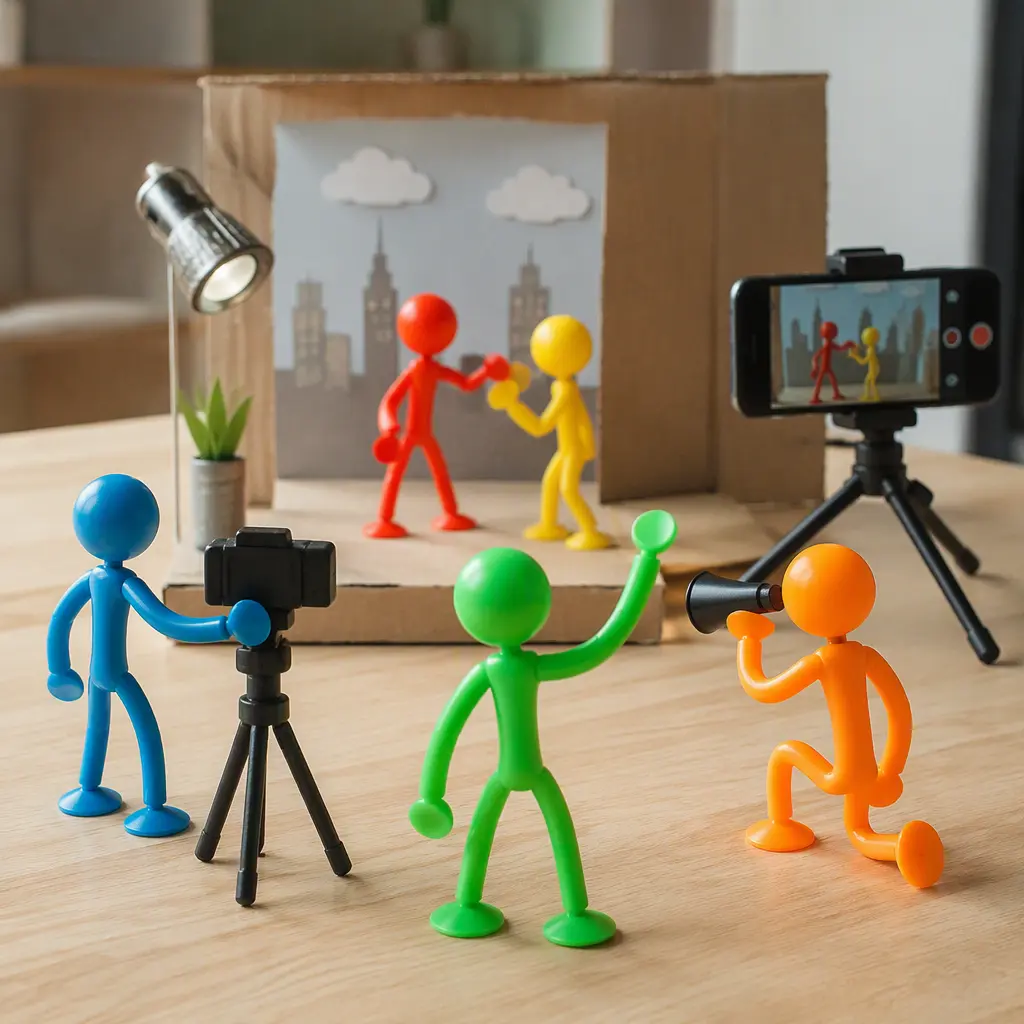
Some toys are built around collecting, others around competition, but Stikbot Studio found its audience by turning kids into filmmakers. Introduced during the smartphone-video boom of the mid-2010s, the toy line combined flexible poseable figures with simple stop-motion tools and a beginner-friendly app. The result was part action figure, part craft project, and part media-production kit. For many children, it became an accessible first step into animation, editing, and visual storytelling without needing expensive software or complicated equipment.
Where it came from
Stikbot Studio arrived in 2015 during a period when short-form video creation was becoming a normal part of childhood play. Smartphones and tablets had made cameras widely available, but stop-motion animation still felt difficult for beginners. The toy’s creators simplified the process by pairing lightweight articulated figures with suction-cup hands and feet that could hold poses on smooth surfaces. Instead of needing expensive animation rigs or clay models, kids could move a character little by little and capture each frame with a mobile device.
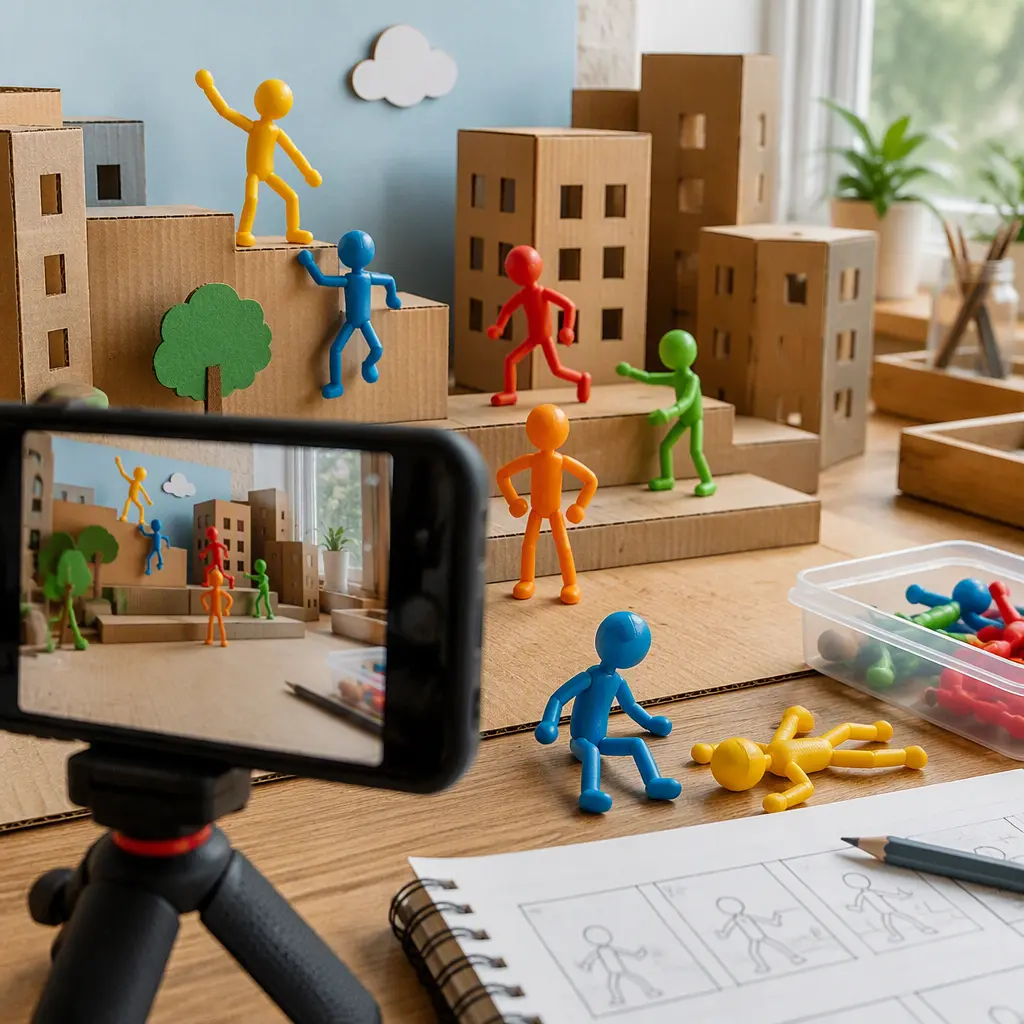
The toy line quickly expanded beyond the original figures into themed playsets, pets, monsters, and larger environments designed specifically for homemade movies. What separated Stikbot from many other collectible toy lines was its focus on creation rather than ownership alone. The figures were intentionally simple in appearance, almost like blank performers waiting for a script. That simplicity encouraged improvisation. A kitchen counter could become a spaceship bridge, a bedroom floor could become a race track, and a stack of books could become a city skyline.
Why it works
The key to Stikbot’s appeal is that it lowers the barrier to entry for animation. Traditional stop-motion can be frustrating because characters tip over, scenes shift, and tiny movements ruin continuity. The suction-cup design solved some of those problems in a playful way. Kids could stick figures to windows, tabletops, or smooth boards and make them appear to climb walls, jump through the air, or freeze mid-action between frames.
The figures themselves are intentionally uncomplicated, with bright colors and flexible joints that are easy for younger hands to reposition repeatedly. That design choice matters because stop-motion depends on patience and repetition. A toy that is too fragile or too detailed becomes difficult to animate. Stikbot figures balance sturdiness with flexibility, allowing kids to focus on storytelling rather than technical setup. The companion app also helped by automating frame capture and playback, giving children quick visual feedback and encouraging experimentation.
- Flexible joints allow exaggerated poses and repeated repositioning
- Suction-cup hands and feet help stabilize figures during filming
- Simple designs encourage open-ended storytelling
- Works with homemade sets, craft materials, and household objects
- Combines physical play with digital creativity and editing skills
Who it's for
Stikbot Studio is generally aimed at school-age children who are ready for more structured creative projects, though younger kids often enjoy posing the figures even without filming. The toy particularly appeals to children interested in video creation, comics, or storytelling because it gives them a hands-on way to build scenes and direct action. Parents and educators have also used stop-motion kits as low-pressure introductions to animation concepts, sequencing, and basic filmmaking. Adults sometimes collect or use the figures too, especially hobby animators looking for quick practice tools or simple desk toys that invite experimentation.
Variants and what to look for today
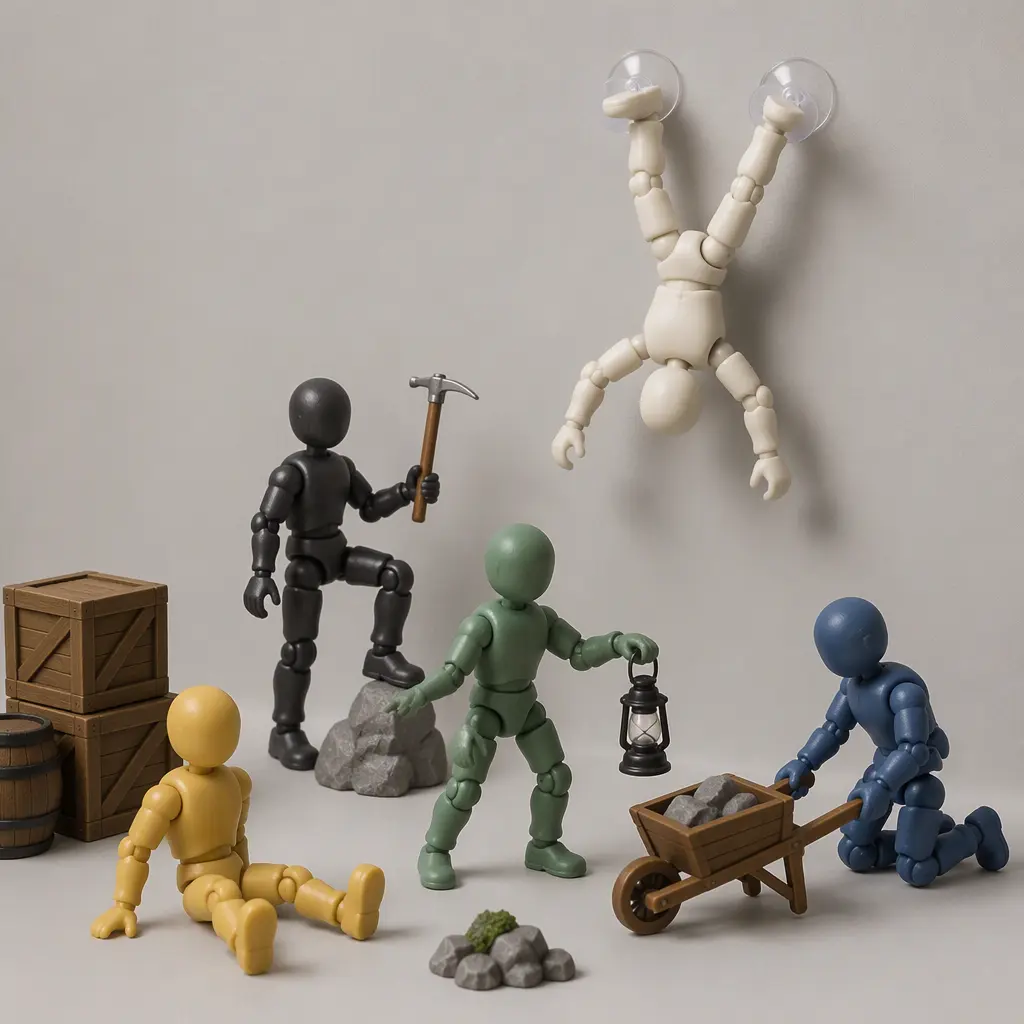
Over time, the Stikbot line expanded into themed character packs, creature designs, pets, and larger scene kits intended to support different genres of storytelling. Some sets lean toward comedy and everyday adventures, while others focus on fantasy, monsters, or action-style scenes. The broad range makes it easy for kids to mix styles and invent crossover stories rather than following a strict fictional universe.
When shopping today, it helps to focus less on rarity and more on usability. Flexible joints and reliable suction cups matter more than elaborate accessories because animation depends on repeated movement. Figures that cannot hold a pose become frustrating quickly. Many families also discover that homemade backgrounds and inexpensive craft supplies add more creative value than heavily branded sets. Generic imitation figures exist as well, and quality can vary widely, especially around joint durability and stability.
- Starter animation kits are useful for beginners learning frame-by-frame movement
- Larger playsets work best for children who enjoy building scenes and environments
- Extra figures help group storytelling and action sequences feel more dynamic
- Storage trays or divided containers can prevent small props from getting lost
- Look for smooth-moving joints and strong suction cups before buying secondhand
Frequently asked questions
Do you need the app to use Stikbot figures?
No. The figures can be played with like ordinary poseable toys, but the stop-motion app makes animation easier by helping users capture and preview frame sequences.
Why do the figures have suction cups?
The suction cups help stabilize poses during filming. They allow characters to stand on smooth surfaces or appear suspended during action scenes, which is especially useful in stop-motion animation.
Is stop-motion too difficult for younger kids?
Younger children may need help with patience and camera setup, but the basic concept is approachable. Many kids enjoy making very short clips before moving on to more detailed stories and editing.
Can Stikbot toys help teach creative skills?
They often encourage planning, sequencing, storytelling, and problem-solving. Children experiment with pacing, visual composition, and movement while building their own miniature productions.
Stikbot Studio succeeded because it arrived at the right moment, when children wanted to create media instead of only consuming it. The toy line translated stop-motion from a niche hobby into something immediate and playful, using simple materials and approachable technology. Even years after its introduction, the appeal remains easy to understand: a handful of bendable figures, a camera, and a little patience can turn an ordinary tabletop into a movie set.