Taba-Licious Slime and the Rise of Collectible Texture Play
Taba-Licious Slime helped push slime from a simple DIY craft into a curated collectible hobby, blending texture design, scent themes, and social media appeal for kids and adults alike.
Compare prices and availability
Check current prices and availability for this guide on eBay.
As an eBay Partner, we may be compensated if you make a purchase.
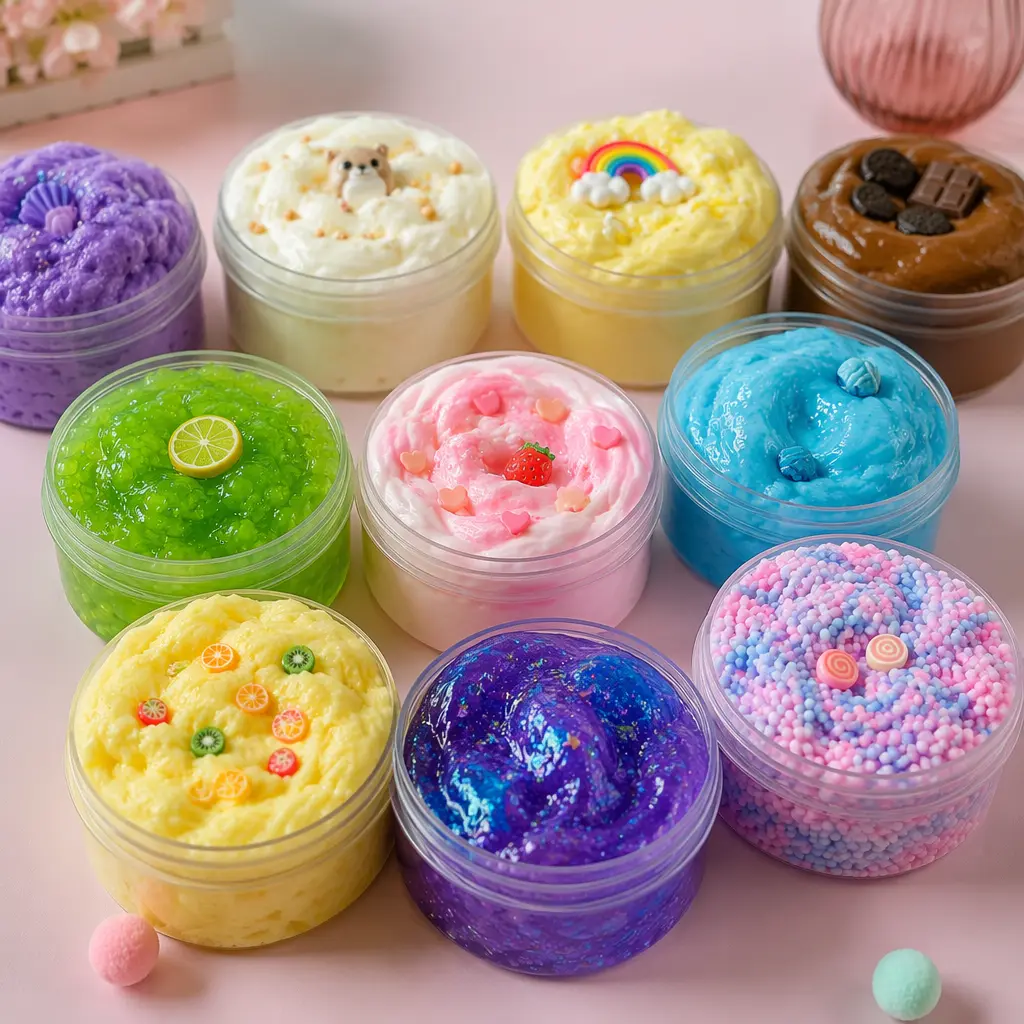
For years, slime was mostly known as a messy kitchen-table experiment made from glue and activator. Then a wave of premium slime creators changed the category entirely. Brands such as Taba-Licious Slime helped turn texture play into something closer to a collectible craft hobby, where fans discuss crunch levels, scent combinations, mix-ins, and visual themes with the same enthusiasm once reserved for trading cards or designer toys. The appeal goes beyond novelty. Modern slime culture blends sensory play, creativity, and social sharing into a format that attracts kids, teens, and adults looking for a hands-on break from screens.
Where it came from
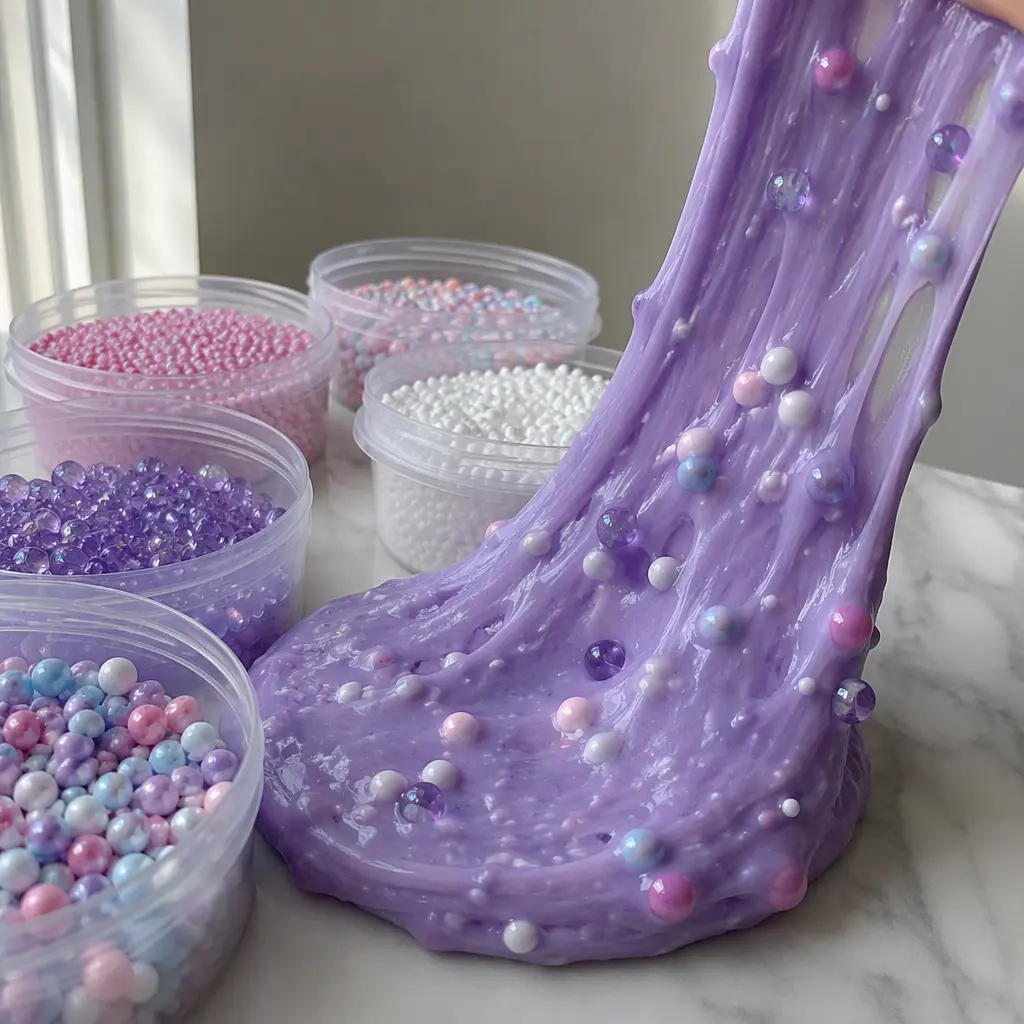
Taba-Licious Slime emerged during the early 2020s, a period when independent slime makers were finding large audiences through short-form video platforms and online craft marketplaces. While homemade slime itself dates back decades, the contemporary slime boom transformed the idea from a casual science activity into a carefully branded experience. Sellers focused on themes, scents, textures, and packaging in ways that made each release feel curated and collectible.
The premium slime movement grew partly because online video proved unusually effective at demonstrating texture. Stretching, folding, poking, and mixing slime creates distinct sounds and visuals that translate well to social media. Brands like Taba-Licious Slime leaned into that sensory presentation, often offering themed collections with different tactile effects such as buttery, crunchy, icy, fluffy, or jelly-like finishes. Instead of one standard product, slime became a broad creative category with its own vocabulary and fan culture.
Why it works
The core appeal of slime is tactile feedback. Good slime changes shape slowly, resists movement slightly, and responds differently depending on its ingredients. That combination makes it both playful and calming for many users. Premium slime brands elevated the experience by focusing on consistency and variation. A dense butter slime feels entirely different from a bead-filled crunch slime or a clear gel slime packed with glitter. The experience becomes partly about collecting textures and partly about experimenting with them.
Presentation also matters. Many contemporary slime makers treat each batch almost like a small craft kit, including charms, clay toppers, foam beads, glitter, or scented elements that users mix together themselves. That interactive assembly creates a sense of ownership and discovery. Some people enjoy preserving slimes in pristine condition, while others remix textures repeatedly to create entirely new combinations.
- Wide variety of tactile textures from glossy to crunchy
- Custom scents and visual themes that encourage collecting
- Mix-ins such as beads, foam pieces, glitter, or soft clay
- Compact containers that are easy to store and trade
- Strong social and video-sharing community around texture demonstrations
Who it's for
Slime has broad appeal, although younger children usually need supervision because some varieties include small decorative pieces. School-age kids often enjoy the imaginative and sensory side of slime, while teens may be drawn to collecting themed releases and following creators online. Adults have also become a notable part of the audience, especially people interested in stress-relief desk toys, crafting hobbies, or sensory objects. Premium slime brands tend to attract collectors who appreciate texture quality and presentation rather than simply looking for a one-time novelty toy.
Variants and what to look for today
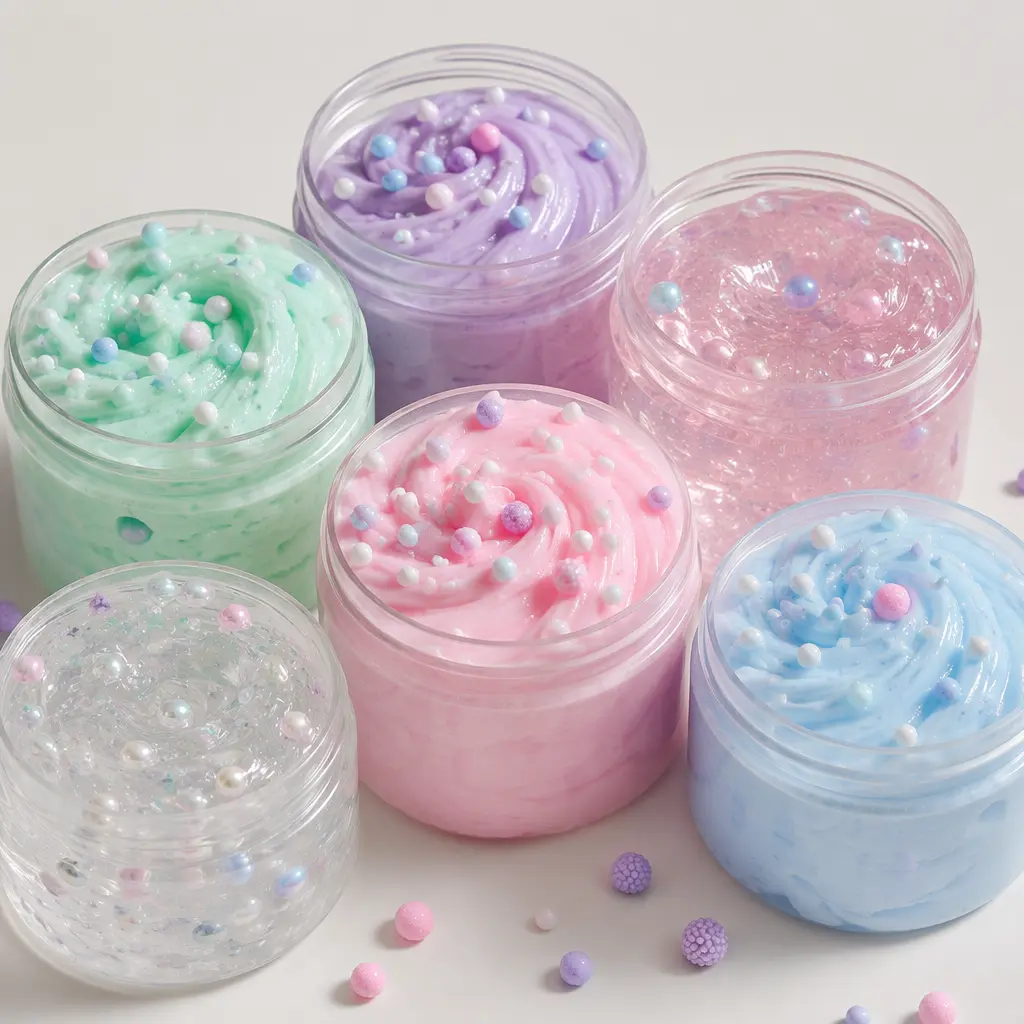
Modern slime shops typically organize products by texture type rather than only by color or theme. Clear slimes are smooth and stretchy, butter slimes feel soft and spreadable, while foam or bead-filled slimes emphasize crunch and sound. Some products arrive partially assembled so users can combine components themselves. Seasonal themes and food-inspired scents are also common across the category.
If you are shopping today, texture quality and freshness matter more than flashy packaging. A well-made slime should stretch smoothly without instantly tearing or separating. Reliable sellers usually provide care instructions because slime naturally changes over time with temperature and use. Generic low-cost slimes can sometimes feel overly sticky, rubbery, or heavily scented. Storage is another factor worth considering. Airtight containers help maintain consistency and reduce drying.
- Look for clearly described texture types and ingredients
- Check whether decorative add-ins are removable or permanently mixed
- Consider scent sensitivity before buying strongly fragranced slimes
- Choose airtight containers for longer-lasting texture
- Avoid products with poor sealing or leaking during shipping
Frequently asked questions
Why did slime become collectible?
Collectors are often drawn to the variety of textures, scents, colors, and themes available from modern slime brands. Limited production batches and seasonal releases also encourage hobby-style collecting and trading.
Is premium slime different from homemade slime?
Premium slime makers usually focus on refined texture consistency, stronger visual presentation, and specialized add-ins. Homemade slime can still be fun, but dedicated brands often experiment with ingredients and techniques to achieve more distinct tactile effects.
How long does slime last?
Most slime lasts weeks or months if stored properly in a sealed container and kept away from heat or dirt. Over time, texture may change naturally, but activator solutions can sometimes restore overly sticky slime.
Are slime products mainly for children?
Not anymore. While children remain a major audience, many contemporary slime fans are teens and adults who enjoy sensory hobbies, desk toys, crafting culture, or collecting themed releases from favorite creators.
Taba-Licious Slime reflects a broader shift in how toys and crafts are marketed today. What began as a simple tactile activity evolved into a creative subculture built around texture, presentation, and online community. The modern slime scene combines sensory play with the collecting instincts once associated with cards, figures, or miniatures. For many fans, the appeal is less about owning a single slime and more about exploring an endless range of textures and themes that keep changing with each new release.